Lamb
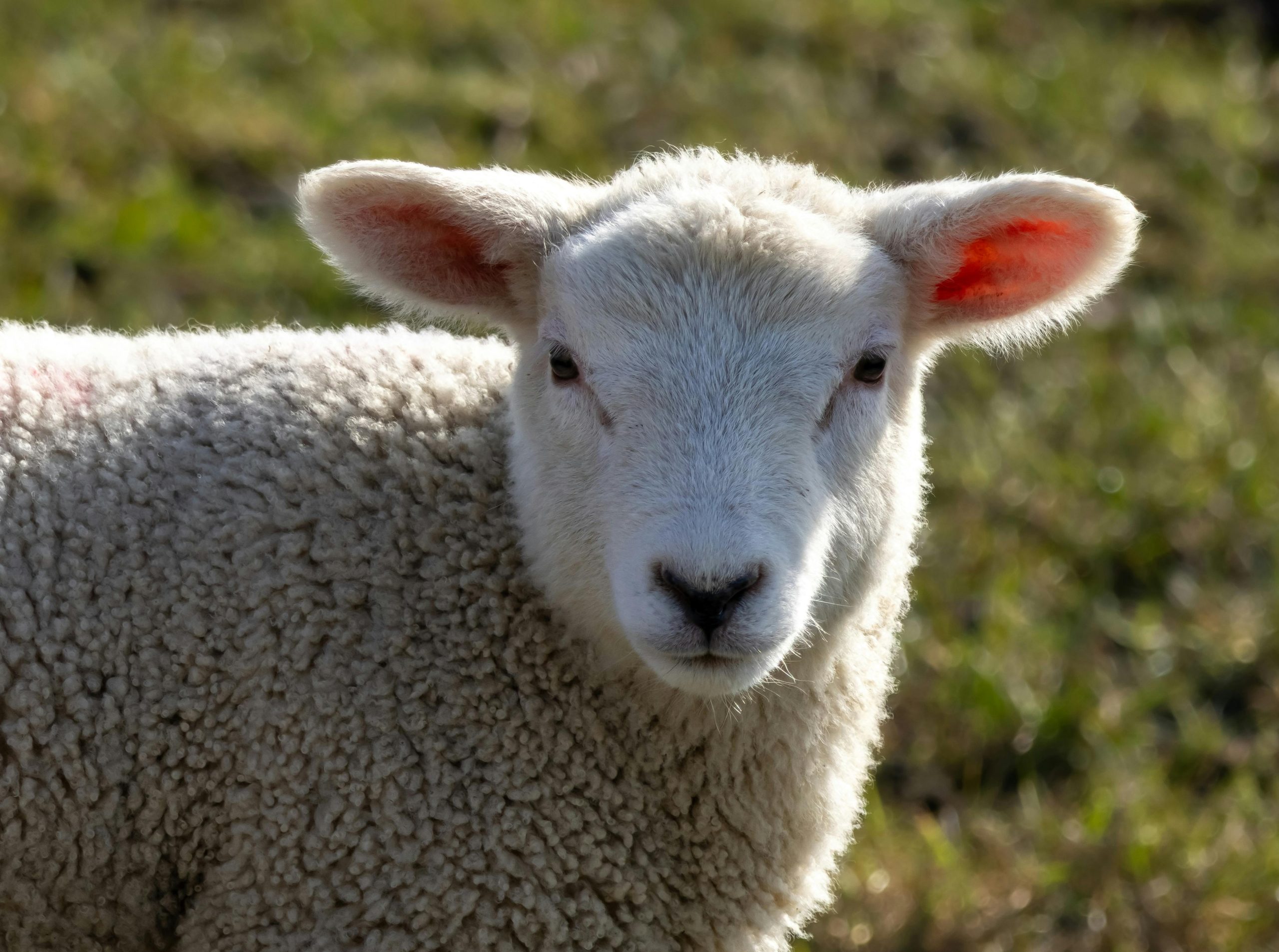
Lamb Meat (young sheep) is less common than goat meat (mutton/khasi), often referred to as Bheda ko Masu in Nepal, is a popular, high-protein meat enjoyed for its rich flavor and tenderness, Many Lambs graze on natural herbs in high-altitude regions like Jumla or Mustang, ensuring high-quality, organic, and antibiotic-free meat.
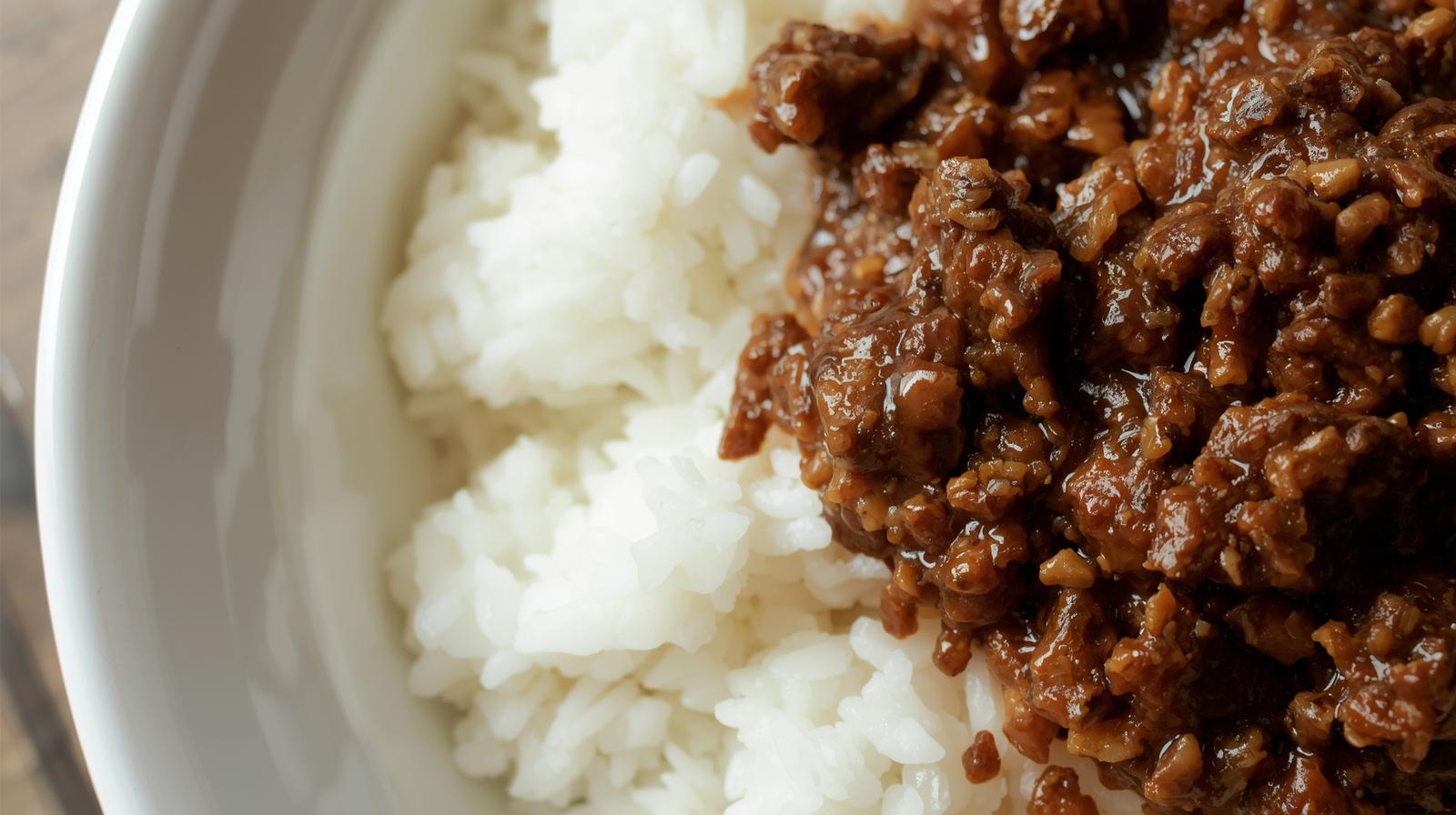
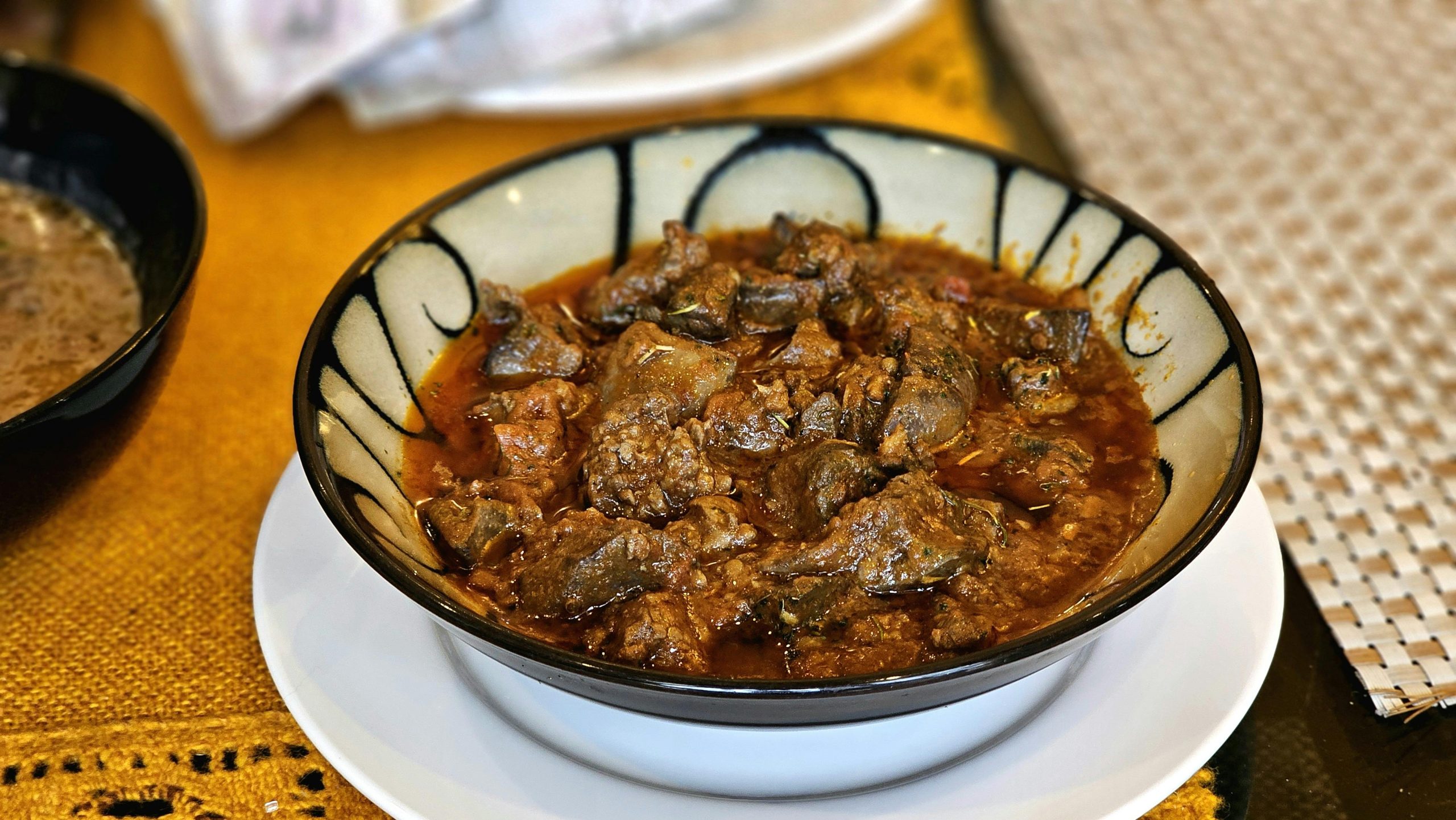
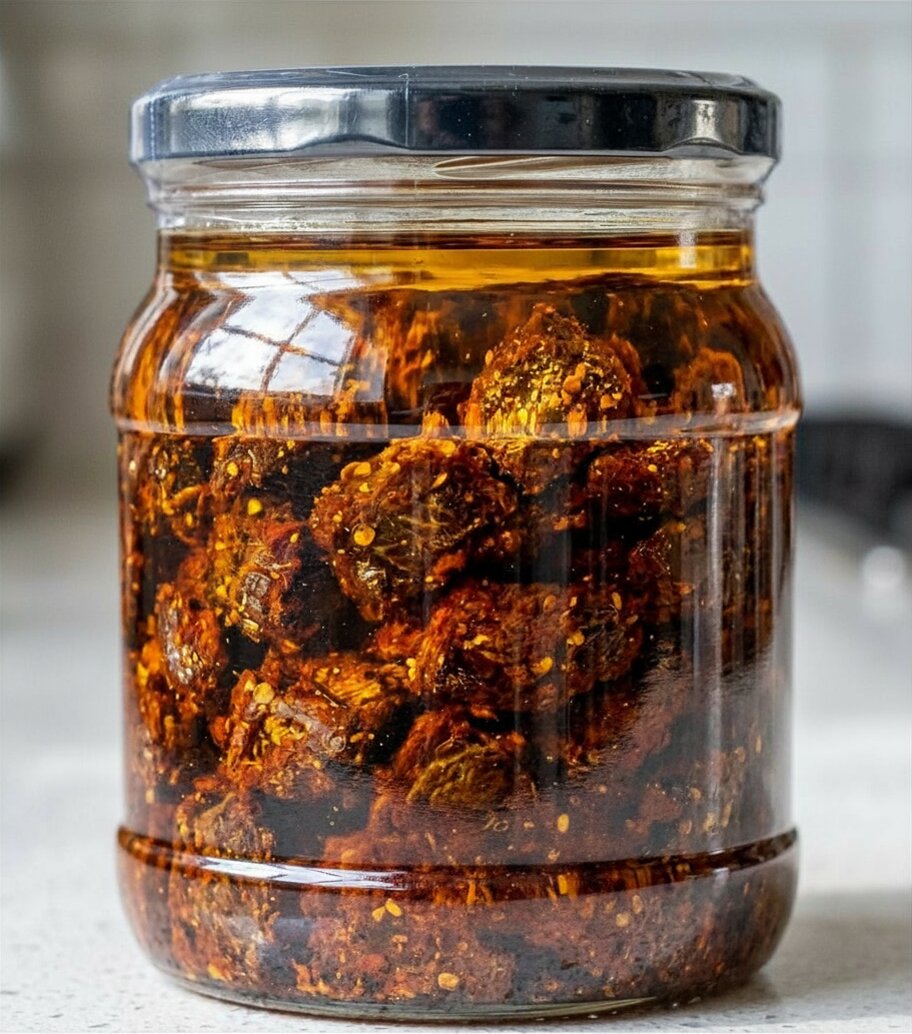
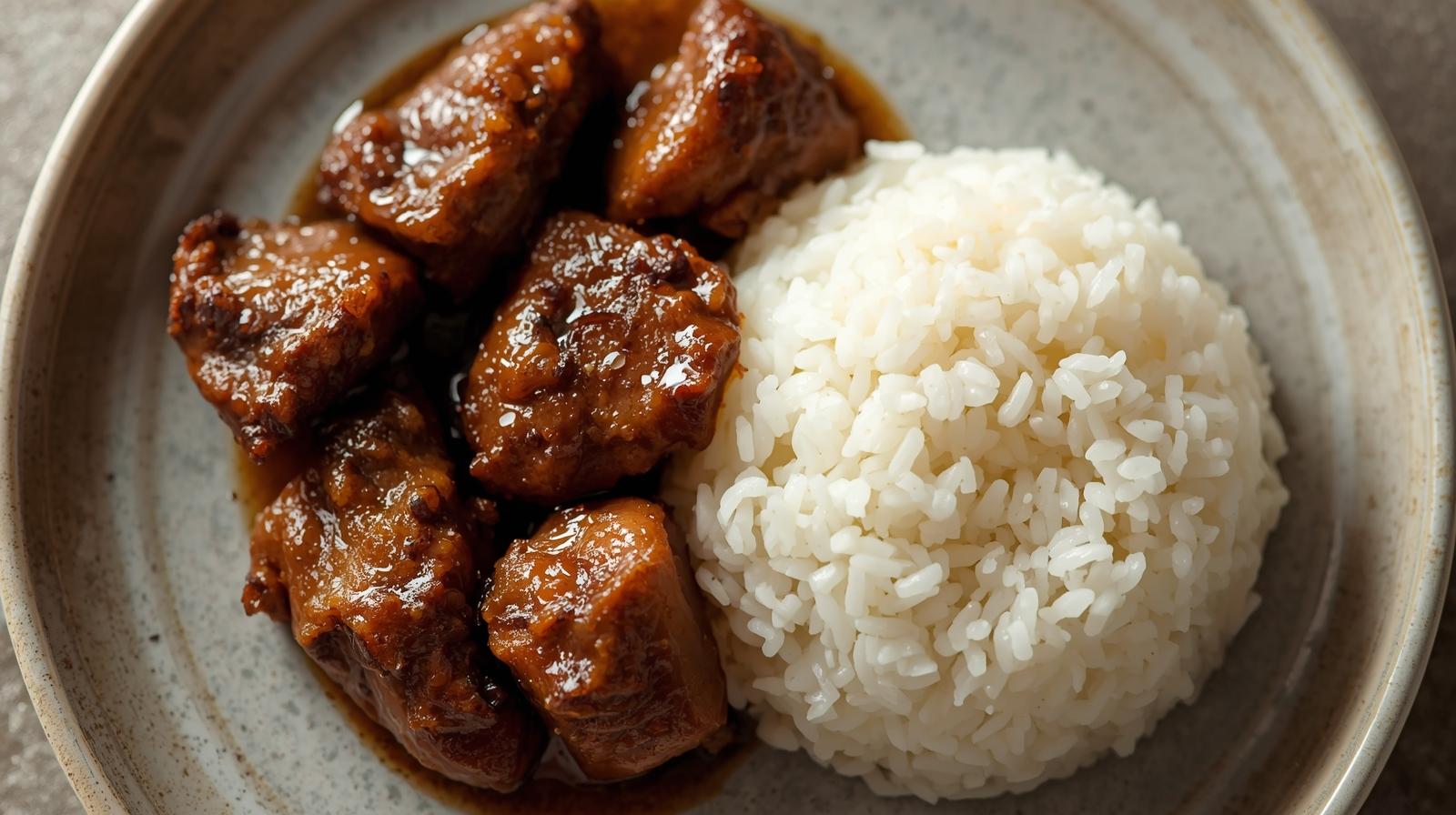
Commonly cooked in spicy curries or fried dishes : Lamb Curry, Lamb Pakuwa, Gorkhali Lamb Cutlets, Spinach Lamb Tarkari.
Lamb Meat is a highly nutritious red meat, packed with high-quality protein, iron, zinc, and Vitamin B12, supporting muscle growth, immune function, and energy metabolism. It is particularly rich in iron and CLA (conjugated linoleic acid), aiding in preventing anemia and potentially reducing body fat.
The key benefits of Lamb Meat include:
- High-Quality Protein: Lamb contains all nine essential amino acids, making it a “complete” protein crucial for building and repairing muscle tissue and supporting recovery after surgery or intense exercise,
- Rich in Iron: As a red meat, lamb is an excellent source of heme iron, which is absorbed more efficiently by the body than plant-based non-heme iron, helping to prevent iron deficiency and anemia,
- Immune System & Metabolism Support: High in zinc and B12, supporting immune health, cognitive function, and energy levels,
- Antioxidant Properties: Lamb is a significant source of selenium, which acts as a protective factor against oxidative stress,
- Bone Health: Supports the growth and maintenance of children’s bones,
- Healthy Fats (CLA): Contains Conjugated Linoleic Acid (CLA), which has been linked to improved fat loss and cardiovascular health,
- Energy Production: Rich in nutrients like niacin and riboflavin that help convert food into energy.
Where is it used?