Meat, Poultry, Fish Ingredients
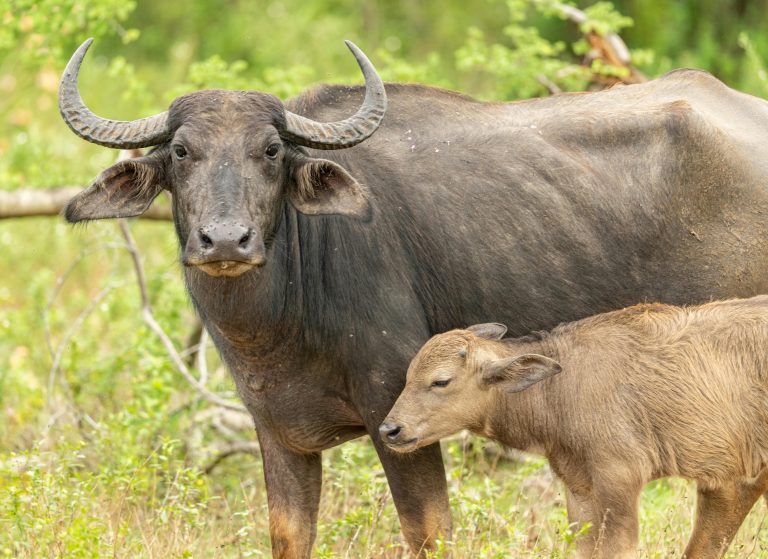
Buffalo meat, locally known as “Buff,” is a staple, high-protein red meat in Nepal. It is popular in dishes like momos (dumplings), chowmein, thukpa, pickles (achar), choila and sukuti (dried meat), with cultural consumption allowed unlike cow beef which is forbidden due to its status as the national animal and prohibited for religious reasons,
Buff meat (buffalo) is a highly nutritious, lean red meat offering significant health advantages, including higher protein and iron levels with lower fat, calories, and cholesterol compared to beef. It provides a superior source of essential nutrients like Vitamin, zinc, and omega-3 fatty acids, supporting heart health, muscle maintenance, and energy levels.

Chicken is a major, affordable protein source in Nepal.It is widely consumed, with popular local dishes including spicy chicken curry, Newari-style chicken choila, chicken momon or chicken sekuwa.
Chicken is a nutrient-dense, lean protein source that promotes muscle growth, aids in weight management, and supports heart health. It is packed with essential amino acids, B vitamins (B3, B6, B12), and minerals like phosphorus and selenium, which improve immunity and bone strength. Skinless chicken is low-fat and low-calorie. It is considered a “complete protein” because it contains all nine essential amino acids necessary for the body to build and repair tissues.

Nepal is home to approximately 186 to 200 fish species, ranging from high-altitude “snow trout” to large river predators like the Golden Mahseer, known as the “king of Nepal’s rivers” and various carp and catfish in the lowland Terai. While most indigenous species are found in its major river systems (Kosi, Gandaki, and Karnali), Nepal also has a growing aquaculture sector focused on carps and trout.
Fish meat is a highly nutritious, low-fat source of high-quality protein, packed with essential omega-3 fatty acids, vitamin D, and minerals like iodine, zinc, and iron. Regular consumption, at least twice a week, supports cardiovascular health, reduces inflammation, improves cognitive function, enhances brain development in children, and may aid sleep.

Hornet Larvae (Aringal in Nepali) are a delicacy in Nepal, particularly in Gorkha and Myagdi districts, where they are cultivated, hunted, and fried as a local specialty. Harvested between July and November. The larvae are described as having a meaty, rich flavor with a texture similar to shrimp. They are most commonly deep-fried or sautéed with local spices to create a savory dish.
Hornet Larvae provide significant nutritional and ecological benefits, serving as a high-protein food source, containing beneficial fats and fiber. They are used as a traditional delicacy, specialized fishing bait, and contribute to ecological balance by acting as natural pest controllers and providing medicinal antioxidant/anti-inflammatory compounds.

Lamb meat (young sheep) is less common than goat meat (mutton/khasi), often referred to as Bheda ko Masu in Nepal, is a popular, high-protein meat enjoyed for its rich flavor and tenderness, Many Lambs graze on natural herbs in high-altitude regions like Jumla or Mustang, ensuring high-quality, organic, and antibiotic-free meat.
Lamb meat is a highly nutritious red meat, packed with high-quality protein, iron, zinc, and Vitamin B12, supporting muscle growth, immune function, and energy metabolism. It is particularly rich in iron and CLA (conjugated linoleic acid), aiding in preventing anemia and potentially reducing body fat.

Mutton (almost exclusively refers to goat meat (Khasi ko Masu) in Nepal) is a premier, traditional meat in Nepal, often associated with festivals like Dashain. It is commonly served as rich curries, fried Pakku, Mutton Pickles or dried Sukuti,
Mutton (specifically goat meat) is a nutrient-dense, lean red meat packed with high-quality protein, iron, and vitamin B12. It supports muscle growth, boosts metabolism, and provides essential minerals like zinc, selenium, and potassium. It is generally lower in saturated fat and calories compared to beef or pork.

Pork in Nepal is increasingly popular, shifting from a traditionally indigenous food to a mainstream favorite, Historically, pork was primarily consumed by indigenous communities like the Rai, Limbu, and Tharu, often used as traditional prasad. It has now become a popular choice across diverse communities in urban areas.
Pork is a nutrient-dense meat that provides a rich source of high-quality protein, essential vitamins, and minerals that support muscle maintenance, energy production, and immune function. When consumed as part of a balanced diet, lean cuts of pork can offer significant health advantages, ranging from improved physical performance to better cognitive health.

In Nepal, snails are viewed from two main perspectives: as a traditional delicacy (Ghonghi) enjoyed by the Tharu and Madhesi communities in the Terai region, and as a harmful agricultural pest (specifically the native and invasive Giant African Land Snail that destroy vegetable farms, paddy, maize, and fruit plants by eating their tender parts).
Snails offer significant nutritional, medicinal, and ecological benefits. As a food source, snail meat is rich in lean protein, vitamin B12, calcium and iron, while containing very low fat. In the Tharu community, it is also believed to be a traditional remedy that relieves joint pain and heals wounds faster. Additionally, snail mucus is highly valued in skincare and medicine for its healing and hydrating properties.

Turkey meat is available in Nepal. While not as common as chicken or mutton (goat), it is increasingly popular for its health benefits, being lean and high in protein. The government of Nepal began promoting turkey farming in 2017, establishing resource centers in Chitwan, Pokhara, Jhapa, Kathmandu, and Itahari.
Turkey meat is a highly nutritious, low-fat protein source that promotes muscle repair, supports immune health, and aids in blood sugar management. Rich in vitamins B6 and B12, selenium, and iron, it helps boost metabolism and provides essential nutrients while remaining low in saturated fat, making it excellent for heart health and weight management.