Mutton (Goat)
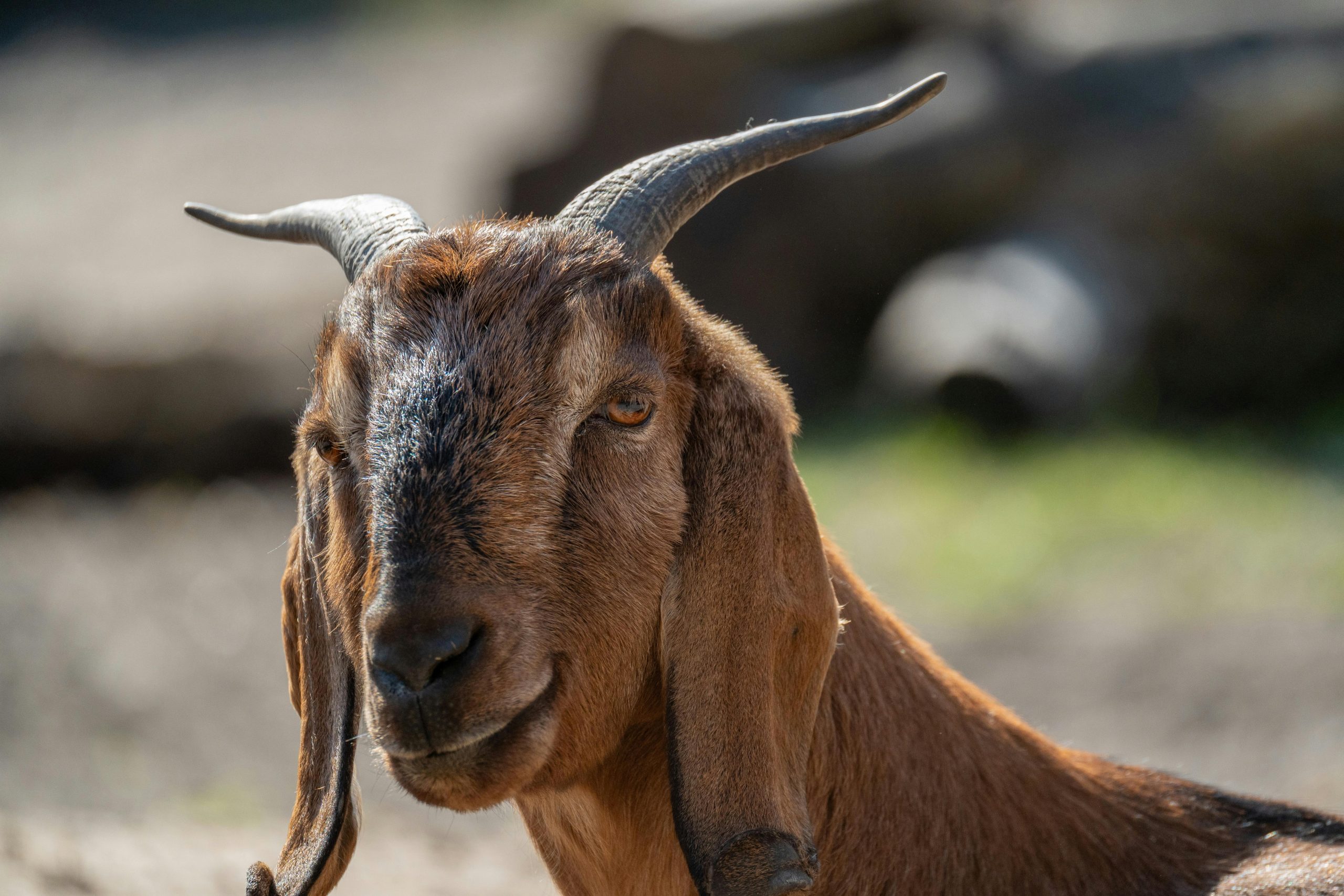
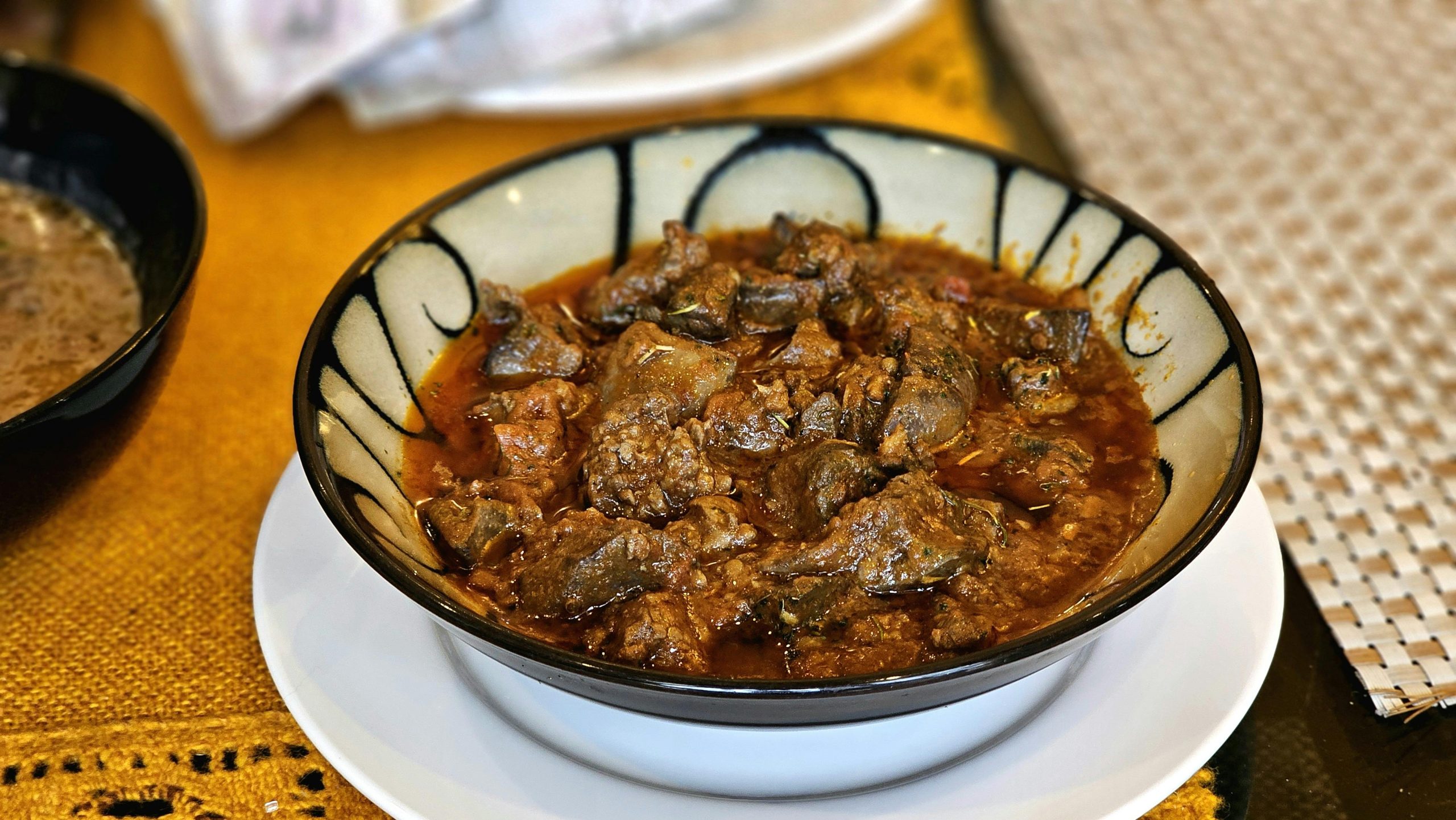
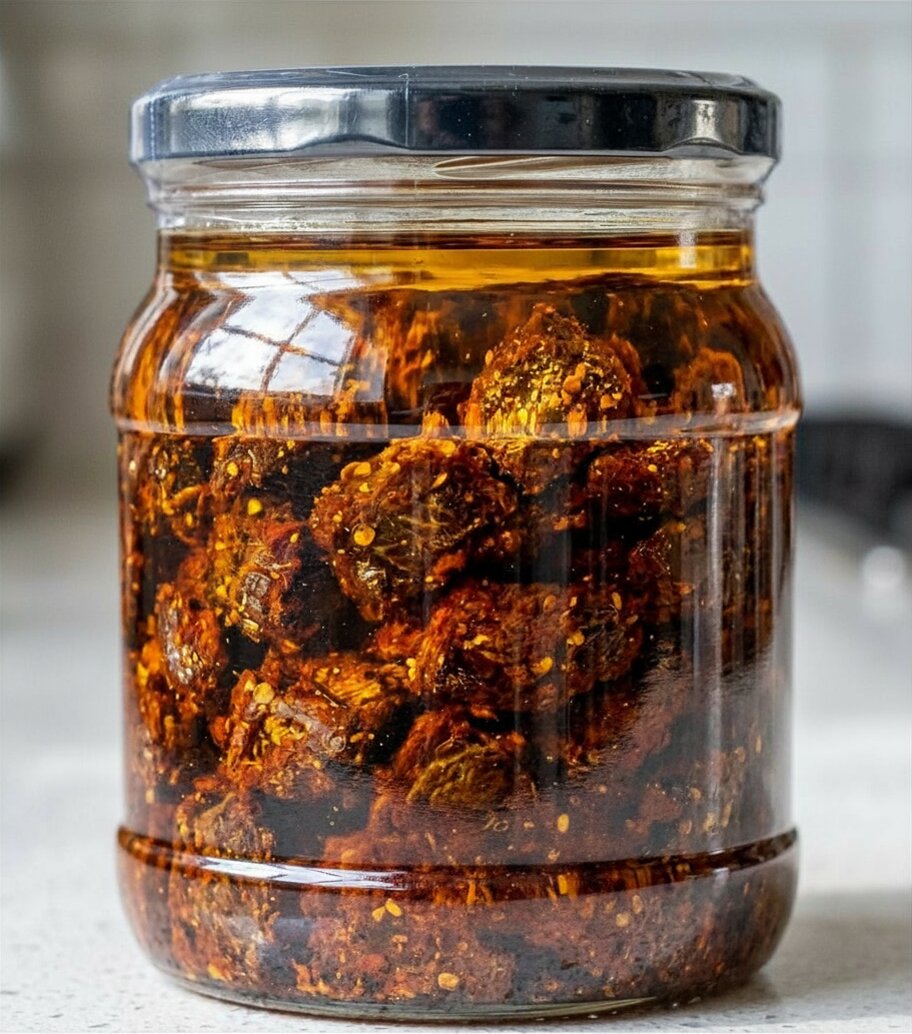
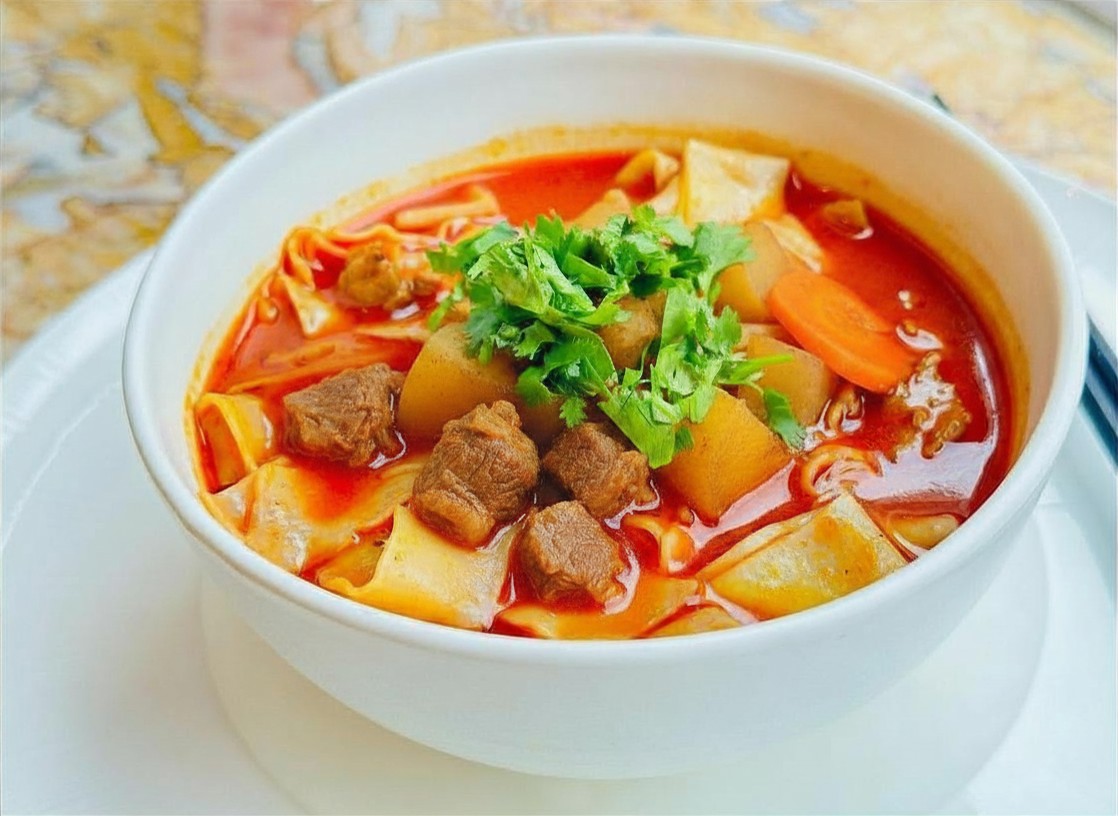
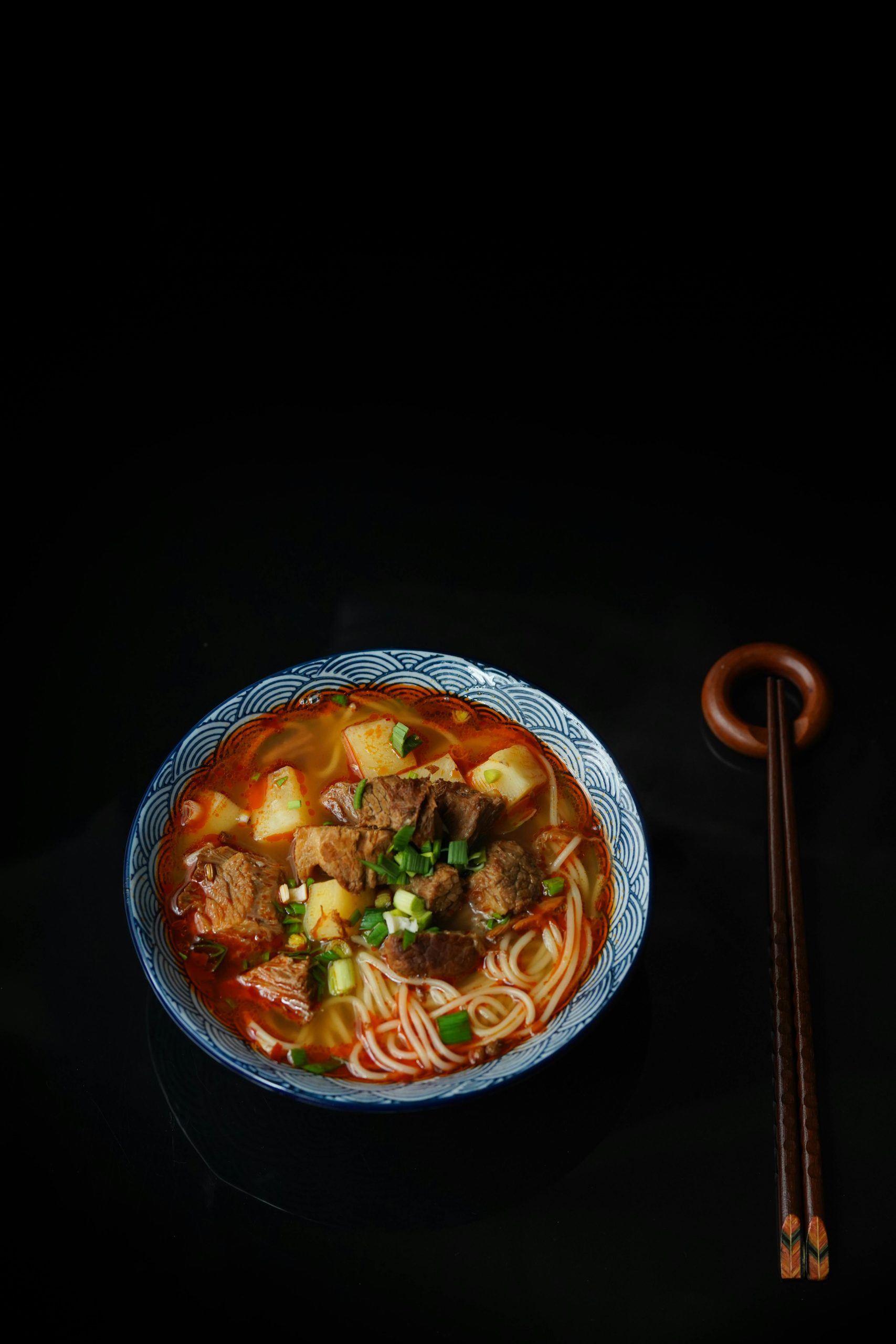
Mutton (almost exclusively refers to goat meat (Khasi ko Masu) in Nepal) is a premier, traditional meat in Nepal, often associated with festivals like Dashain. It is commonly served as rich curries, fried Pakku, Mutton Pickles or dried Sukuti,
Mutton (specifically goat meat) is a nutrient-dense, lean red meat packed with high-quality protein, iron, and vitamin B12. It supports muscle growth, boosts metabolism, and provides essential minerals like zinc, selenium, and potassium. It is generally lower in saturated fat and calories compared to beef or pork.
The key benefits of Mutton (Goat) Meat include:
- High-Quality Protein: Mutton is a “complete protein” containing all nine essential amino acids necessary for muscle growth, repair, and tissue maintenance,
- Prevents Anemia: Mutton is an exceptional source of heme iron, which the body absorbs more easily than plant-based iron. This is particularly beneficial for pregnant women to prevent iron deficiency,
- Heart Health: Goat mutton is lower in cholesterol and saturated fat than beef, pork, or lamb. It contains high levels of unsaturated fats and Omega-3 fatty acids, which help lower “bad” (LDL) cholesterol and reduce inflammation,
- Weight Management: Its high protein content promotes satiety (feeling full), which can help reduce overall calorie intake. Being leaner than most red meats, it is a preferred option for those in a calorie deficit,
- Immune System Support: Mutton is a powerhouse of zinc and selenium, minerals that are vital for strengthening the immune system and protecting cells from oxidative damage,
- Bone Health: Contains phosphorus and calcium, which are crucial for maintaining strong bones and teeth,
- Brain & Nerve Health: It is an excellent source of Vitamin B12 (cobalamin), which is essential for healthy nerve function, DNA synthesis, and red blood cell formation. It also contains Vitamin B3 (niacin), which supports metabolism and brain function.
Where is it used?