Spices Ingredients

Black Salt, known as Bire Noon or Kalo Noon in Nepal, is a popular Himalayan volcanic rock salt widely used in Nepali cuisine for its unique, pungent sulfurous taste and aroma. It is commonly used as a finishing salt for salads, fruit salads, chaat masala, street foods, chatpate, and in ayurvedic medicine.
Known for aiding digestion, reducing bloating, treating constipation, and stimulating bile production.

Nepal is the world’s leading producer of large cardamom (also known as black cardamom or alaichi). Cultivation is concentrated in the eastern hills, specifically in the districts of Taplejung, Sankhuwasabha, Panchthar, and Ilam. It thrives at altitudes between 700 and 2,100 meters in humid, shaded environments, often intercropped under Uttis (alder) trees. Harvested pods are typically dried in wood-fired ovens called bhattis, giving the spice its signature smoky aroma.
Cardamom, often called the “Queen of Spices,” offers a wide range of potential health benefits due to its high concentration of antioxidants and anti-inflammatory compounds.
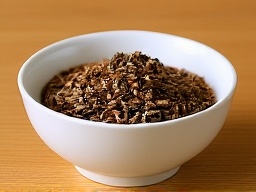
Carom Seeds (Ajwain), known as Jwano in Nepal, are aromatic, thyme-like seeds. They are a staple spice used in Nepali cuisine to temper lentils, curries, pickles (achar) and in Jwano ko Jhol (a traditional soup for new mothers, children, or those suffering from colds and indigestion).
Carom Seeds are potent, nutrient-rich seeds primarily used to aid digestion, reduce gas, and treat stomach issues due to their active compound, thymol. They also offer anti-inflammatory effects, help alleviate respiratory congestion, assist in weight loss, and possess antibacterial properties. Also used to treat digestive issues, bloating, and as a home remedy for cold, cough, and sore throat.

Nepal is a significant producer of Cinnamon, locally known as Dalchini (bark) and Tejpat (leaf). While it grows wild in many hilly regions, commercial cultivation is concentrated in the mid-hills, with the country exporting the majority of its harvest to India.
In Nepal, Cinnamon is a versatile ingredient used in daily life and traditional ceremonies : meals,desserts, drinks, Ayurveda medicine, pharmaceuticals, soaps, and dental care products.

Cloves, known as Lwang in Nepal, are crucial aromatic spices used in both culinary and traditional medicinal practices. They are essential in flavoring savory dishes like meat, poultry, and vegetable stews, as well as being a staple in masala tea.
Cloves are nutrient-dense flower buds packed with eugenol, offering high antioxidant, antimicrobial, and anti-inflammatory properties. They support immune health, aid digestion, reduce oral pain (toothaches), and help manage blood sugar levels. Regularly consuming cloves can improve joint health, treat bad breath, and protect the liver.

Coriander Seeds, locally known as Dhaniya ko Geda, are a fundamental spice in Nepali cuisine and are widely available across the country for both culinary and agricultural purposes. They are valued for their warm, citrusy aroma and are often used alongside cumin as a primary seasoning.
Often roasted and ground for curries, soups, and spice blends to enhance flavor and aid digestion.

Cumin Seeds (Jeera) are a staple spice in Nepal, widely used in daily cooking. They are used in curries, soups, and roasted to enhance flavor in various dishes.
Cumin Seeds are a nutrient-dense, antioxidant-rich spice that significantly aid digestion, promote weight loss, improve blood cholesterol, and help manage blood sugar levels. Packed with iron, they boost immunity and provide anti-inflammatory benefits that may aid in managing diabetes and reducing food-borne illness risk.

In Nepal, Dried Mango Powder is commonly known as Amchur or Amchoor. It is a tangy, tart spice made from sun-dried unripe green mangoes that are ground into a fine powder. Used as a souring agent in place of lemon or tamarind for curries, dals, and vegetable dishes. It is a key ingredient in chaats, pani puri, and street snacks. Often added to meat marinades (like chhoila) and pickles (achar) to provide a sharp, tangy kick. Sometimes used in summer drinks and mocktails for a refreshing citrusy flavor.
Dried Mango Powder is a nutrient-dense spice offering high levels of Vitamin C, Vitamin A, and antioxidants. It supports digestion, boosts immunity, aids metabolism, and helps regulate blood sugar.

In Nepal, Dry Red Chilies (known locally as Sukeko Khursani), are commonly used in traditional pickles (achar), chutneys, and daily cooking, these dried peppers offer high heat, antioxidants, and a bold flavor profile.
Dried Red Chilies are nutrient-dense powerhouses packed with capsaicin, vitamin A, C, and E, offering significant health benefits, including boosting metabolism, improving heart health, and reducing inflammation. They aid digestion, boost immunity against colds, and provide pain relief. Regular, moderate consumption is associated with improved longevity.

In Nepal, Fennel Seeds are commonly known as Saunf or Sup. Added whole, roasted, or ground to curries, teas, pickles, and baked goods.
It’s a nutrient-dense spice widely used to improve digestion, freshen breath, and provide antioxidant support. Rich in antioxidants, fiber, and essential minerals like manganese, potassium, and calcium. They contain essential oils and minerals that help manage various health conditions, from respiratory issues to hormonal imbalances.
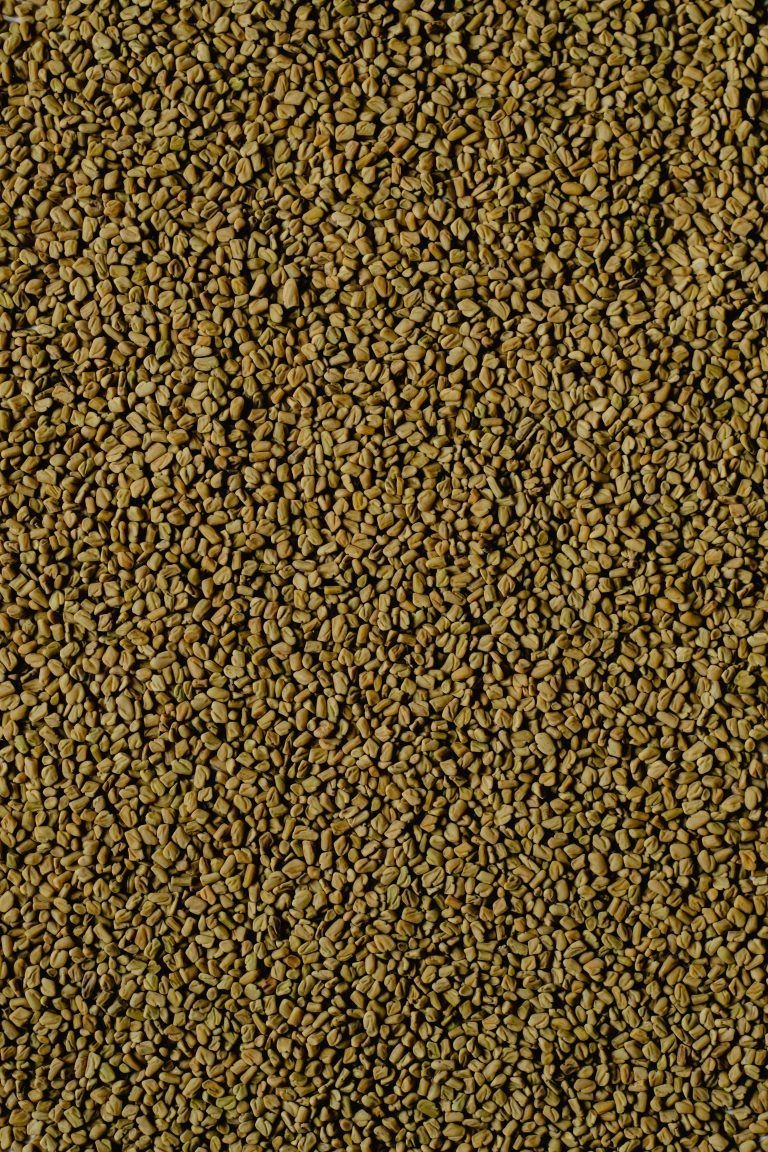
Fenugreek Seeds, known locally as Methi, are a staple spice in Nepali cuisine. Whole seeds are often fried in mustard oil to temper dishes like Alu Sadheko (spicy potato salad) and Bhatmas Sadheko (soybean salad) to release their nutty aroma.
Fenugreek Seeds are widely recognized for their potential to regulate blood sugar, improve digestion, and boost breast milk production in lactating women. Ayurveda practitioners use these bitter seeds to purify blood and reduce inflammation. They are rich in soluble fiber, antioxidants, and bioactive compounds like saponins that support metabolic and heart health.

Garlic is a nutrient-dense, pungent bulb from the onion family, highly regarded for both culinary flavor and medicinal properties.
Garlic boosts your immune system, promotes heart health by managing blood pressure and cholesterol, and provides potent anti-inflammatory and antioxidant properties. The best health benefits come from its active sulfur compound, allicin, which releases when crushed.

Ginger is a pungent, aromatic rhizome widely used as a spice and herbal medicine, renowned for its ability to relieve nausea, aid digestion and reduce inflammation.
It is commonly consumed fresh, dried, or as tea. Used in curries, stir-fries, teas, smoothies, and desserts.

In Nepal, Green Chili, locally known as Hariyo Khursani, is a fundamental ingredient used to add a fresh, pungent heat to daily meals. While many varieties are grown across the hilly and Terai regions, the most iconic and prized is the Akabare Khursani (or Dalle Khursani), a small, round chili famous for its intense heat and distinct aroma.
Green Chilies are calorie-free, nutrient-dense powerhouses rich in Vitamins C, A, and B6, which boost immunity and skin health. Their active compound, capsaicin, speeds up metabolism, aids in weight loss, lowers blood pressure, and improves digestion. They also help regulate blood sugar, soothe respiratory issues, and act as natural antioxidants.

In Nepal, Mustard Seeds (known as Tori, Sarsyu, or Rayo) are staple ingredients used for oil production, spice seasoning, and pickling. The seeds range in color from yellow to dark reddish-brown and are primarily cultivated in fertile districts like Chitwan.
Mustard Seeds are nutrient-dense, providing selenium, magnesium, and omega-3 fatty acids that promote cardiovascular health, reduce inflammation, and aid in digestion. Rich in antioxidants and glucosinolates, they boost immunity. These seeds also help relieve respiratory issues and manage blood sugar.

In Nepal, Nigella Seeds are most commonly known as Mungrelo. They are also frequently referred to as Kalonji (a name used across South Asia) or Kalo Jeera (meaning “black cumin”). These small, triangular black seeds are a staple spice in Nepali kitchens (Pickles (Achar), Nimki, Vegetable curries (especially pumpkin), and Meat dishes).
Nigella Seeds are highly valued in traditional and modern medicine for their rich profile of antioxidants, particularly thymoquinone. These seeds are traditionally used to address a wide range of conditions, from respiratory issues like asthma to metabolic disorders such as diabetes.

Nutmeg, known as Jaiphal in Nepal, is a popular aromatic spice used in traditional Nepali cuisine for both sweet and savory dishes, particularly in curries and rice pudding (kheer). Nutmeg is also used in milk or tea (ex : Chyia or Masala Tea) for its comforting scent and also in traditional medicine and Ayurvedic purposes.
Nutmeg is a nutrient-dense spice packed with antioxidants, anti-inflammatory compounds, and antibacterial properties that support heart health, improve digestion, boost mood, and enhance cognitive function. It may also aid in sleep quality, relieve pain, and reduce blood sugar levels.
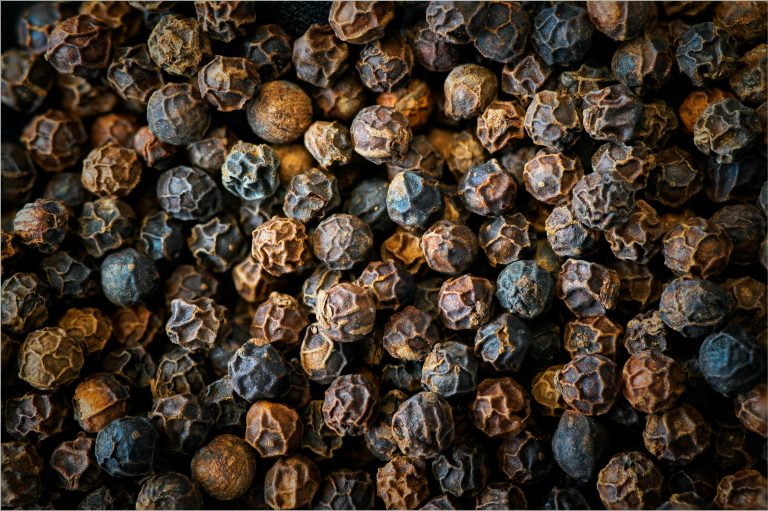
Peppercorn in Nepal, locally known as Timur (or Timut), a relative of the Sichuan pepper, is a popular Himalayan spice known for its strong citrus aroma and tongue-numbing, pepper-like taste. In Nepal it is the most iconic “peppercorn” and a major export. Primarily used in pickles, momo fillings, chutneys, soups and local meat dishes, it is prized for its culinary, aromatic, and medicinal properties.
In traditional Ayurvedic medicine, it is used to treat toothaches (earning it the name “toothache tree”), digestive issues by stimulating stomach enzymes, and respiratory problems. They also offer anti-inflammatory properties and potential blood sugar regulation.
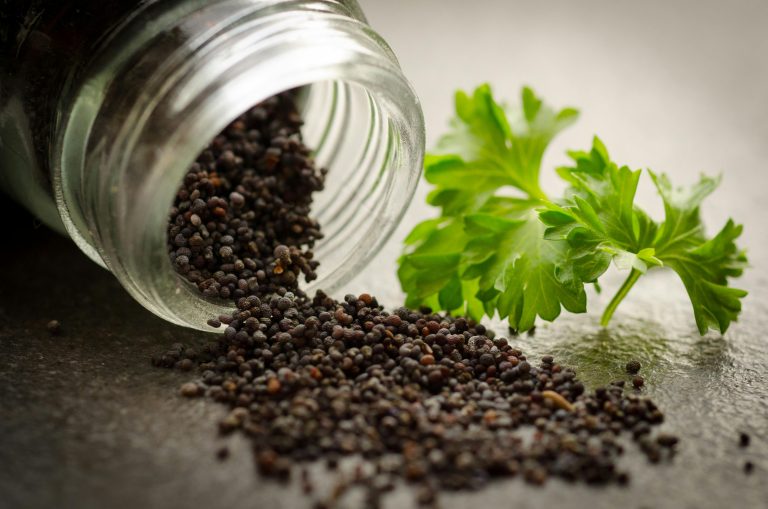
Poppy Seeds in Nepal, known locally as Khas Khas, Posta Dana, or Aphim, are small, nutrient-dense, oil-rich seeds used in curries, sweets (like kheer and halwa) and as a popular topping for breads.
Traditionally used in Ayurveda to promote relaxation, improve digestion due to high fiber content, and support bone health with calcium, iron and magnesium despite strict regulations on the cultivation of the opium poppy plant itself.
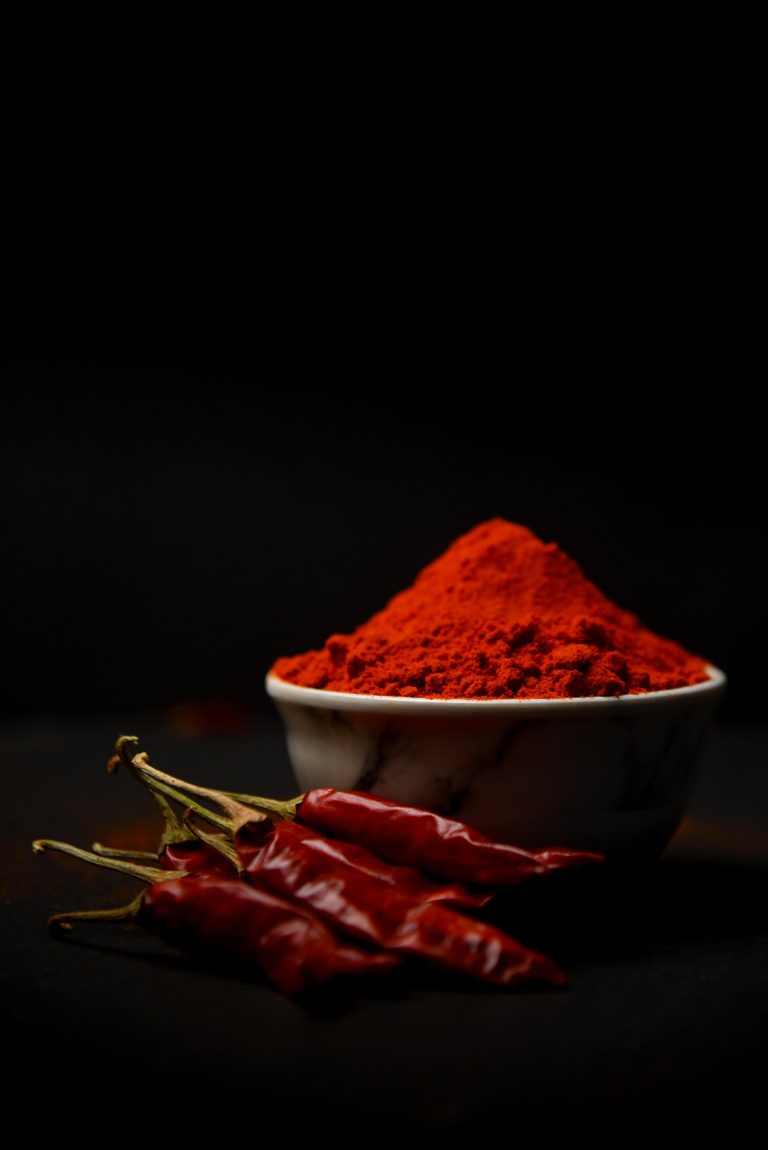
Red Chili Powder, known locally as Khursani ko dhulo, is a staple spice in Nepal available in various heat levels and varieties, ranging from mild Kashmiri mirch to extra-hot blends. It is a hot-tasting spice made from grinding dried red chilies, used to add, heat, and vibrant color to dishes. It is a kitchen staple for curries, marinades, and seasoning.
Red Chili Powder offers significant health benefits due to its high capsaicin content, which acts as a powerful anti-inflammatory, aids in weight loss by boosting metabolism, and improves digestive health. It is rich in Vitamin C and A, supporting immune function, skin health, and acting as a natural congestion reliever.
