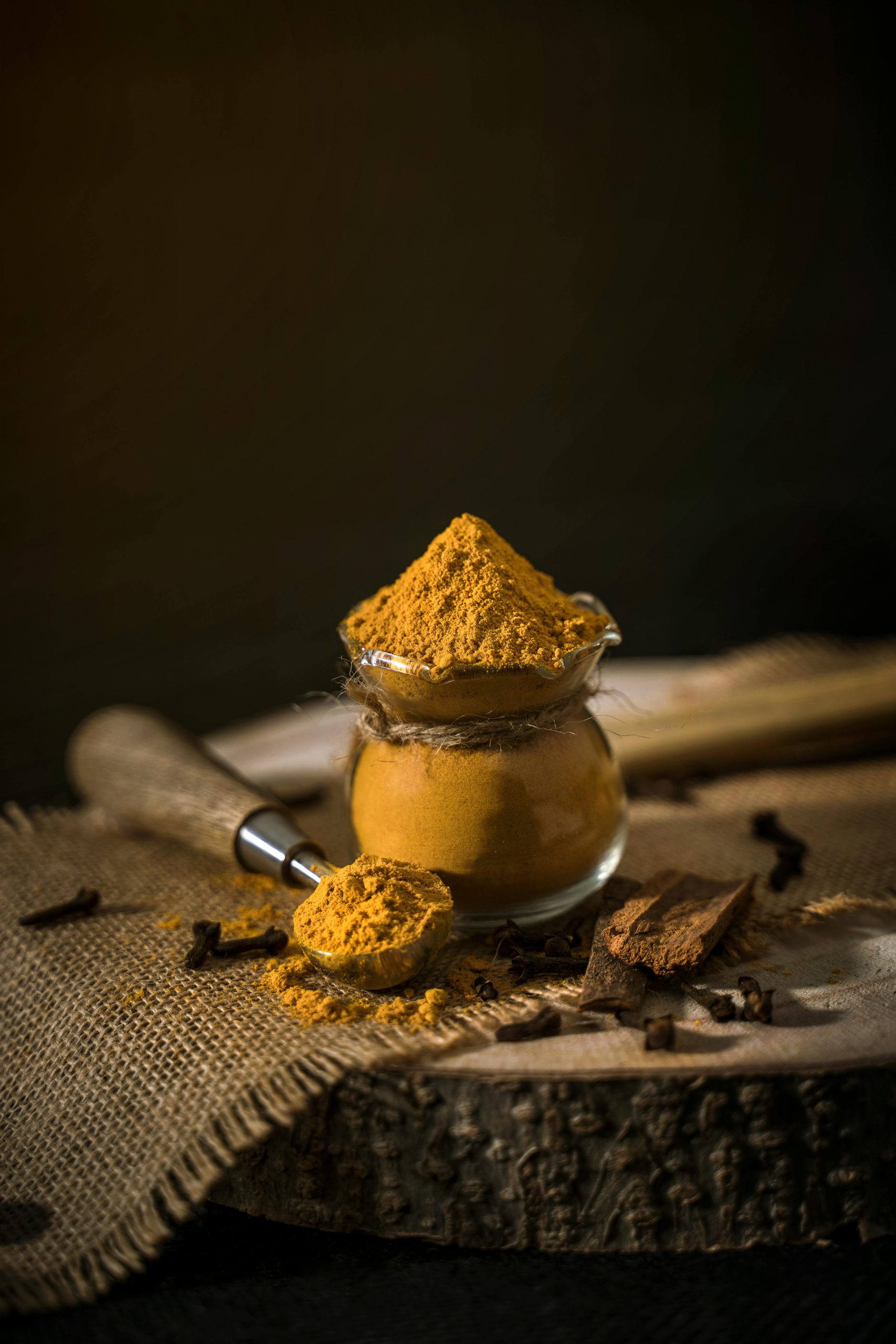
Black Salt
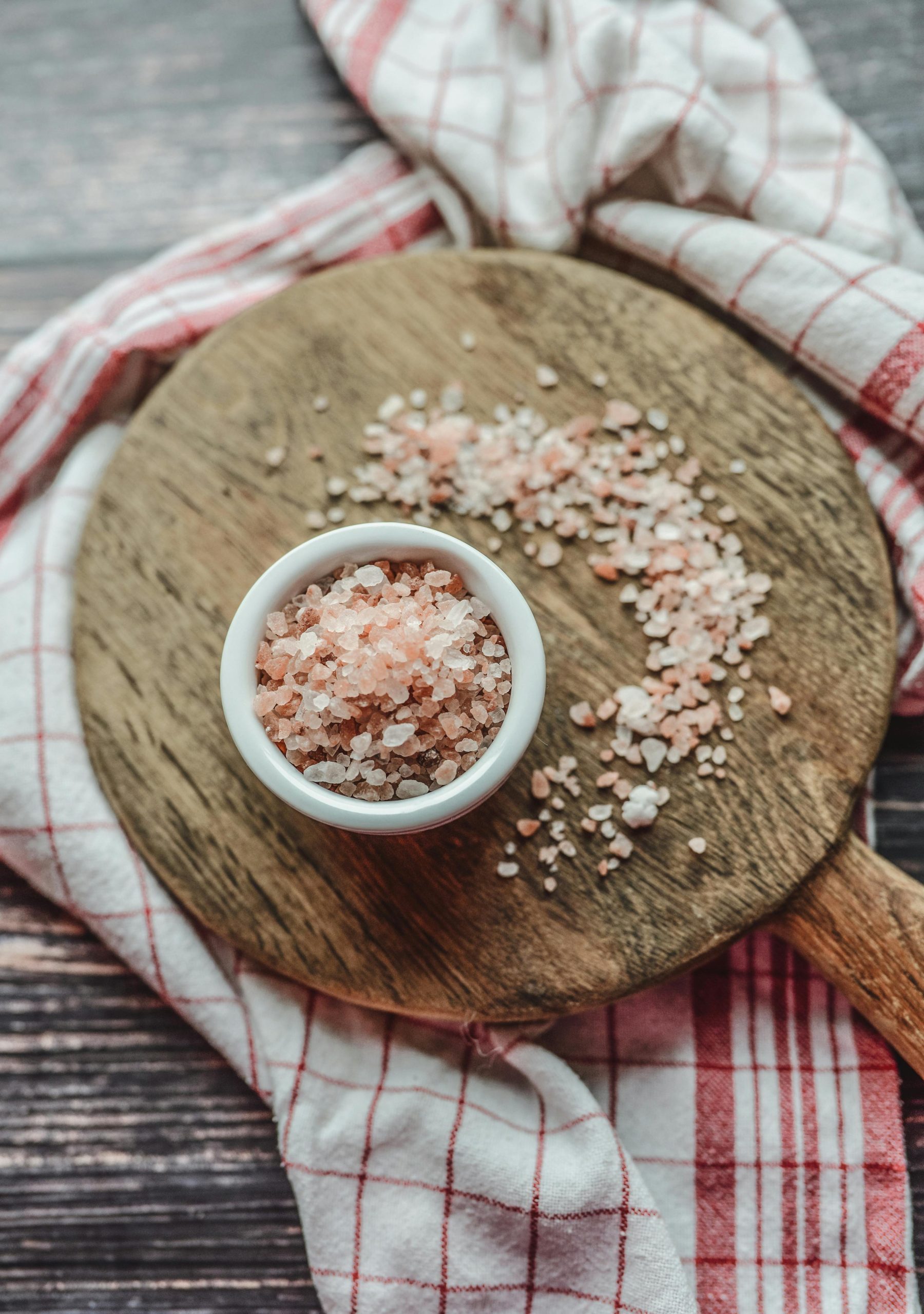
Black Salt, known as Bire Noon or Kalo Noon in Nepal, is a popular Himalayan volcanic rock salt widely used in Nepali cuisine for its unique, pungent sulfurous taste and aroma. It is commonly used as a finishing salt for salads, fruit salads, chaat masala, street foods, chatpate, and in ayurvedic medicine.
Known for aiding digestion, reducing bloating, treating constipation, and stimulating bile production.
The key benefits of Black Salt include:
- Digestive Aid: Traditionally used to relieve bloating, gas, and heartburn by stimulating bile production in the liver,
- Vegan Cooking: Highly popular as an egg substitute in plant-based dishes like tofu scrambles because of its sulfur content,
- Relieves Muscle Spasms: Contains significant amounts of potassium, which helps ease muscle cramps,
- Skin & Hair Care: Sometimes added to bathwater to soothe skin irritations or used in scrubs to exfoliate dead skin,
- Supports Respiratory Health: Used in traditional remedies to clear mucus and phlegm, it may act as a natural expectorant for congestion or coughs,
- Weight Management: By enhancing metabolism and reducing water retention compared to common salt, it is often included in detox diets.
While Black Salt is lower in sodium than regular table salt, it should still be consumed in moderation, especially by those with hypertension. Also high intake can lead to elevated blood pressure, kidney strain, or kidney stones.
Unlike most table salts, black salt does not contain added iodine. Relying solely on it can lead to iodine deficiency unless other sources are included in the diet.
It naturally contains fluoride; excessive consumption may cause dental fluorosis, especially in children.
Where is it used?