Vegetables Ingredients

Avocado cultivation in Nepal has seen a significant surge in recent years. While traditionally imported, local production is rapidly expanding in the eastern hilly regions as a high-value alternative to declining orange farming. Avocados are suitable for smoothies, salads, toast, or eating directly with a spoon.
Avocados are highly nutritious, packed with heart-healthy monounsaturated fats, fiber, and essential vitamins (folate) that promote heart health, aid digestion, and boost nutrient absorption. They improve cholesterol levels, support eye health with antioxidants, aid in weight management, and may even improve sleep quality due to magnesium content. They are unique among fruits for being low in sugar and high in healthy monounsaturated fats, which are essential for overall health.

In Nepal, Bamboo Shoots are a cherished seasonal delicacy locally known as Tama. They are a fundamental part of Nepali culinary heritage, particularly within the Newari community, and are celebrated for their unique tangy and savory flavor profile.
Bamboo shoots are nutrient-dense vegetables that offer significant benefits for heart health, digestion, and weight management while providing essential vitamins and minerals. Known as “green gold” in some cultures, they are highly versatile and contain bioactive compounds that act as natural antioxidants.

In Nepal, Bitter Gourd is most commonly known as Tite Karela, where “Tite” translates to “bitter”. It is a staple warm-season vegetable prized for its medicinal properties, particularly for managing blood sugar levels and supporting metabolic health.

In Nepal, Black Chickpeas, known locally as Kalo Chana, are deeply integrated into Nepali food culture, commonly appearing in festive meals, breakfast snacks, and traditional curries.
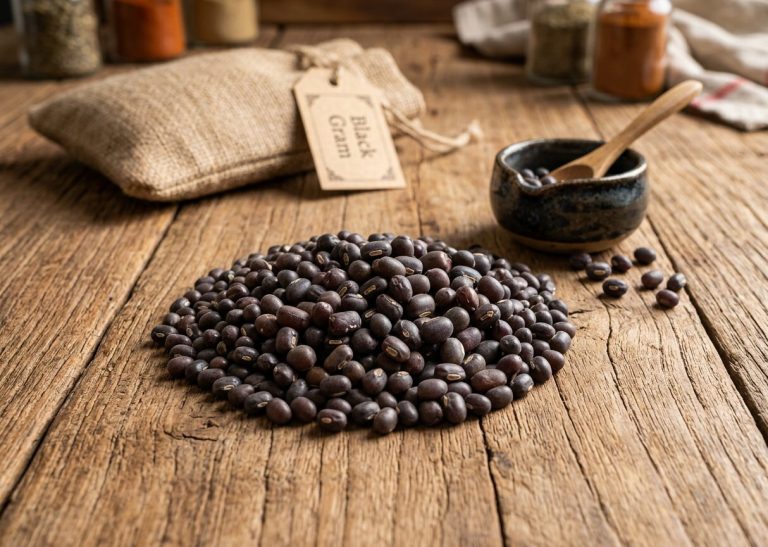
Black Gram, locally known as Maas or Urad Dal, is a traditional and highly popular pulse in Nepal. Nepal produces about 26,114 metric tons of black gram annually, cultivated across the Terai, mid-hills, and valley regions. Often grown during the fallow period between major crop cycles like wheat and rice.
Black Gram provides high plant protein, rich dietary fiber, and essential minerals like iron and calcium.

In Nepal, the Bottle Gourd is known as Lauka. It is a highly valued summer and rainy season vegetable, praised for its high water content and therapeutic properties. It is a staple in Ayurvedic medicine for its cooling effects and ability to balance body systems.
Lauka can be grown from the low-lying Terai plains up to altitudes of 2,000 meters in the hills. It is typically planted between Magh and Jestha (January to June).

In Nepal, Broccoli (known locally as Brocauli) is a popular winter vegetable primarily cultivated in the hilly and Terai regions (Sindhuli, Kailali, and Chitwan).
Broccoli is a nutrient-dense “superfood” known for its high concentrations of fiber, vitamins, and minerals. It is particularly valued for its potent plant compounds like sulforaphane, which have been linked to a reduced risk of chronic diseases.

Cabbage (locally known as Banda Gopi) is one of Nepal’s most significant vegetable crops, grown year-round across diverse altitudes from the Terai plains to the high hills.
Often referred to as a “nutritional powerhouse,” cabbage is a versatile cruciferous vegetable that offers a wide range of benefits for your heart, gut, and immune system.

In Nepal, Capsicum, commonly known as Shimla Mirch, is a high-value vegetable crop primarily grown in the mid-hills and Terai regions. While it is traditionally a cool-season crop, it is now cultivated year-round through the use of plastic tunnels and greenhouses.
Capsicum is a nutrient-dense vegetable that offers significant benefits for the immune system, eye health, and heart function. It is exceptionally high in vitamin C, often providing more than double the daily requirement in a single serving.

In Nepal, Carrots are a major vegetable crop primarily grown in the Bagmati Province, particularly in districts like Bhaktapur and Chitwan.
Carrots are nutritional powerhouses famously known for their high beta-carotene content, which your body converts into Vitamin A. This essential root vegetable supports a wide range of bodily functions, from maintaining sharp vision to strengthening your immune system.

Cauliflower, known as “Kauli” in Nepali, is one of the most essential and widely cultivated vegetables in Nepal. It is a staple of the Nepali diet, frequently appearing in everyday meals and festive gatherings.
Cauliflower is a cruciferous vegetable that serves as a nutrient-dense “superfood,” offering a wide range of benefits for digestion, heart health, and disease prevention.

Celery (often called Ajmod or Ajwain in Nepali) is increasingly available in Nepal, particularly in the Kathmandu Valley. While not a traditional staple in local markets, it has gained popularity for its health benefits, including its use in juices and healthy meals. Celery is commonly sold in small, thin-stalked bunches (resembling parsley/dhaniya).
Celery is a highly nutritious, low-calorie, and 95% water-based vegetable that promotes hydration, aids digestion, reduces inflammation, and supports heart health. Rich in vitamins K, C, and fiber, it helps manage weight, lowers blood pressure, and supports bone health.

In Nepal, Chayote Squash is known as Iskush. It is a versatile, zero-waste vegetable where the fruit, shoots, and tuberous roots are all commonly consumed in local cuisine.
It is cultivated primarily in the mid-hill regions of Eastern and Central Nepal, including Ilam, Dhankuta, Taplejung, and Panchthar.
Chayote Squash is a nutrient-dense, low-calorie vegetable that offers several therapeutic benefits, ranging from heart health to anti-aging properties.

Chickpeas, locally known as Chana or Kabuli Chana, are a vital, protein-rich staple in Nepal, often grown in the Terai as an intercrop with maize or rice. Commonly consumed as roasted snacks (Bhuteko Chana) or in curries (Chana ko Tarkari), they are widely available.
Chickpeas are a highly nutritious, budget-friendly legume packed with plant-based protein, dietary fiber, and essential minerals like iron, phosphorus, and potassium. They support digestive health, heart health, aid in weight management, and help regulate blood sugar levels.
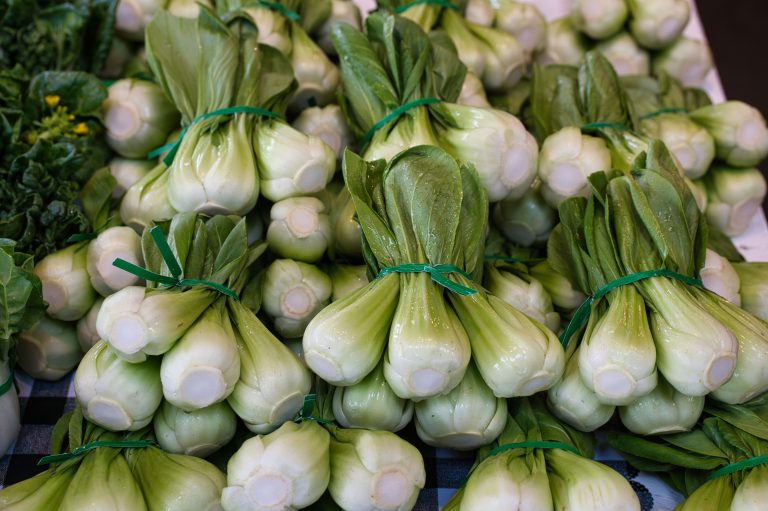
Chinese Cabbage in Nepal is primarily known as Napa Cabbage (or Banda Chiniya) and Bok Choy (Pak Choi). It is widely grown in the hills, mid-hills and Terai during the cool season, specifically from (mid-September to mid-December).
Chinese cabbage is a nutrient-dense vegetable packed with vitamins A, C, and K, as well as folate and calcium. It is incredibly low in calories and high in water, making it a hydrating, weight-management-friendly addition to any diet. Chinese cabbage supports heart health, strengthens bones, aids digestion, boosts immunity, and promotes radiant skin.

In Nepal, Corn (locally known as Makai) is the second most important cereal crop after rice, traditionally serving as the staple food for people living in the hilly regions.
Corn is a nutrient-dense whole grain that provides essential fiber, vitamins, and unique antioxidants. While often treated as a vegetable, its status as a grain means it offers a rich source of complex carbohydrates for sustained energy.

Cowpeas, also known as Black-Eyed Peas, locally known as Bodi in Nepal, are a vital, protein-rich legume cultivated primarily as a rotation crop in rainfed conditions to improve soil quality. They are a staple in Nepali kitchens, often consumed as a dry pulse or fresh green bean, and are a key component of sustainable agriculture, fixing atmospheric nitrogen for companion crops.
Cowpeas are highly nutritious, low-fat legumes packed with plant-based protein, fiber, folate, iron, and potassium. They support heart health, aid digestion, assist in weight management, and help regulate blood sugar levels due to their low glycemic index.

In Nepal, Cucumbers (known as Kakro) are a versatile and common summer vegetable grown across diverse climates, from the Terai plains to the mid-hills.
Cucumbers are more than just a refreshing salad staple; they are a nutritional powerhouse packed with water, vitamins, and antioxidants that support everything from heart health to glowing skin.

In Nepal, Eggplant is commonly known as Bhanta. It is a versatile staple cultivated across various agro-climatic regions, from the Terai plains as a winter crop to the mid-hills as a summer crop.
Often called the “king of vegetables,” the eggplant is a powerhouse of nutrients, rich in antioxidants and fiber. It offers numerous scientifically proven health benefits: it promotes cardiovascular health, improves blood circulation, and reduces the risk of heart disease. It prevents blood sugar spikes, is beneficial for bone formation and wound healing, and contributes to weight management.
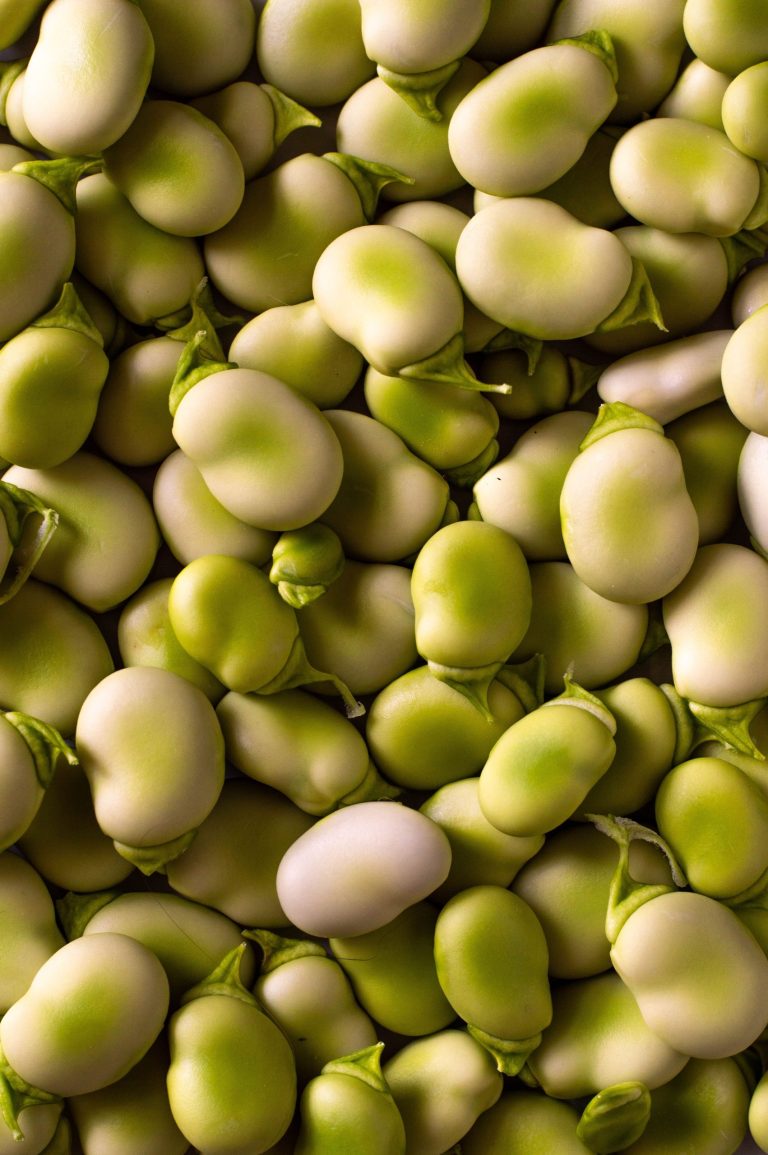
In Nepal, Fava Beans (broad beans) are popularly known as Bakula or Solu Simi. They are grown in the Himalayan regions and local organic farms of Nepal. They are packed with plant protein and fiber, and commonly used in local curries, soups, or organic dishes.
Fava Beans are nutrient-dense legumes that offer incredible health benefits. Incorporating them into your diet supports brain function, heart health, and weight management.
