Nigella Seeds
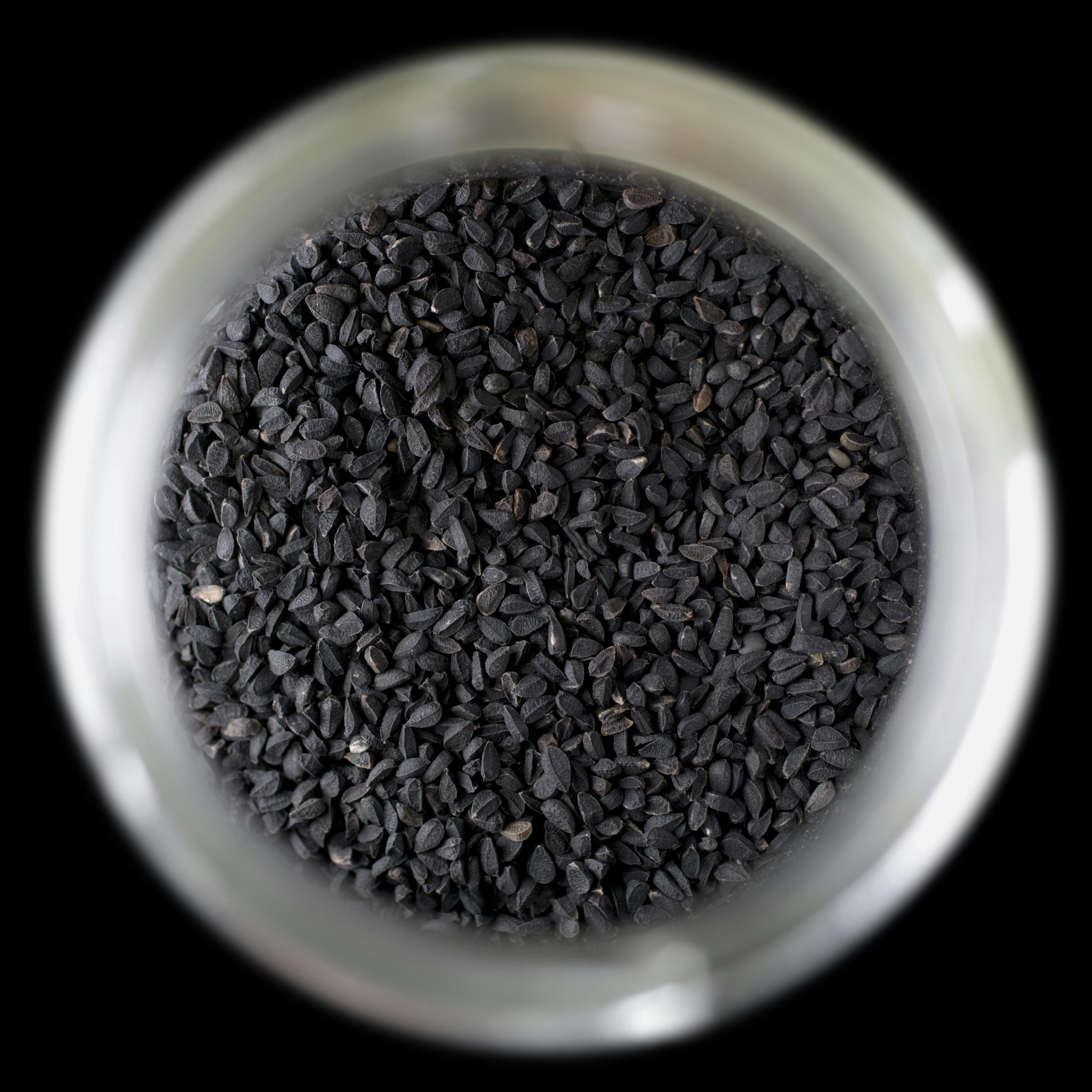
In Nepal, Nigella Seeds are most commonly known as Mungrelo. They are also frequently referred to as Kalonji (a name used across South Asia) or Kalo Jeera (meaning “black cumin”). These small, triangular black seeds are a staple spice in Nepali kitchens, prized for their slightly bitter, peppery, and nutty flavor.
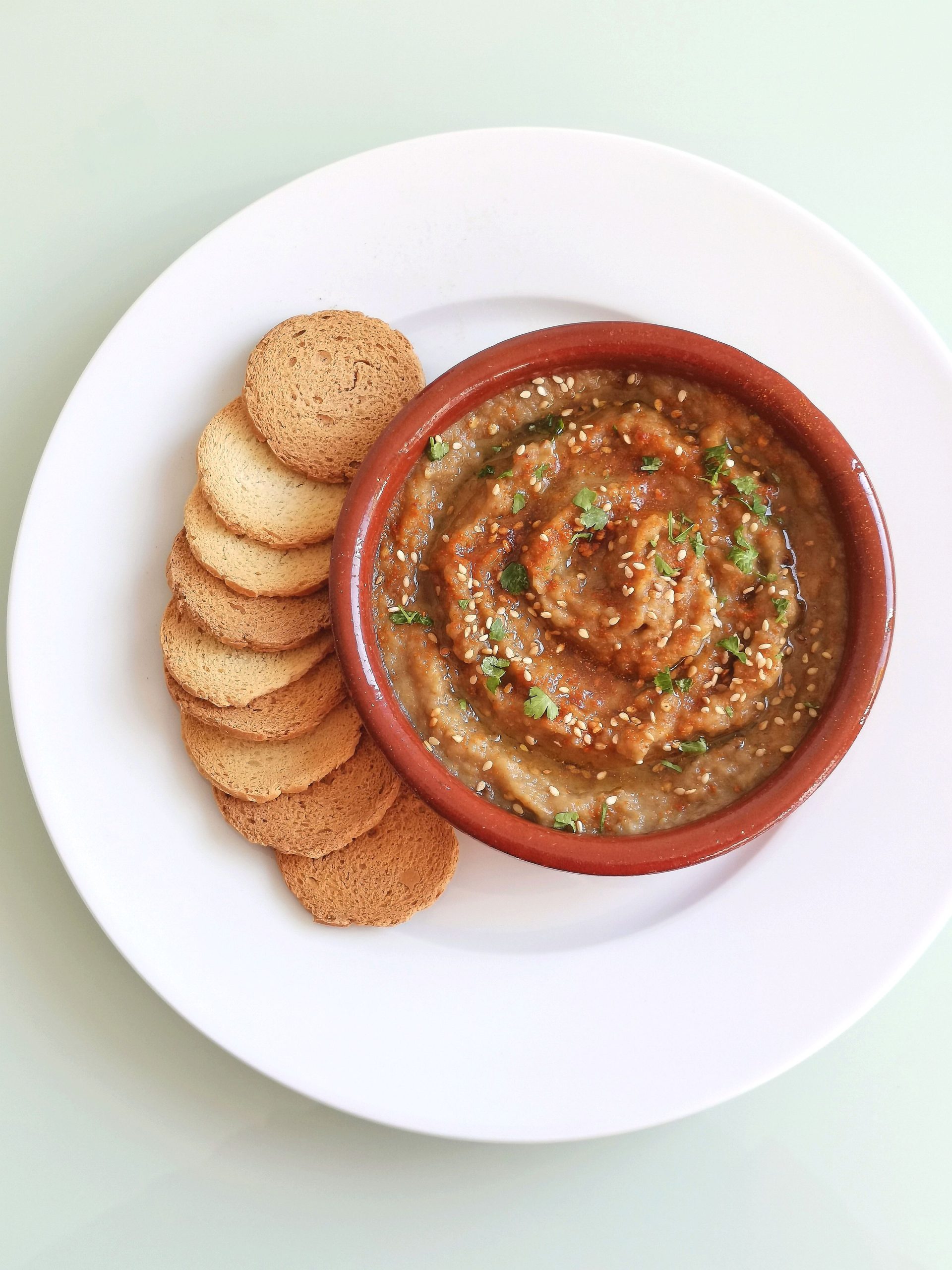
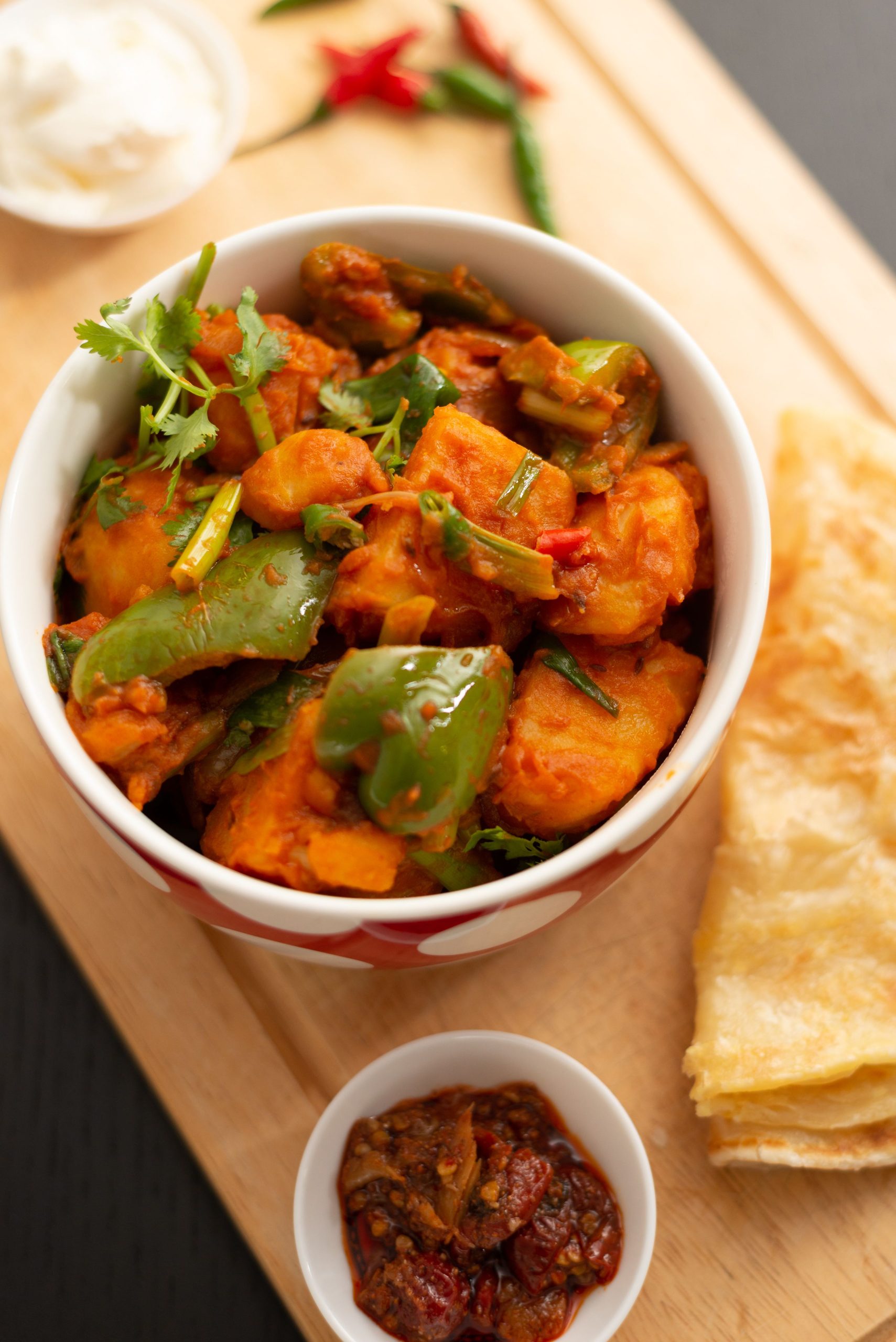
They used in several traditional and modern ways: Pickles (Achar), Nimki, Vegetable curries (especially pumpkin), and Meat dishes.
Nigella Seeds are highly valued in traditional and modern medicine for their rich profile of antioxidants, particularly thymoquinone. These seeds are traditionally used to address a wide range of conditions, from respiratory issues like asthma to metabolic disorders such as diabetes.
The key benefits of Nigella Seeds include:
- Digestion & Immunity: Traditionally consumed to aid digestion, relieve bloating, and boost the immune system,
- Weight Management: Some local remedies involve taking seeds with warm water or lemon juice to assist with weight loss,
- Immune System Support: Packed with immune-stimulating minerals like iron, zinc, and magnesium, these seeds help strengthen the body’s natural defenses against infections,
- Metabolic Health & Diabetes: Clinical trials suggest nigella seeds can improve insulin sensitivity and significantly lower fasting blood sugar and HbA1c levels in people with type 2 diabetes,
- Heart Health: They may help regulate cholesterol by lowering “bad” LDL cholesterol and triglycerides while supporting “good” HDL cholesterol. They also show potential in slightly reducing blood pressure,
- Anti-Inflammatory Properties: Thymoquinone has powerful anti-inflammatory effects that may ease symptoms of chronic conditions like rheumatoid arthritis and asthma,
- Digestive Aid: Traditionally used to relieve bloating, gas, and indigestion, they may also protect the stomach lining against gastric ulcers and help treat H. pylori infections,
- Skin Care: When applied topically or consumed, nigella seed oil can help manage acne, eczema, and psoriasis due to its antibacterial properties,
- Hair Health: It is a popular ingredient in shampoos to reduce hair loss, strengthen follicles, and add shine and softness.
Use caution if you are on medications for diabetes, high blood pressure, or blood thinners, as nigella seeds may amplify their effects and cause levels to drop too low.
It is generally advised to avoid high doses during pregnancy as it may stimulate uterine contractions.
Where is it used?