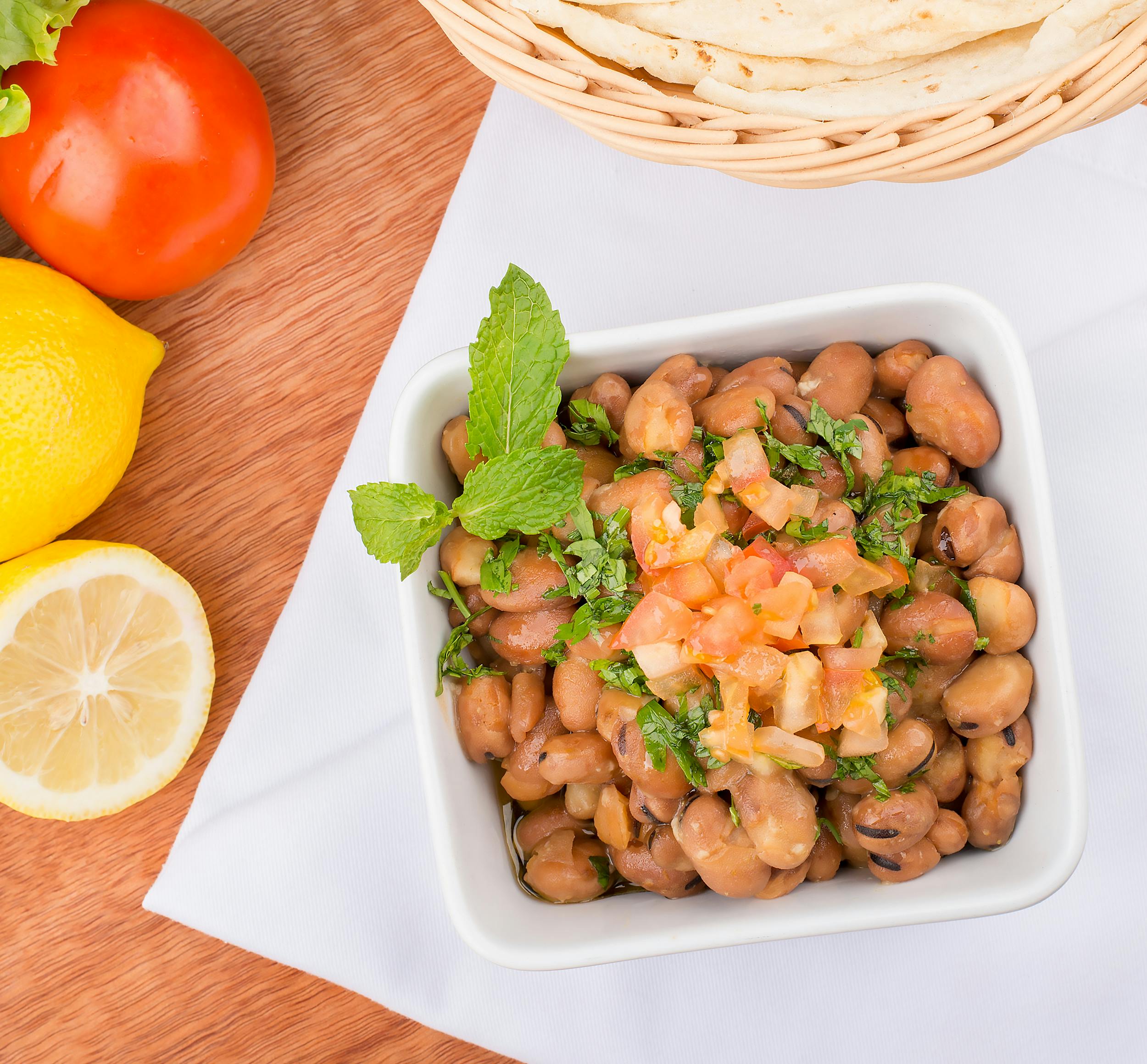
Black-Eyed Peas or Cowpeas
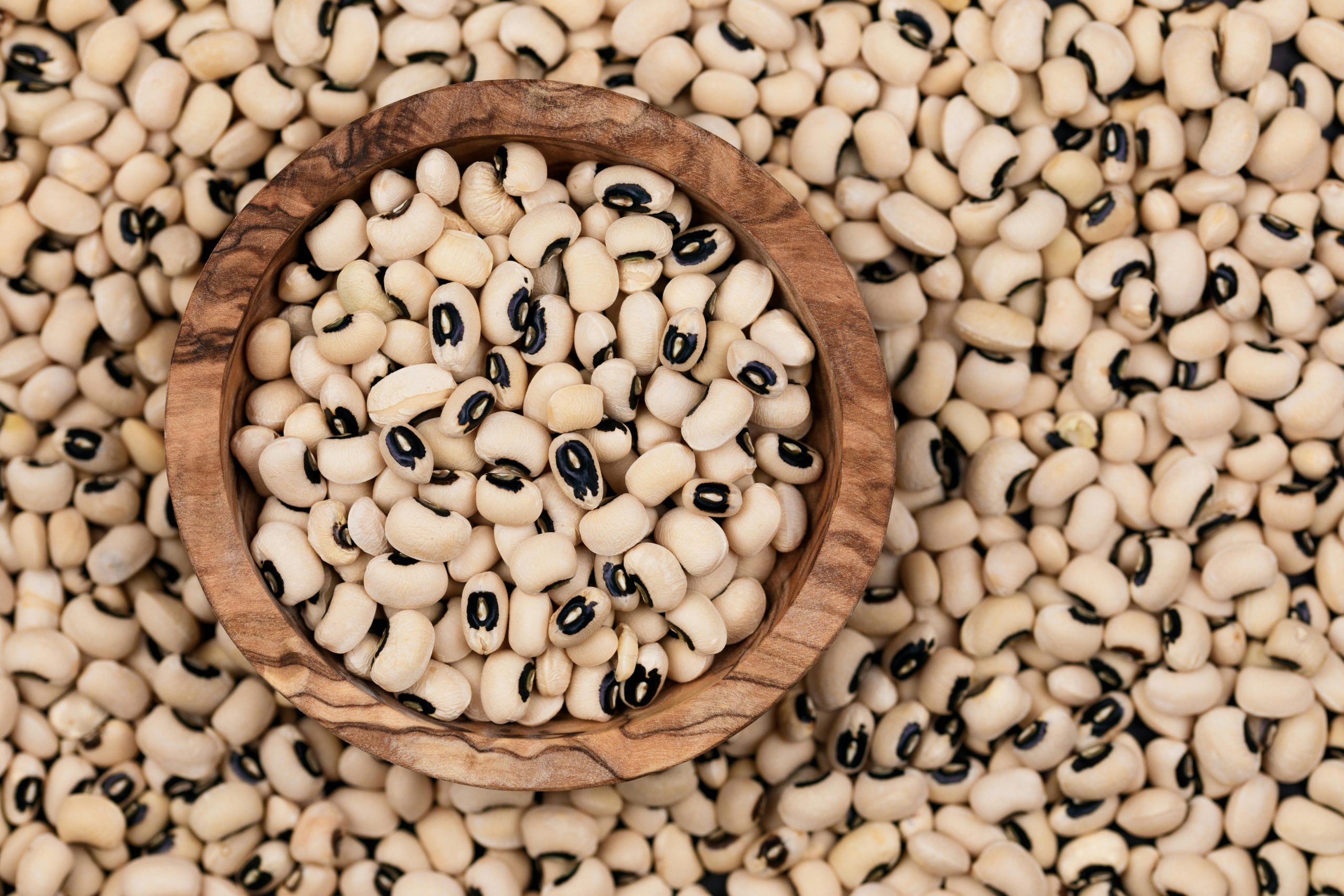
Cowpeas, also known as Black-Eyed Peas, locally known as Bodi in Nepal, are a vital, protein-rich legume cultivated primarily as a rotation crop in rainfed conditions to improve soil quality. They are a staple in Nepali kitchens, often consumed as a dry pulse or fresh green bean, and are a key component of sustainable agriculture, fixing atmospheric nitrogen for companion crops.
Cowpeas are grown across the Terai, Inner Terai, and hill regions. They are frequently intercropped with maize or millet, or grown as a mono-crop after the rainy season.
Cowpeas are highly nutritious, low-fat legumes packed with plant-based protein, fiber, folate, iron, and potassium. They support heart health, aid digestion, assist in weight management, and help regulate blood sugar levels due to their low glycemic index.
The key benefits of Cowpeas include:
- High Protein & Nutrient Dense: Excellent source of plant protein for vegetarians, aiding muscle repair and providing sustained energy,
- Digestive Health: Rich in soluble and insoluble fiber, which aids digestion, promotes regular bowel movements, and supports gut health,
- Heart Health & Cholesterol Management: Cowpeas are rich in soluble fiber, potassium, and magnesium, which help lower “bad” LDL cholesterol and regulate blood pressure,
- Blood Sugar Regulation: Due to a low glycemic index, cowpeas prevent rapid blood sugar spikes, making them an ideal food for managing diabetes,
- Rich in Folate & Iron: High folate content is crucial for cell growth and fetal development, while iron helps prevent anemia,
- Antioxidant Properties: Contain antioxidants like flavonoids and polyphenols that help reduce inflammation and combat oxidative stress,
- Weight Management: They are high in plant-based protein and fiber, which increase feelings of fullness and reduce hunger-stimulating hormones like ghrelin,
- Pregnancy Support: They provide high levels of folate (Vitamin B9), essential for DNA synthesis and preventing fetal defects during pregnancy,
- Bone Strength: Essential minerals like calcium, phosphorus, and magnesium contribute to overall bone density and health,
- Sustainable Agriculture: As a cover crop, they fix nitrogen in the soil and are drought-tolerant, making them eco-friendly,
- Hair Growth: Rich protein levels support stronger hair follicles and reduce hair loss.
Where is it used?