Green Grams
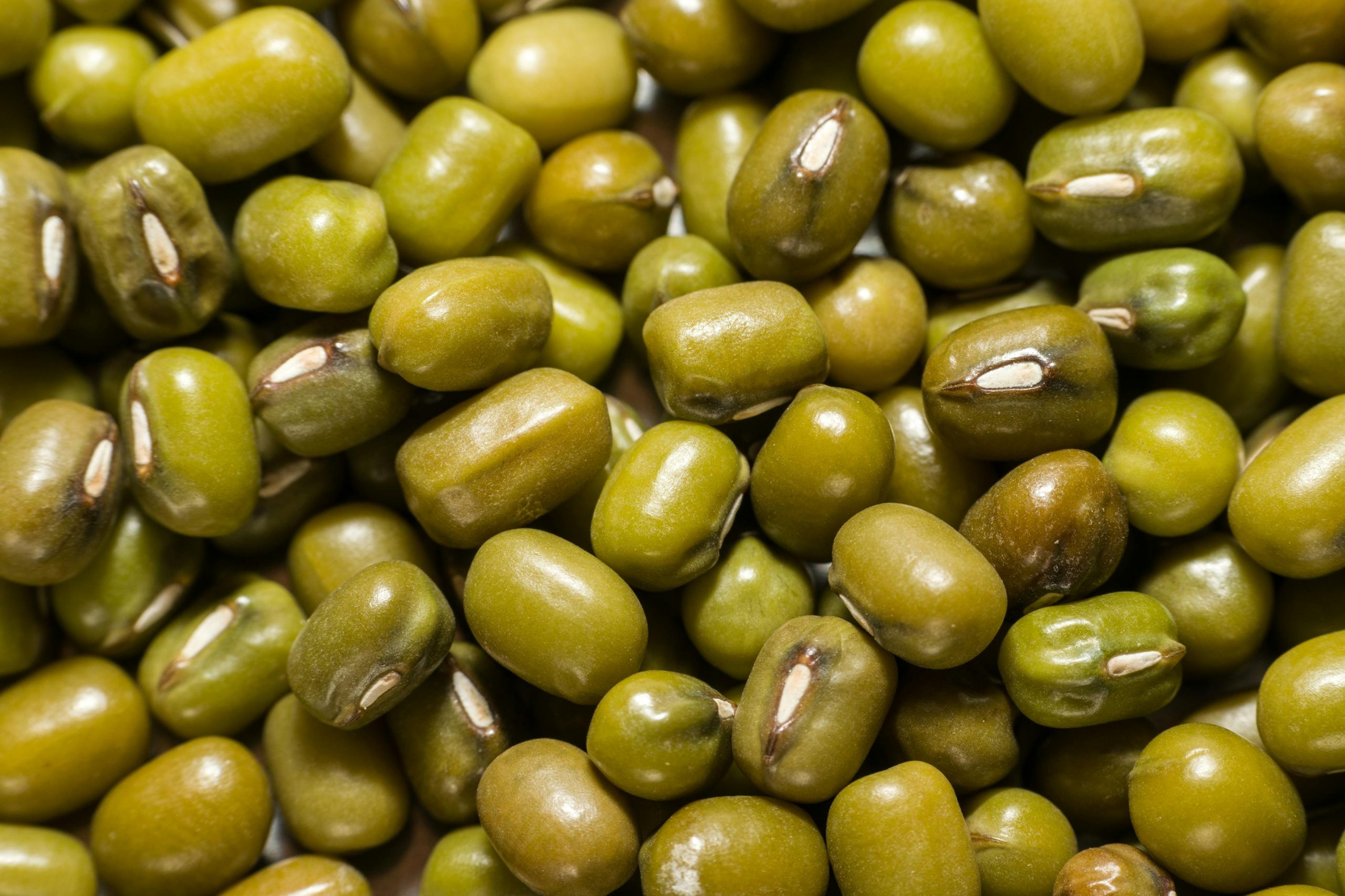
Green Grams, commonly known as Mung Geda (whole) or Mung Daal (split) in Nepal, are highly nutritious legumes widely cultivated in the Terai region. They are valued as a “transitional crop” planted between wheat and rice seasons to improve soil health and provide additional income for farmers. Commonly used in Dal Bhat, soups, salads, and snacks like Mung Dalmoth.
Green Grams are nutrient-dense legumes that offer extensive health advantages ranging from heart health to weight management. They are considered a “superfood” in both modern nutrition and traditional Ayurvedic medicine due to their high protein content and easy digestibility.
The key benefits of Green Grams include:
- Heart Health: Green grams are rich in potassium, magnesium, and fiber, which help regulate blood pressure and reduce bad cholesterol (LDL),
- Weight Management: High protein and fiber content promote satiety (feeling full), reducing overall calorie intake,
- Digestive Health: They are easily digestible and contain soluble fiber (like pectin), which aids in digestion and prevents constipation,
- Blood Sugar Regulation: With a low glycemic index, they are an excellent food for managing diabetes and stabilizing blood sugar,
- Healthy Pregnancy: One cup provides roughly 80% of the recommended daily intake of folate, which is essential for fetal development and preventing neural tube defects,
- Nutrient-Dense: They provide essential nutrients including iron, zinc, and B vitamins, particularly folate, which is vital during pregnancy,
- Antioxidants & Immunity: Rich in phenolic acids, flavonoids, and vitamins C and E, they help fight oxidative stress and boost immunity,
- Skin & Hair: Vitamins A and C, along with minerals like zinc, help maintain skin elasticity and promote hair growth from within.
Where is it used?