Chickpeas

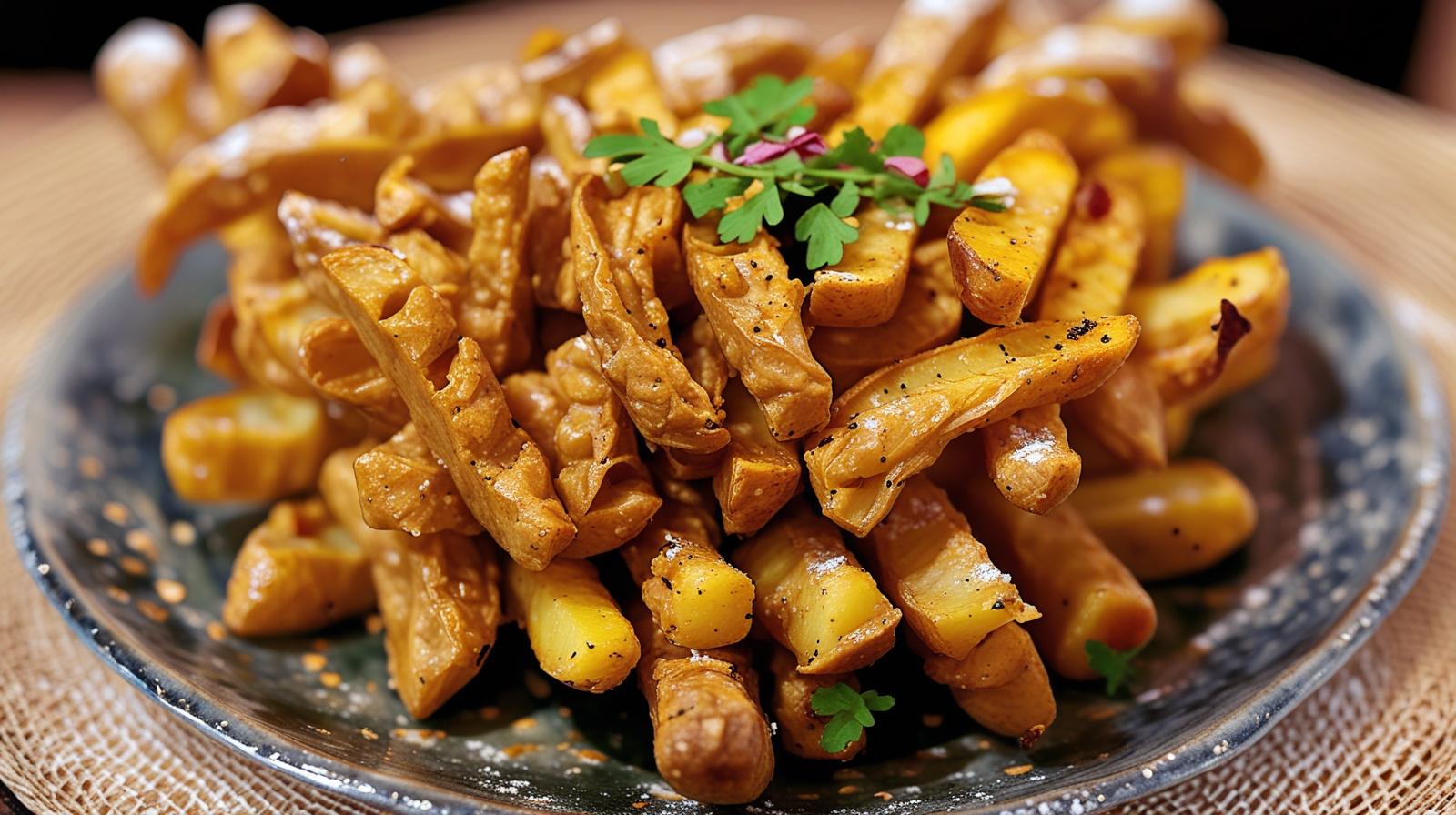
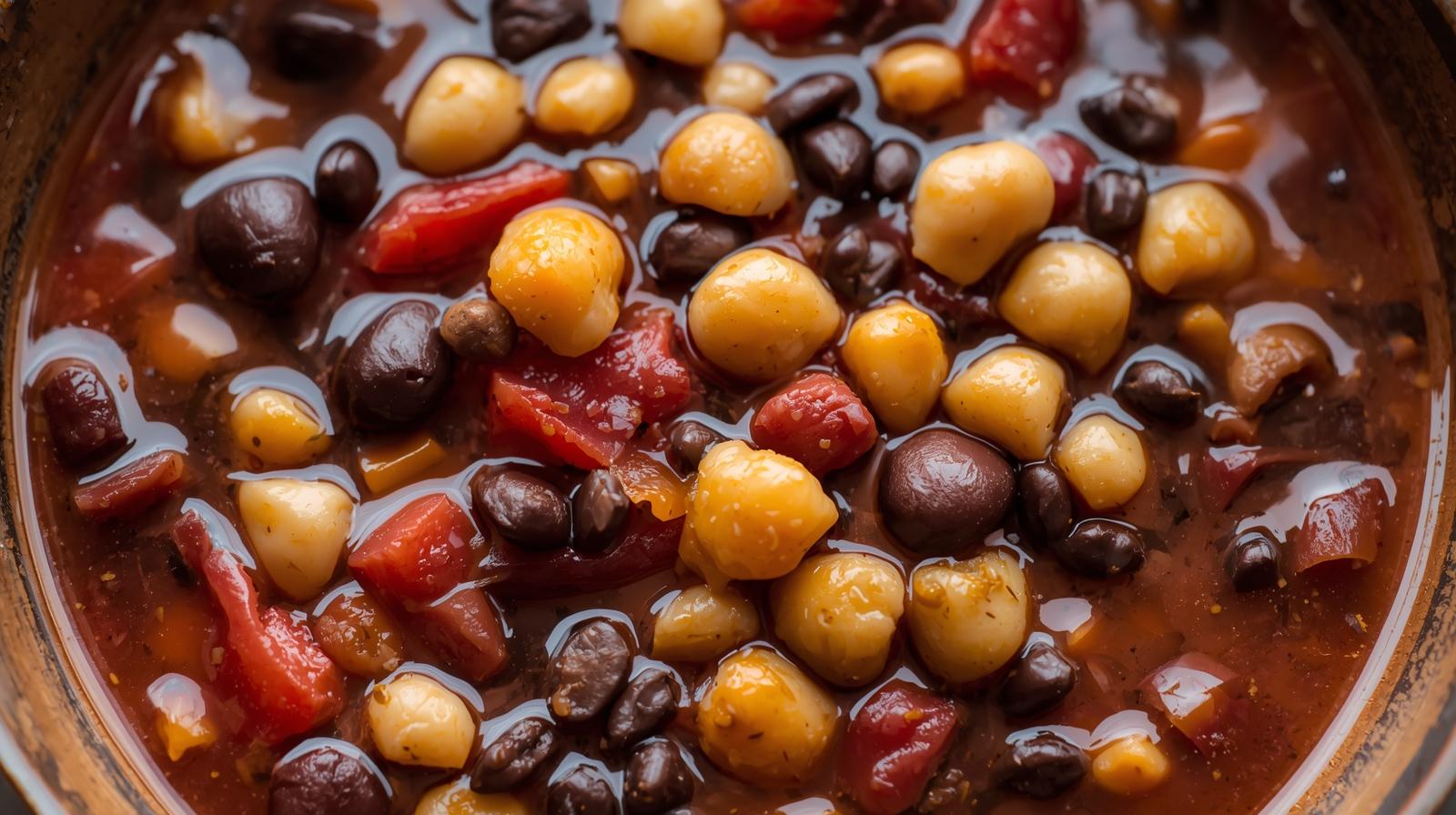
Chickpeas, locally known as Chana or Kabuli Chana, are a vital, protein-rich staple in Nepal, often grown in the Terai as an intercrop with maize or rice. Commonly consumed as roasted snacks (Bhuteko Chana) or in curries (Chana ko Tarkari), they are widely available.
Chickpeas are a highly nutritious, budget-friendly legume packed with plant-based protein, dietary fiber, and essential minerals like iron, phosphorus, and potassium. They support digestive health, heart health, aid in weight management, and help regulate blood sugar levels.
The key benefits of Chickpeas include:
- Supports Weight Management: High in fiber and protein, which increase satiety and can reduce overall calorie intake,
- Regulates Blood Sugar: Chickpeas have a low glycemic index (GI), meaning they cause a steady rise in blood sugar rather than a spike. The fiber and protein slow down carbohydrate absorption, which is particularly beneficial for managing type 2 diabetes,
- Improves Digestive Health: High fiber content helps promote healthy gut bacteria, improves digestion, and helps with regularity,
- Heart Health: They are a great source of magnesium and potassium, which help manage blood pressure. Their soluble fiber also helps lower “bad” LDL cholesterol and total cholesterol, reducing the risk of heart disease,
- Rich in Plant-Based Protein: An excellent protein source for vegetarians and vegans, containing all essential amino acids except sulfur-containing ones,
- Brain & Mental Health: Chickpeas contain choline, which is essential for brain function and producing neurotransmitters for memory and mood. They also provide magnesium, zinc, and selenium, which may protect against anxiety and depression,
- Bone Health: Provide essential minerals for bone strength, including calcium, magnesium, and phosphorus,
- Iron Deficiency Prevention: Chickpeas make them an excellent choice for preventing anemia, especially for those on plant-based diets.
Where is it used?