Saffron
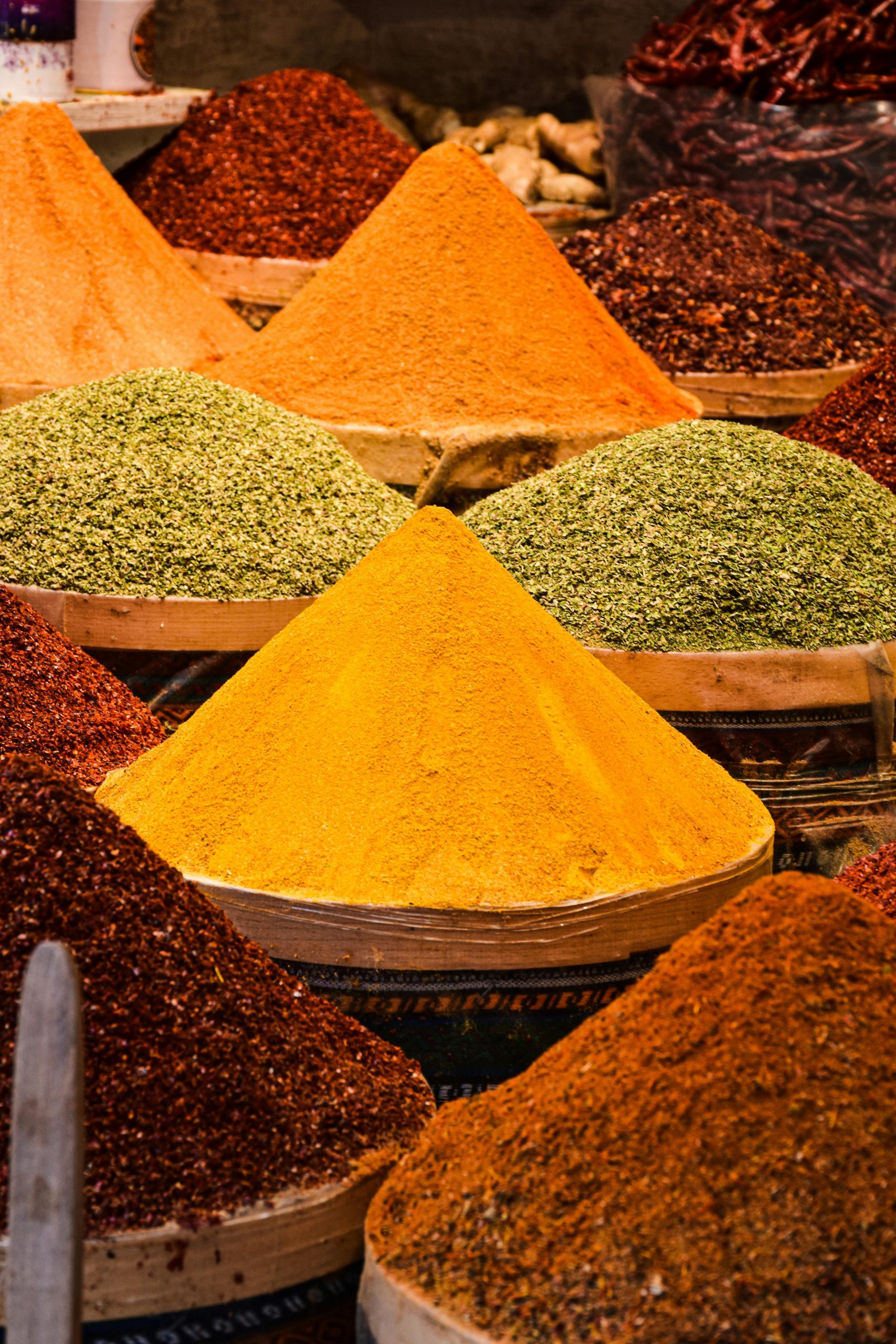
Saffron, often called “red gold”, in Nepal (known as Kesar) is available through high-quality imports (mostly Iranian or Indian). Commercial cultivation of saffron is emerging in Nepali regions such as Jumla, Makawanpur, and Ilam, demonstrating the potential for domestic production. In Nepal, corms are typically planted in September, flowers are harvested in November, and corms are lifted for storage in April.
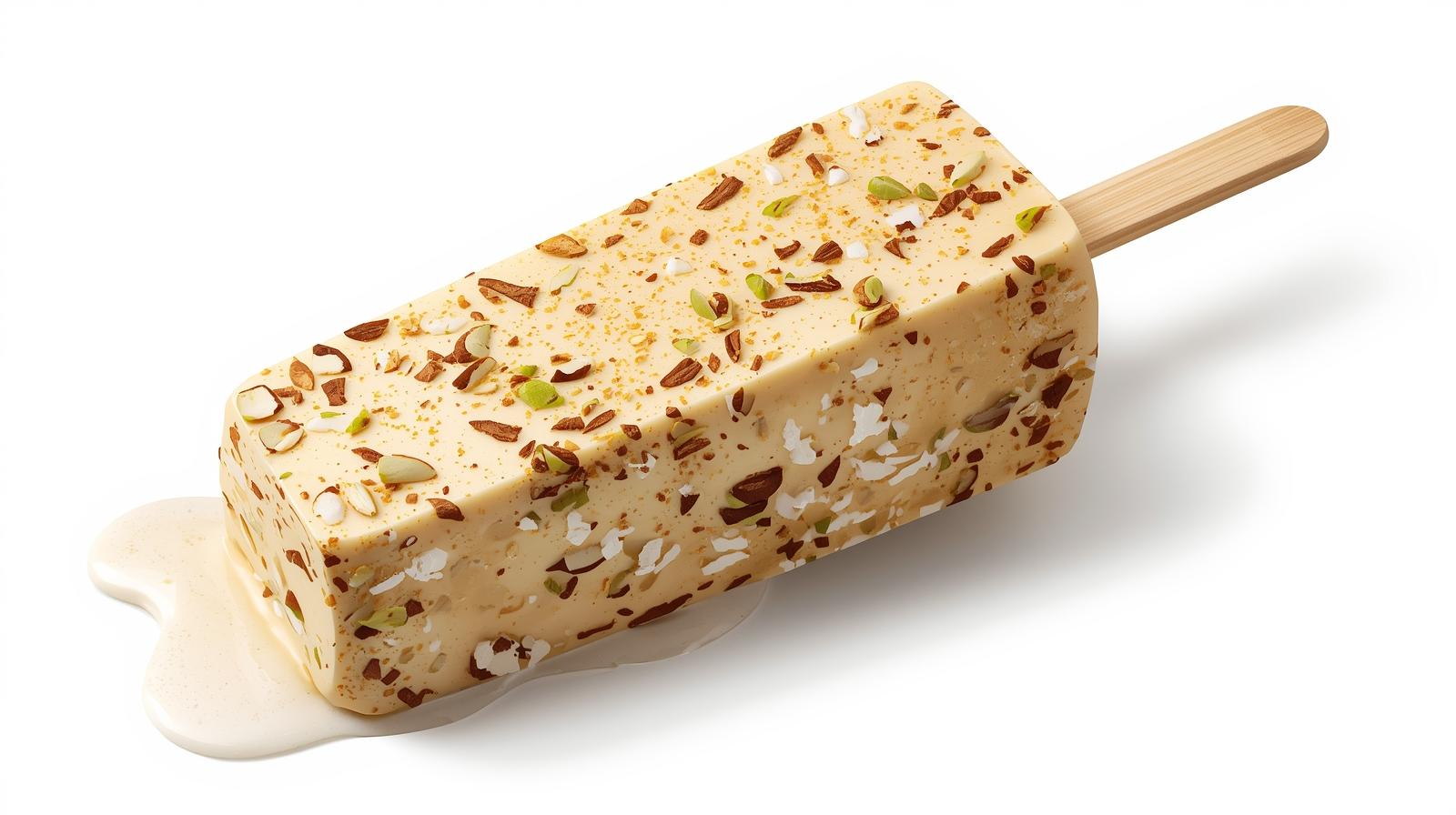
Saffron is used in festive dishes, rice preparations, and sweets like Kheer or Kulfi, often infused in warm liquids to release flavor and color. It is also used in Ayurveda and daily teas for its aroma and health benefits.
Saffron is a potent spice rich in antioxidants (crocin, crocetin, safranal) and anti-inflammatory properties that offers significant health benefits, including improved mood, enhanced cognitive function, and potential support for eye health (macular degeneration). It also acts as a natural antidepressant, helps reduce PMS symptoms, supports weight management by curbing appetite, and may boost libido.
The key benefits of Saffron include:
- Mood Enhancement & Depression: Studies suggest saffron can be as effective as some antidepressants in treating mild-to-moderate depression, helping to boost mood and reduce anxiety,
- Powerful Antioxidant Properties: Saffron contains high levels of flavonoids and antioxidants that protect cells against oxidative stress and free radicals,
- Heart Health: Its antioxidants may help lower “bad” LDL cholesterol and improve blood circulation,
- Eye Health Improvement: Regular consumption has been linked to improved vision, contrast sensitivity, and better outcomes in age-related macular degeneration (AMD),
- Weight Loss & Appetite Control: Saffron extract may help reduce snacking frequency and increase satiety, aiding in weight management,
- Cognitive Function & Memory: It shows promise in improving memory and supporting cognitive function in Alzheimer’s patients,
- Anti-inflammatory & Disease Prevention: Its anti-inflammatory properties may help reduce chronic inflammation,
- PMS & Menstrual Cramps: It is often used to alleviate PMS symptoms and soothe stomach ailments,
- Natural Glow: Antioxidants nourish the skin from within, promoting a radiant complexion,
- Hyperpigmentation: Saffron naturally inhibits tyrosinase, an enzyme responsible for melanin production, helping to fade dark spots and even skin tone,
- Anti-Aging: Its ability to fight free radicals helps reduce the appearance of fine lines and wrinkles,
- Acne Treatment: Its antibacterial and anti-inflammatory properties help soothe irritated skin and limit breakouts.
Pregnant individuals should avoid high doses as they may cause uterine contractions and increase miscarriage risk.
Saffron may interact with medications for high blood pressure or diabetes.
Where is it used?