Rice
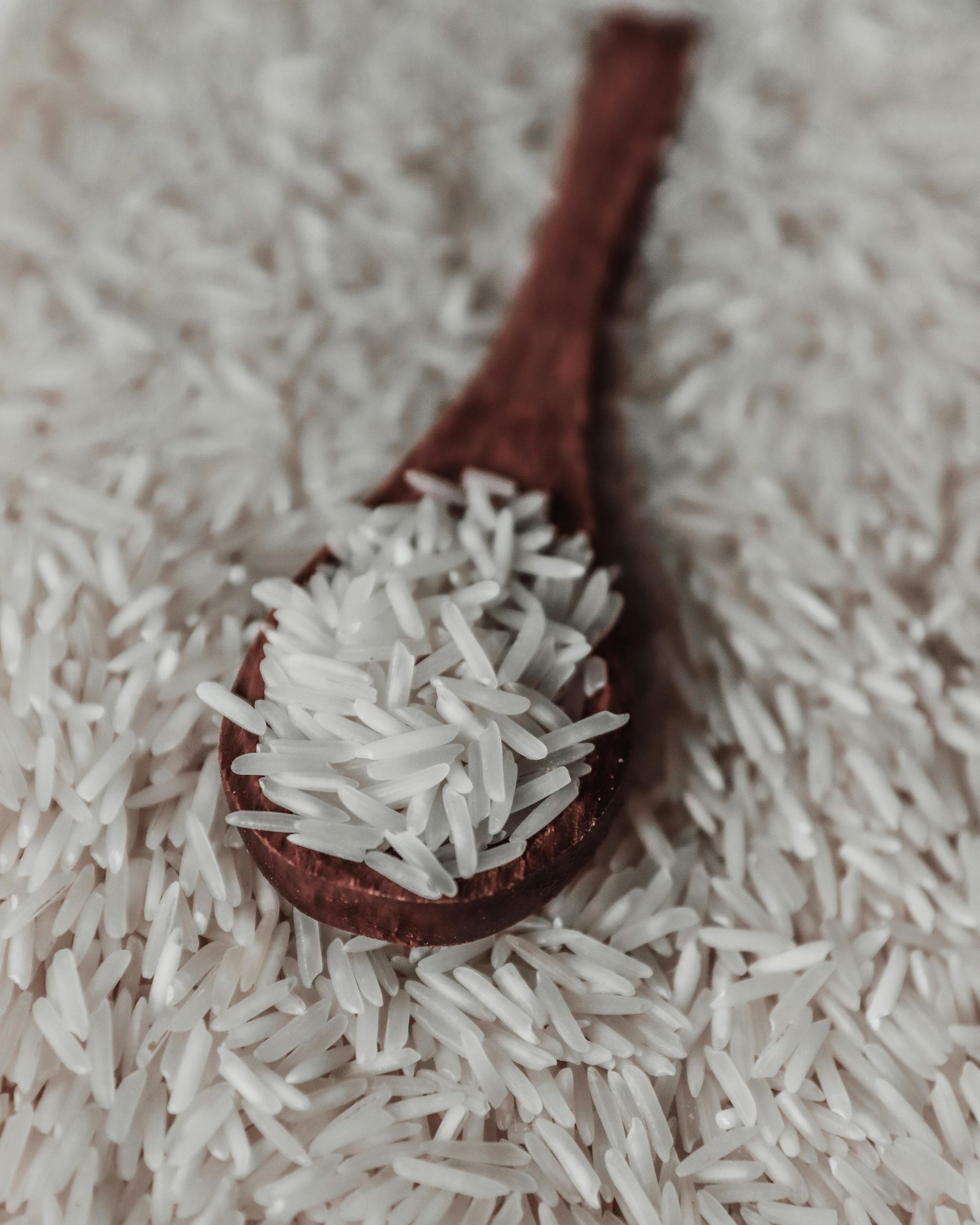
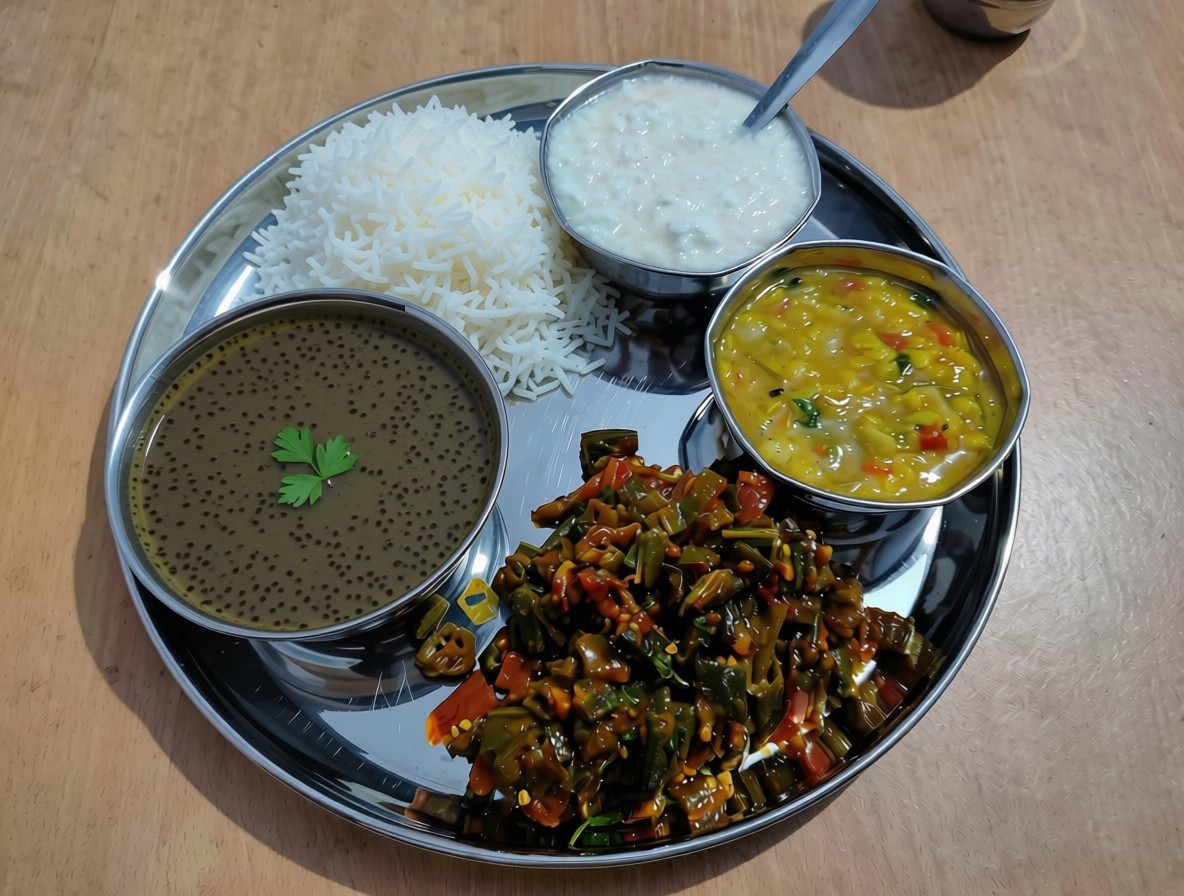
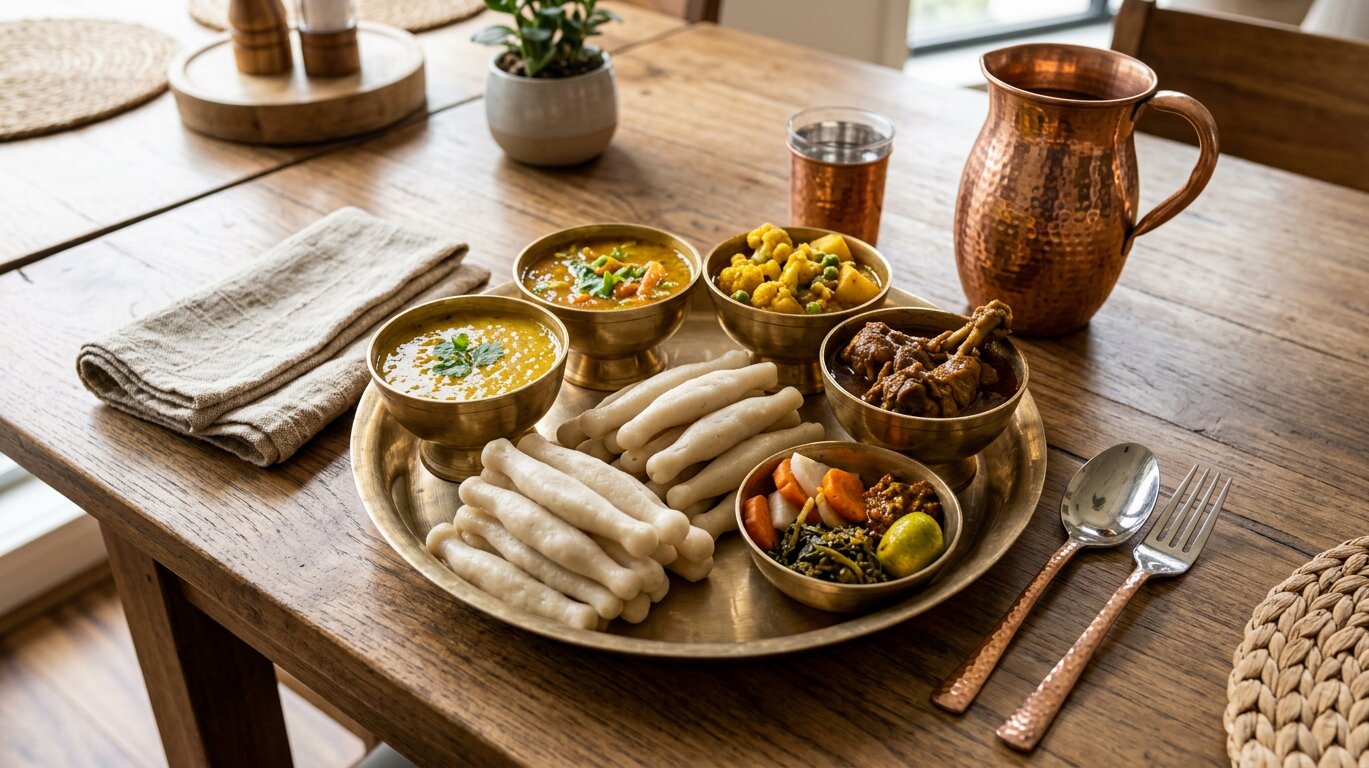
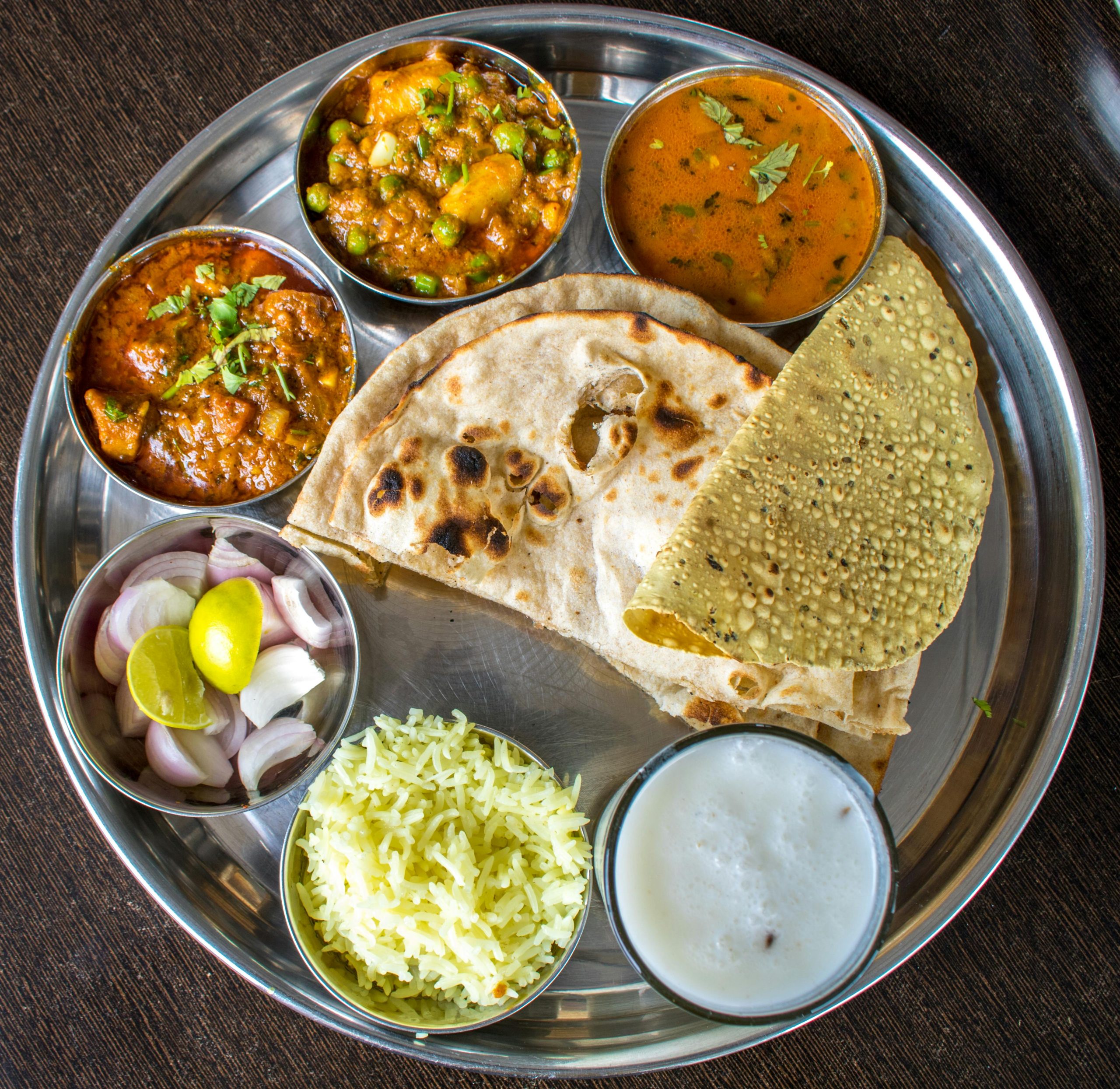
Rice is the fundamental staple food in Nepal, integrated into daily life through the traditional Dal Bhat meal and significant cultural ceremonies like the Rice Feeding Ceremony (Pasni). Rice provides nearly 50% of total cereal calorie consumption for the population.
Rice is a versatile, nutrient-dense staple providing quick energy through carbohydrates, essential B vitamins, and minerals like magnesium and iron. It supports digestion, is naturally gluten-free, and contributes to heart health, with brown rice offering high fiber for weight management and white rice providing easy digestibility.
The Nepali market offers a diverse range of rice, from aromatic long-grains to traditional highland varieties:
- Basmati Rice: Highly favored for its aroma and long grains, used for special occasions like Biryani and Pulao,
- Jeera Masino: A popular daily-use variety known for being aromatic and fluffy,
- Jumla Marsi: A unique red rice grown in high-altitude regions like Jumla, prized for its nutritional value,
- Taichin Rice: A glutinous (sticky) rice frequently used in Newari cuisine and for making Chiura (beaten rice),
- Sona Mansuli: A versatile, high-quality rice with fluffy grains, commonly used for daily meals,
- Pokhareli Jethobudho: A traditional aromatic variety primarily cultivated in the Pokhara valley.
The Terai region is the “granary” of Nepal, contributing roughly 73% of the total output, while the hills produce 24% and the high hills 4%.
The key benefits of Rice include:
- Energy Source: Rice is rich in complex carbohydrates, which the body breaks down into glucose for fuel. White rice provides a quick boost, while brown rice offers a more sustained release,
- Heart Health: Rice contains anti-inflammatory properties, with brown rice specifically helping to lower LDL cholesterol and blood pressure due to its fiber content,
- Digestive Health: Fiber-rich brown rice aids in digestion and prevents constipation. White rice is low in fiber and gentle on the stomach, making it ideal for those recovering from illness, nausea, or digestive flare-ups,
- Blood Sugar Regulation: Brown and wild rice have a lower glycemic index (GI) than white rice, meaning they cause a slower rise in blood sugar. Replacing white rice with brown may reduce the risk of type 2 diabetes,
- Gluten-Free: It is a safe and nutritious staple for individuals with celiac disease or gluten sensitivity,
- Weight Management: The fiber in whole-grain rice promotes satiety (feeling full), which can help reduce overall calorie intake and support weight loss efforts,
- Nutrient-Dense: Rice contains essential vitamins and minerals, including niacin, thiamine, folate, selenium, and magnesium,
- Rich in Antioxidants: Varieties like black rice are high in antioxidants (phenolic compounds) that reduce oxidative stress and protect against chronic diseases.
Where is it used?