Cinnamon
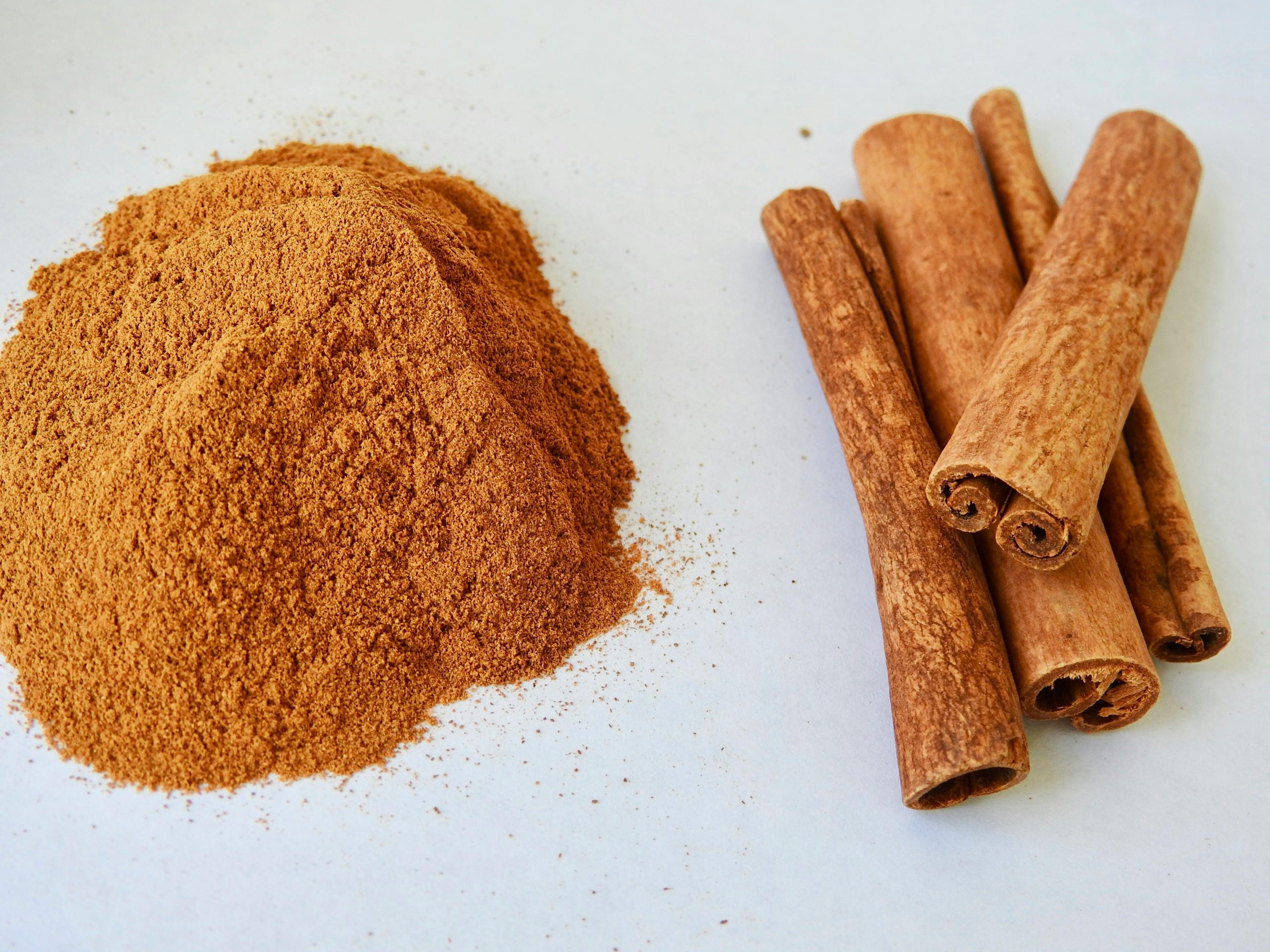
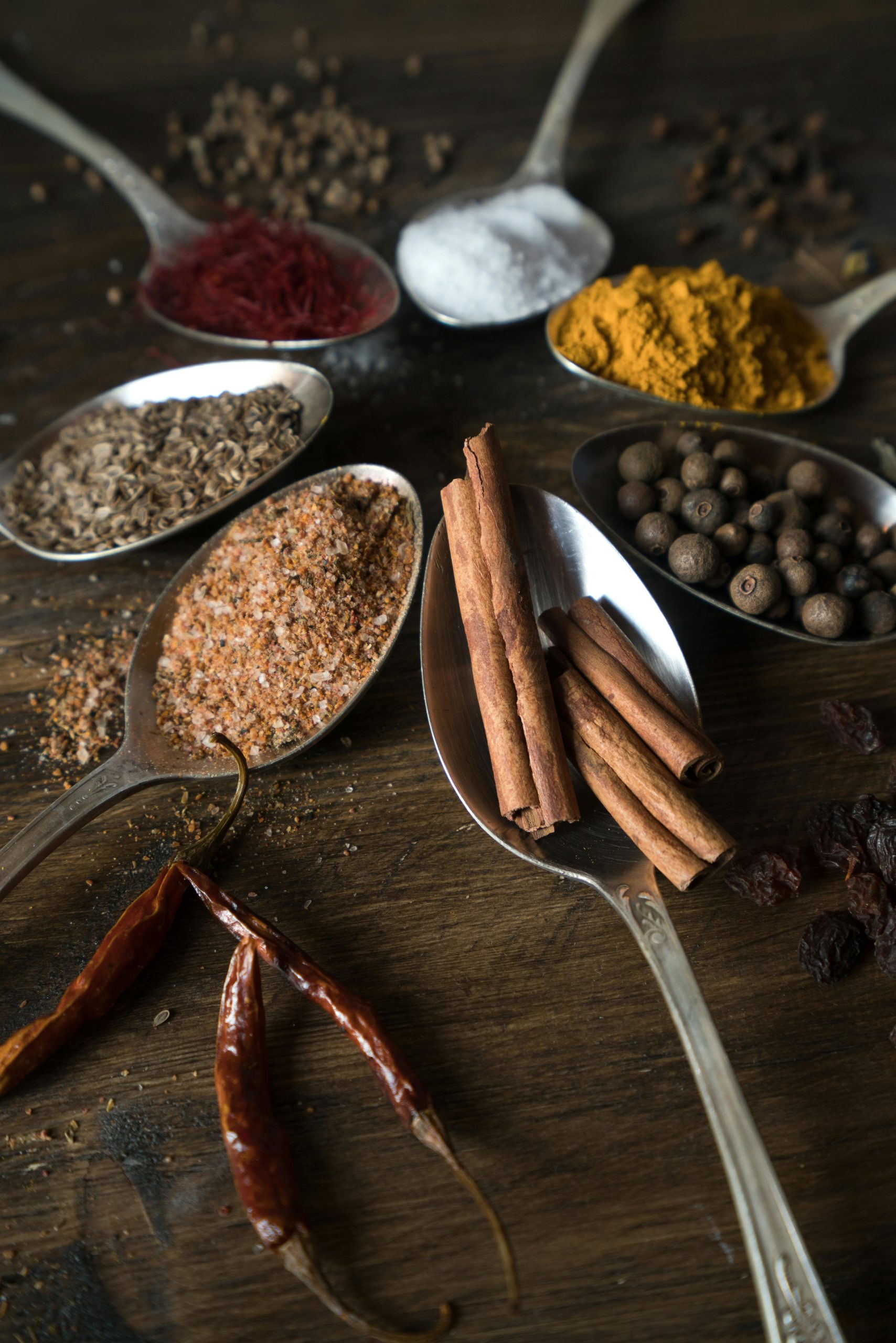
Nepal is a significant producer of Cinnamon, locally known as Dalchini (bark) and Tejpat (leaf). While it grows wild in many hilly regions, commercial cultivation is concentrated in the mid-hills, with the country exporting the majority of its harvest to India.
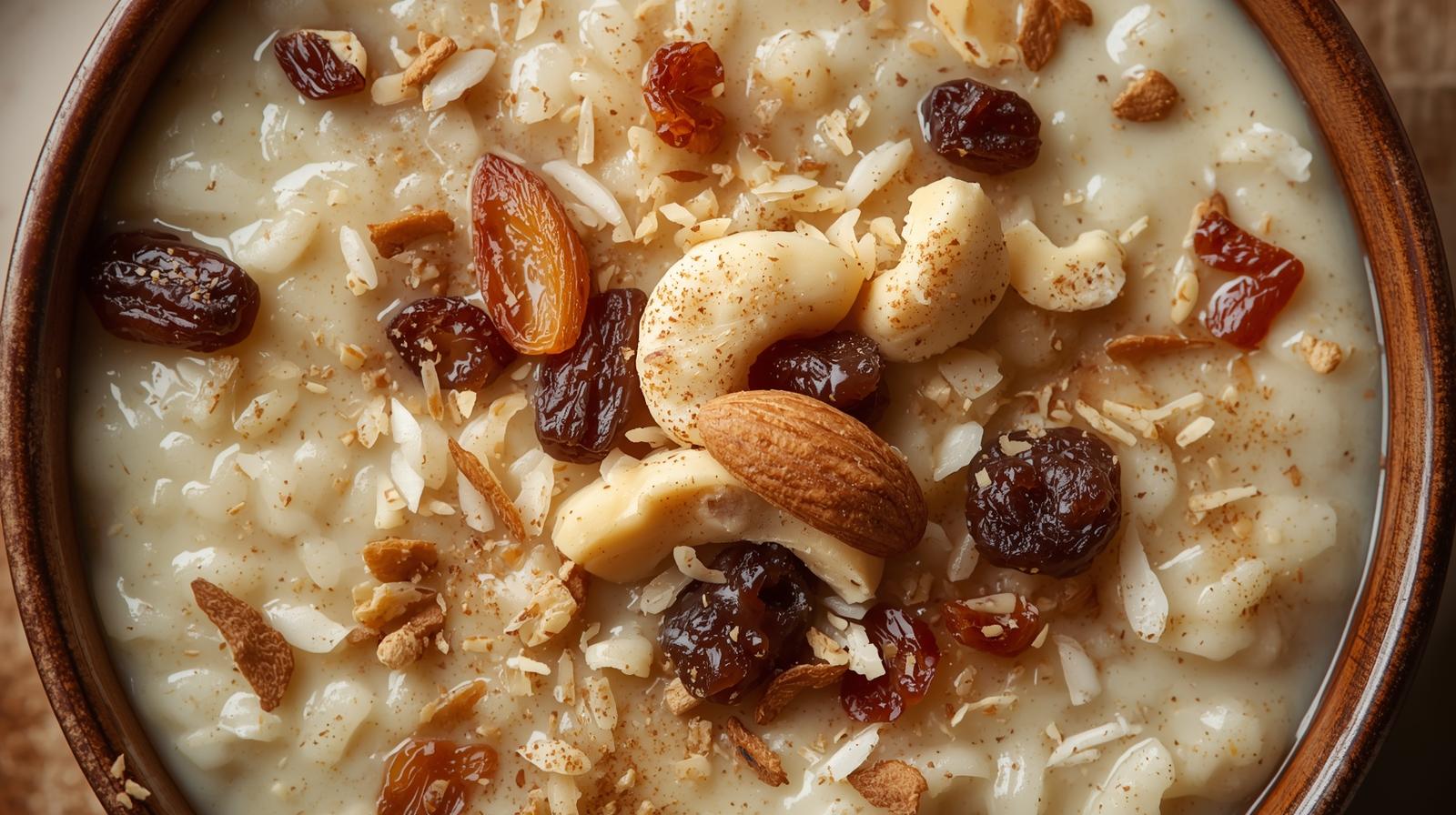
It is an essential flavoring for Nepali milky tea (Chiya), meat curries, and desserts like Kheer. Notably, it acts as a leavening agent in Sel Roti, providing fluffiness to the traditional rice-flour snack.
Used in Ayurveda to treat digestive issues, colds, and flu. It is often chewed with cloves and cardamom after meals as a palate cleanser.
Cinnamon leaf oil is commercially distilled in Nepal and used in pharmaceuticals, soaps, and dental care products.
The key benefits of Cinnamons include:
- Blood Sugar Management: Cinnamon improves insulin sensitivity and helps move glucose into cells, potentially aiding those with diabetes or metabolic syndrome,
- Rich in Antioxidants: It contains powerful polyphenol antioxidants, such as cinnamaldehyde, which fight oxidative stress and free radicals, acting as a natural preservative,
- Anti-inflammatory Properties: Regular, moderate consumption can reduce inflammation, potentially alleviating pain and swelling,
- Heart Health Support: Studies show it can help lower total cholesterol, LDL (“bad”) cholesterol, and triglycerides, while also helping to reduce blood pressure,
- Brain Health: Research suggests it may protect neurons against oxidative stress and block the buildup of proteins associated with Alzheimer’s and Parkinson’s disease,
- Antimicrobial Effects: Cinnamon has antifungal and antibacterial properties that may help fight infections.
Where is it used?