Star Anise
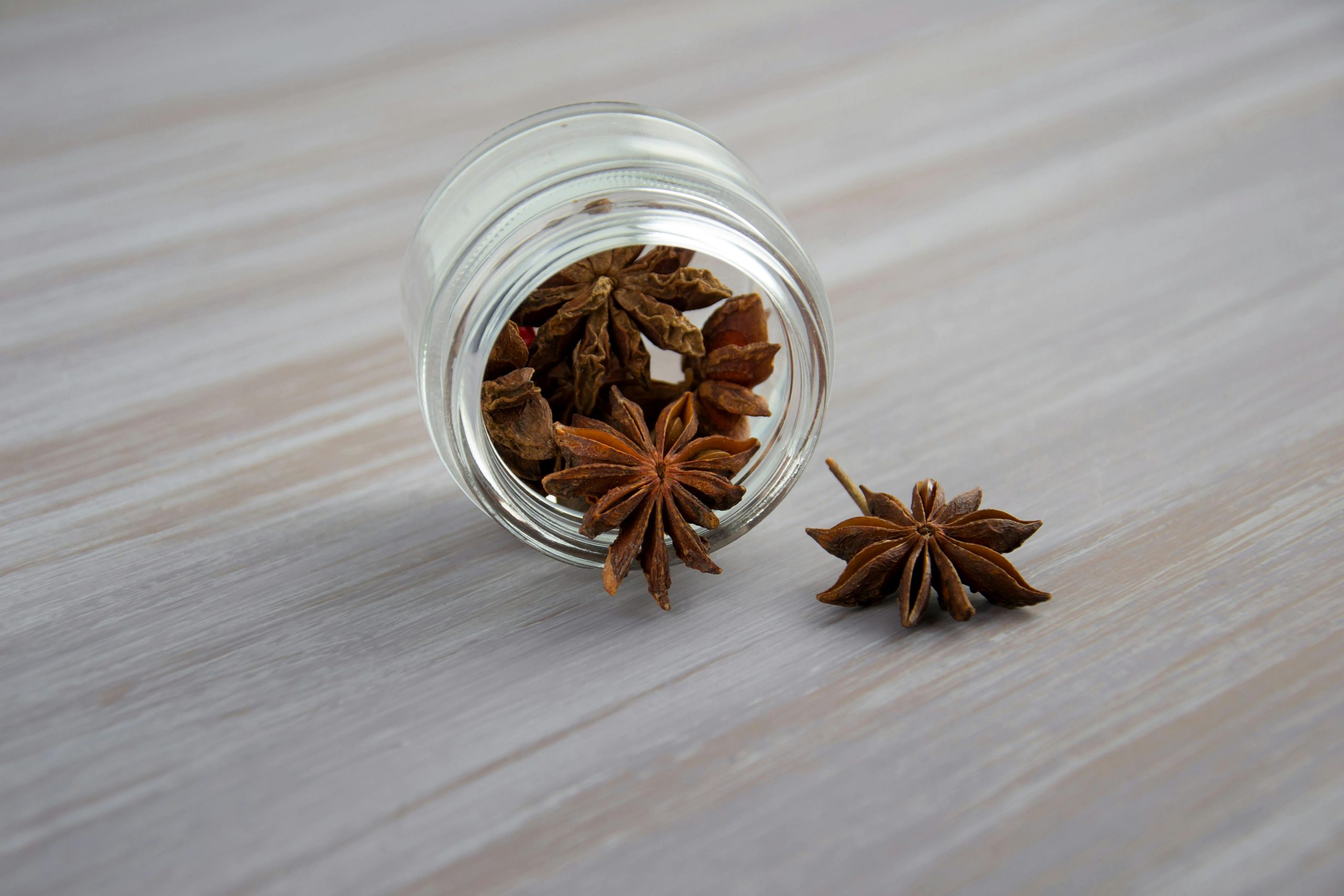
Star Anise, commonly known as Star Masala or simply Star in Nepal, is a popular aromatic spice used in biryanis, curries, and traditional meat dishes. While it is not yet commercially grown in Nepal, the country’s climate is considered suitable for its cultivation.
It is a key ingredient in meat curry, used with garam masala or meat masala, and is sometimes added to Sel Roti batter for a unique licorice-like aroma.
It is frequently used in tea and hot beverages for its warming effect.
Star Anise is a potent spice rich in shikimic acid, offering strong antiviral, antibacterial, and antifungal properties. It supports digestive health by reducing bloating and gas, provides antioxidants to fight inflammation, and helps relieve respiratory congestion. It is commonly used in teas, soups, and curries to boost immunity.
The key benefits of Star Anise include:
- Powerful Antiviral Capabilities: It is a primary source of shikimic acid, a key ingredient used to produce the antiviral drug Tamiflu. It has been shown to protect against the flu and other viral infections, such as herpes simplex type 1,
- Rich in Antioxidants: Star anise contains high levels of antioxidants, including linalool and quercetin, which help combat free radicals that contribute to chronic diseases like heart disease while slowing the signs of aging,
- Improves Digestive Health: Traditionally used to treat bloating, gas, indigestion, and constipation. It contains anethole, which helps relax the muscles of the digestive tract to ease cramping,
- Supports Respiratory Health: Acts as an expectorant, helping to loosen mucus and clear congestion. It is frequently used in traditional remedies for coughs, sore throats, and bronchitis,
- Antibacterial & Antifungal Properties: Studies indicate it can kill pathogenic bacteria and fight various fungal infections,
- Supports Heart Health & Metabolic Function: Some research suggests it can help manage blood glucose levels and reduce inflammation associated with metabolic syndrome,
- Hormonal Balance: It contains phytoestrogens that mimic estrogen, which may help alleviate menopausal symptoms like hot flashes and regulate menstrual cycles.
While generally safe in small amounts, it is recommended to limit intake.
Never consume Japanese star anise (Illicium anisatum), as it is highly toxic and can cause seizures or hallucinations. Always ensure you are using the culinary Chinese star anise.
Pregnant women and individuals with hormonal conditions should consult a doctor before using it regularly.
Avoid giving star anise tea to infants, as it has been linked to severe neurological symptoms and toxicity.
Some individuals may experience skin irritation or allergic reactions if they have sensitivities to related plants like fennel or celery.
Where is it used?