Chicken

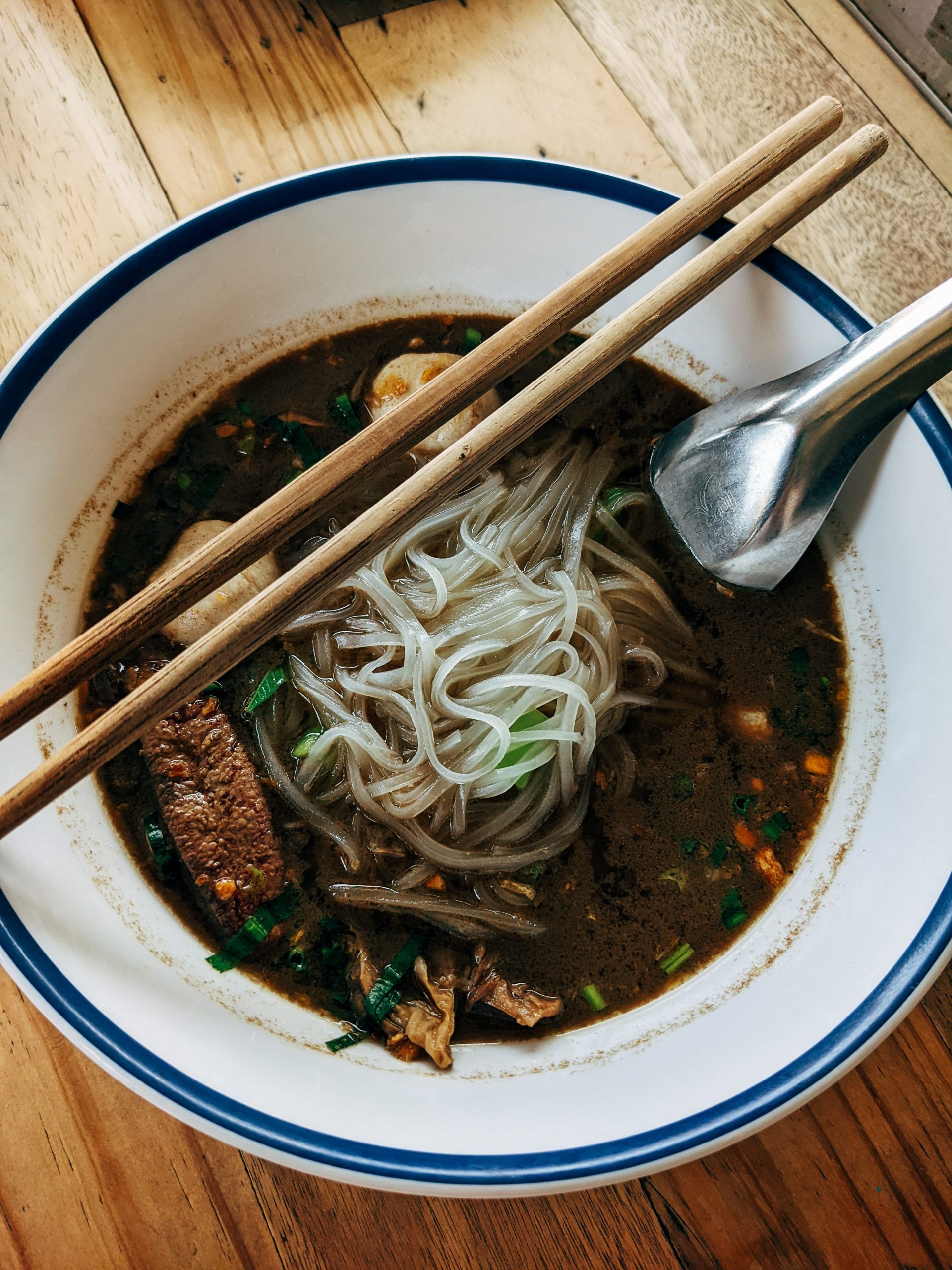
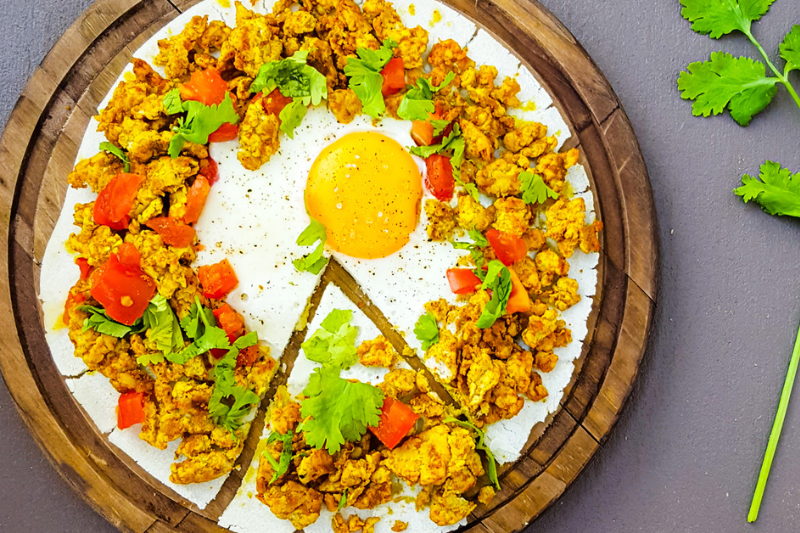
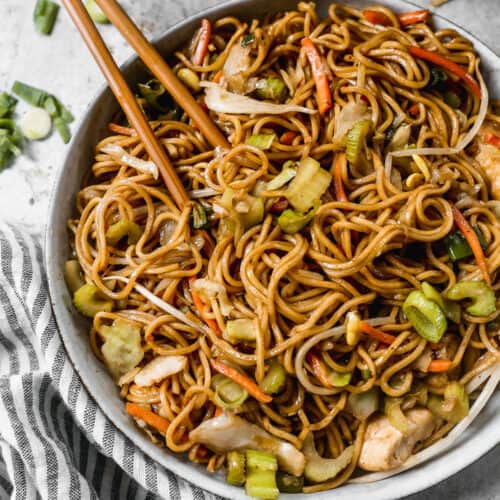
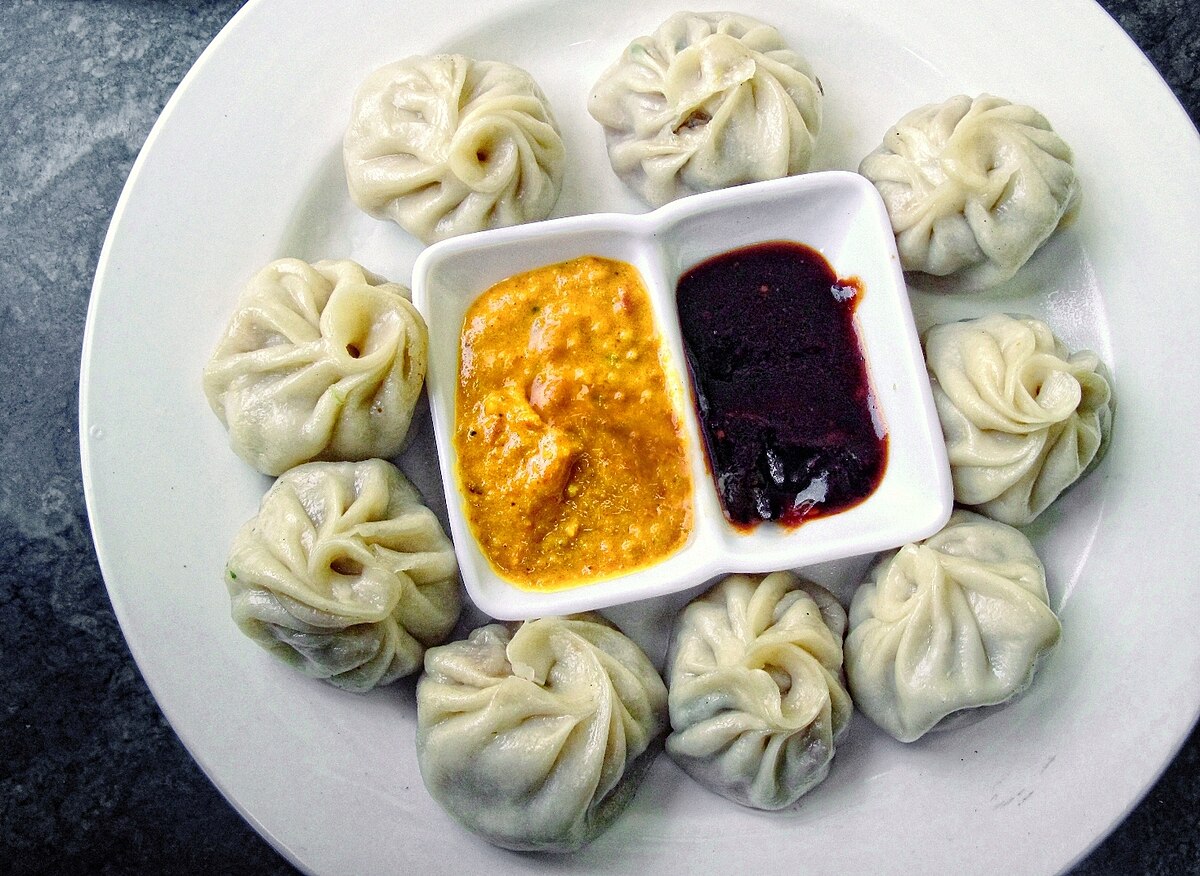
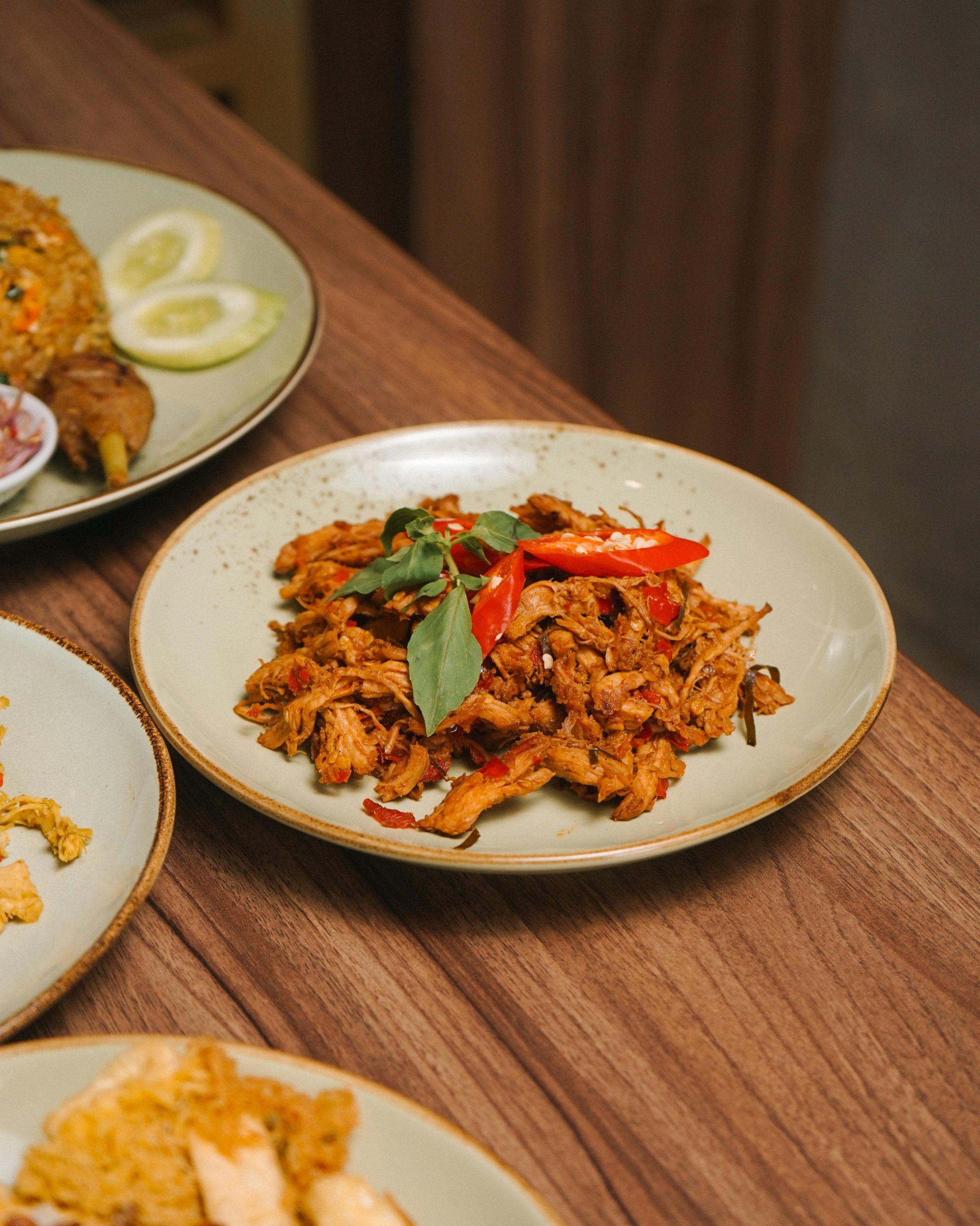
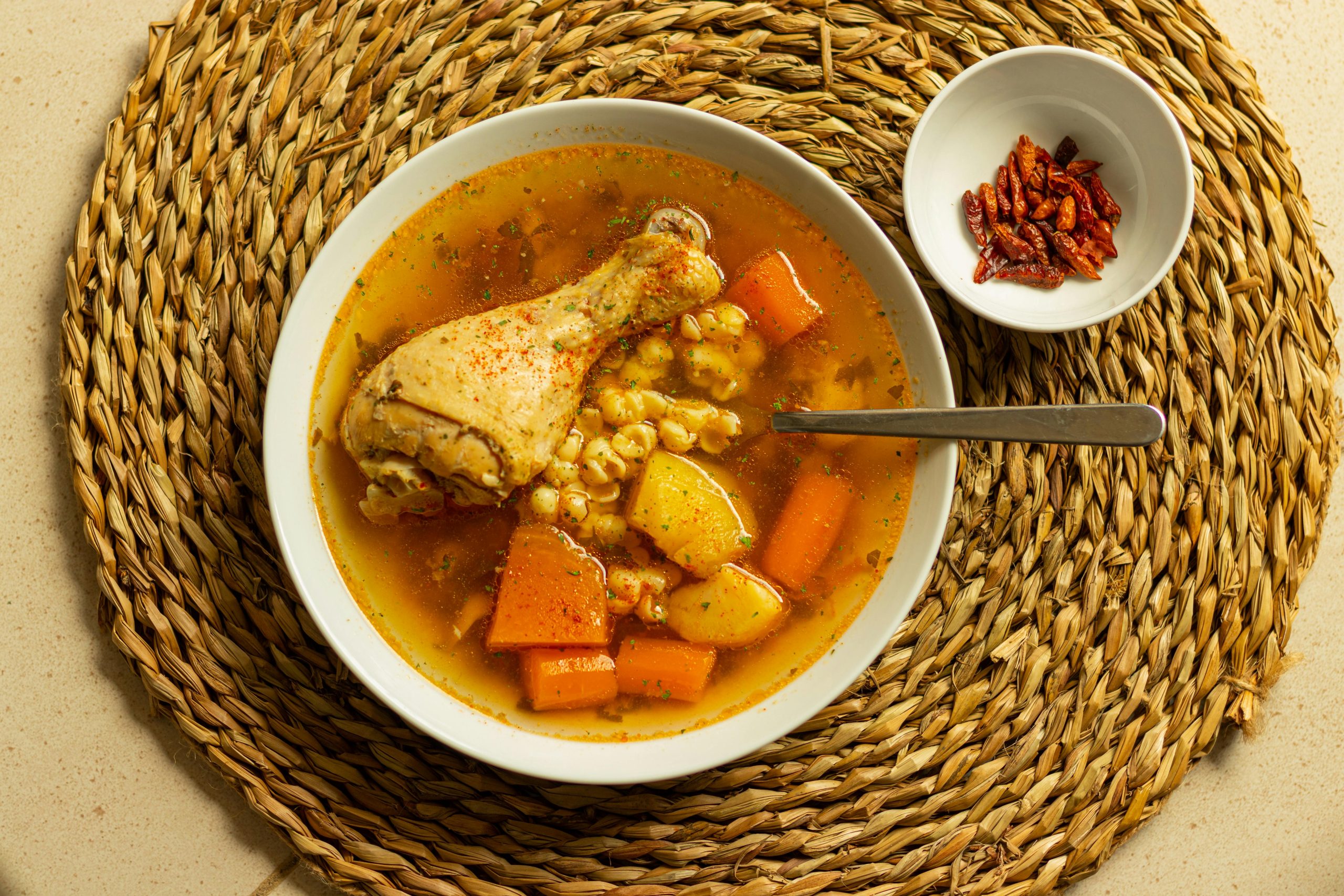
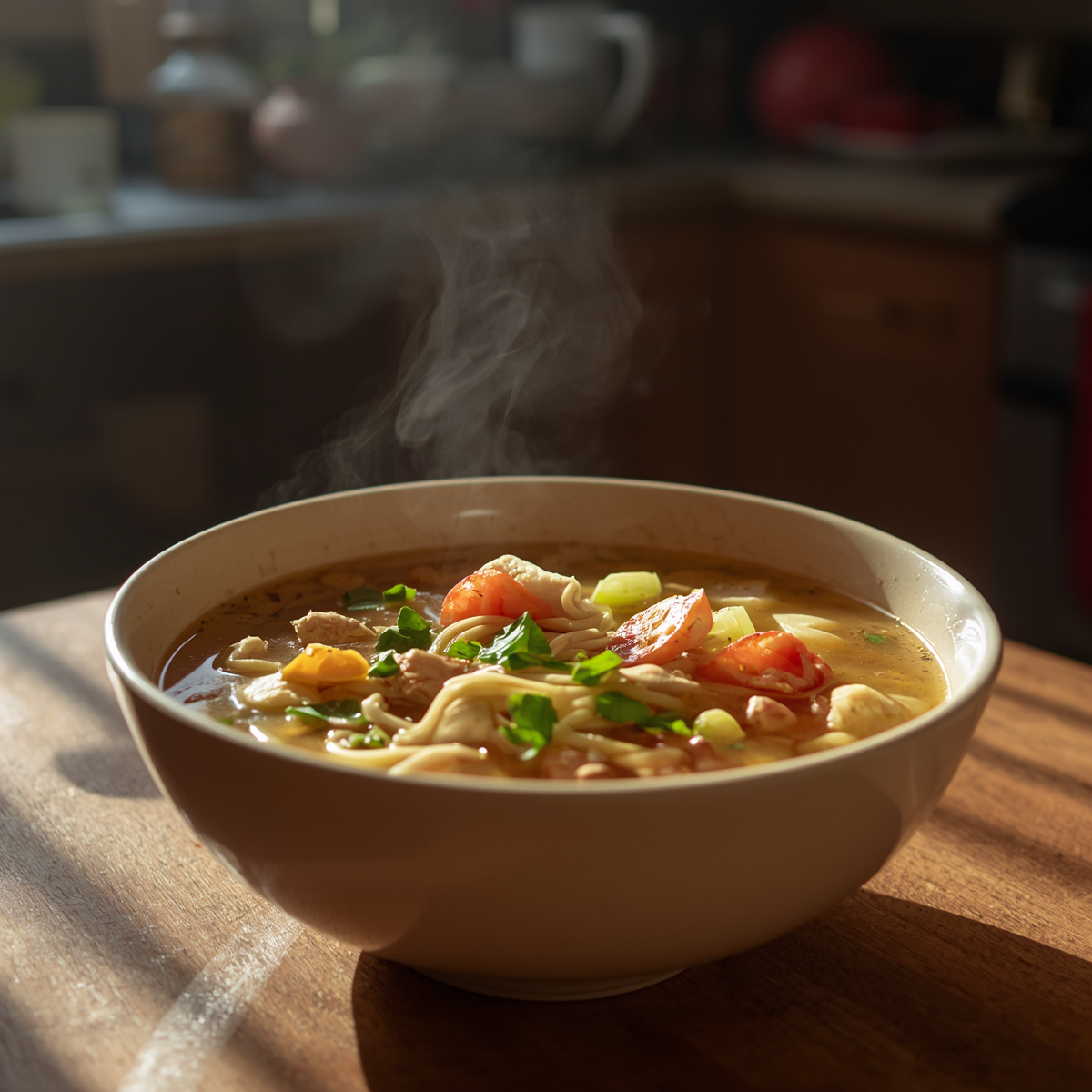
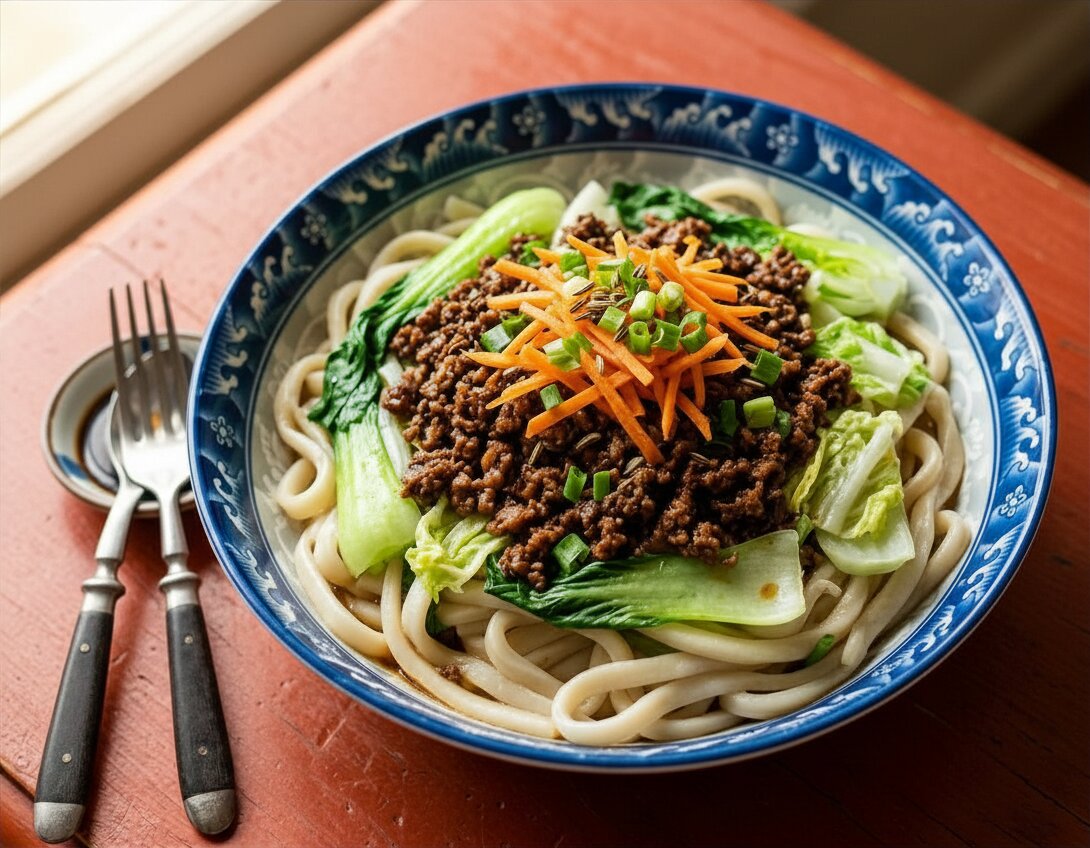
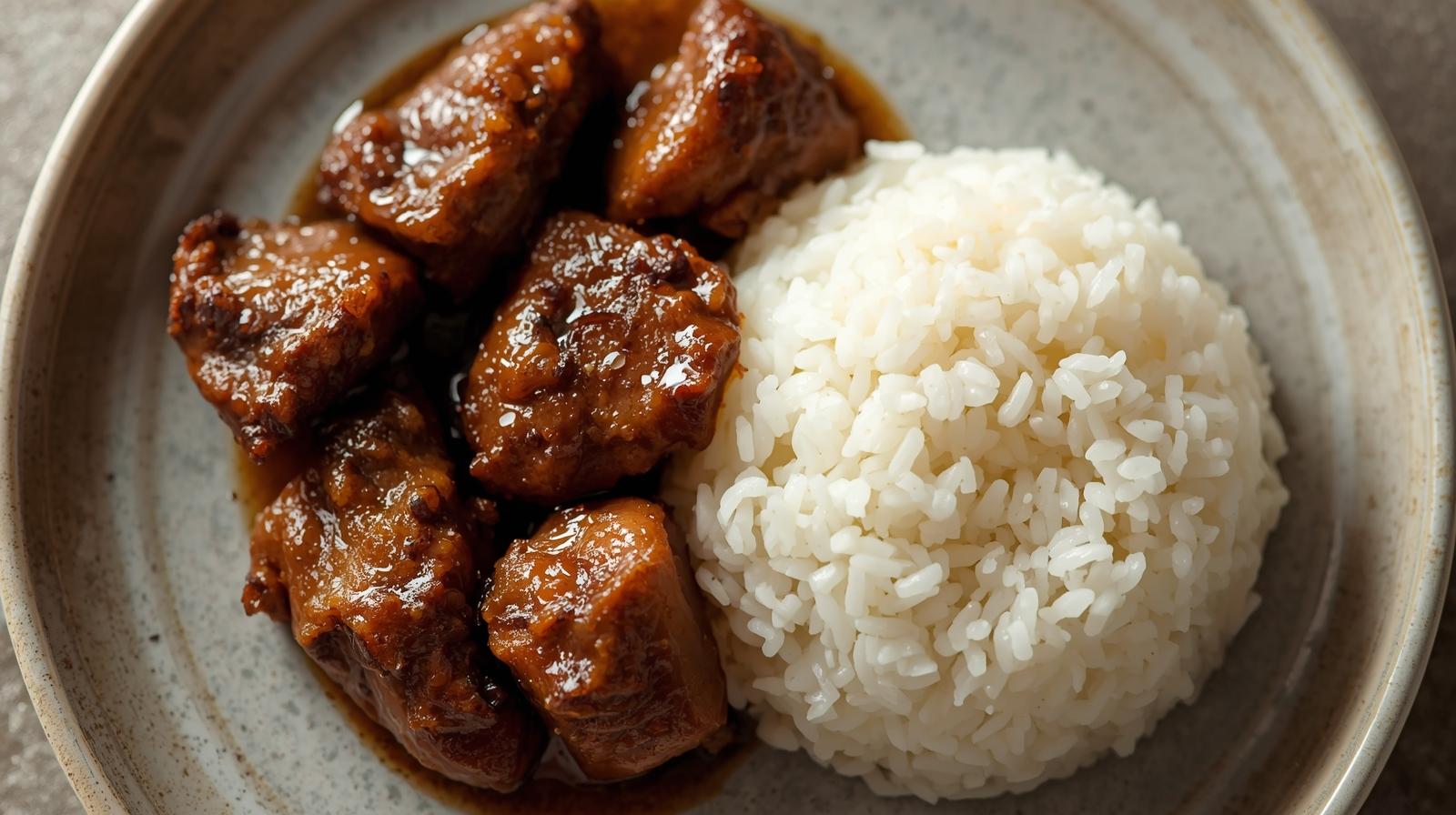
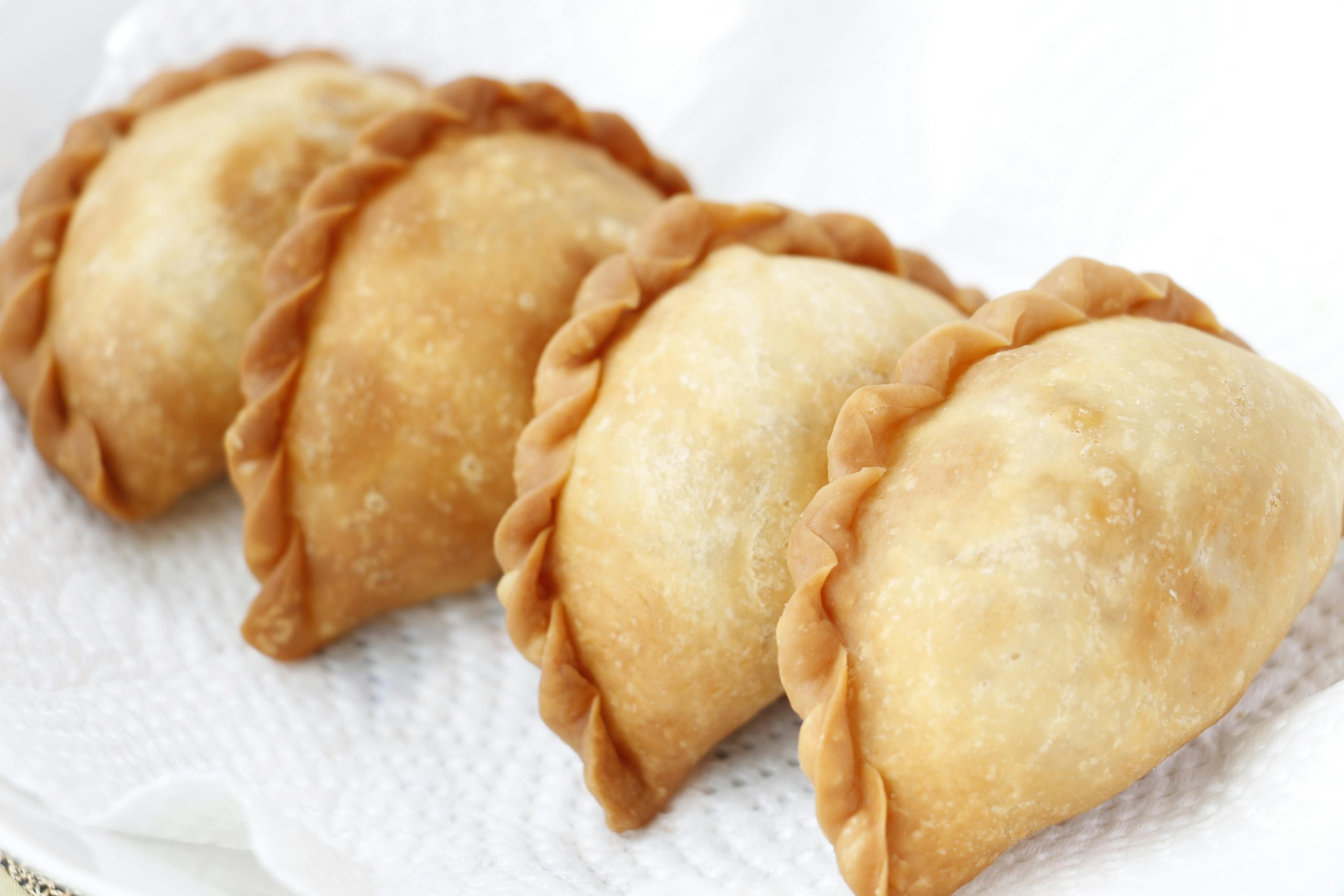
Chicken is a major, affordable protein source in Nepal.It is widely consumed, with popular local dishes including spicy chicken curry, Newari-style chicken choila, chicken momon or chicken sekuwa.
Chicken is a nutrient-dense, lean protein source that promotes muscle growth, aids in weight management, and supports heart health. It is packed with essential amino acids, B vitamins (B3, B6, B12), and minerals like phosphorus and selenium, which improve immunity and bone strength. Skinless chicken is low-fat and low-calorie. It is considered a “complete protein” because it contains all nine essential amino acids necessary for the body to build and repair tissues.
The key benefits of Chicken include:
- Muscle Maintenance & Growth: The dense protein content supports building lean muscle mass and maintaining muscle strength, especially important during aging,
- Weight Management: High protein intake increases satiety (fullness), which can reduce overall calorie intake,
- Heart Health: As a low-fat, low-cholesterol meat (especially skinless breast), it helps manage blood pressure and reduces the risk of heart disease compared to red meat,
- Bone Health: It contains essential minerals like phosphorus and calcium, which are vital for maintaining bone density and preventing conditions like osteoporosis,
- Immune System Boost: It is a good source of zinc and selenium, minerals that play a critical role in immune function and cellular repair,
- Brain Function & Mood: Chicken provides tryptophan, an amino acid used to produce serotonin (the “feel-good” hormone), and B vitamins (like B12) that support a healthy nervous system,
- Supports Cardiovascular Health: Contains Vitamin B12, which helps produce healthy red blood cells, reducing anemia risk.
Most of the fat in chicken is concentrated in the skin; removing it significantly lowers saturated fat intake.
Where is it used?