Fish
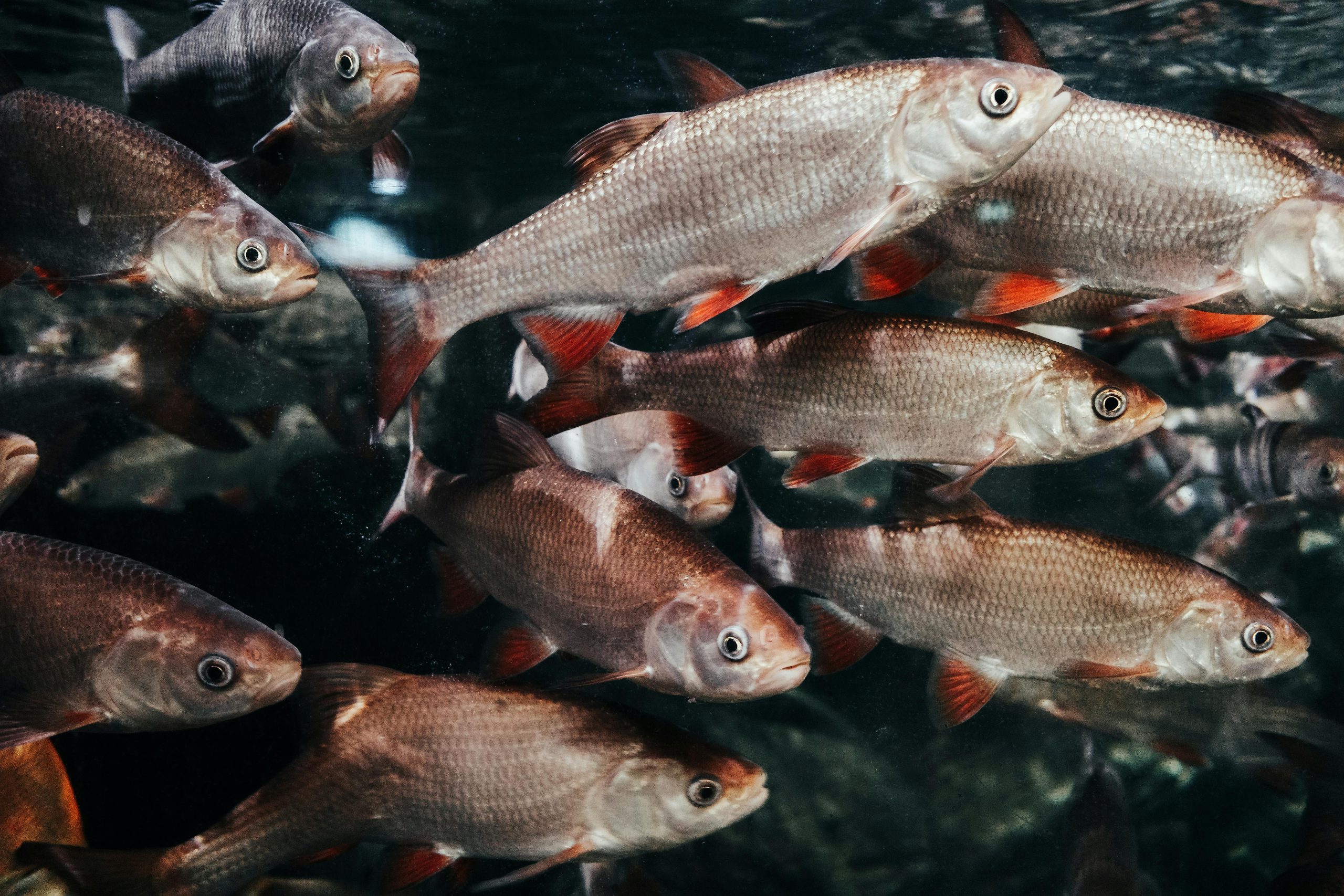
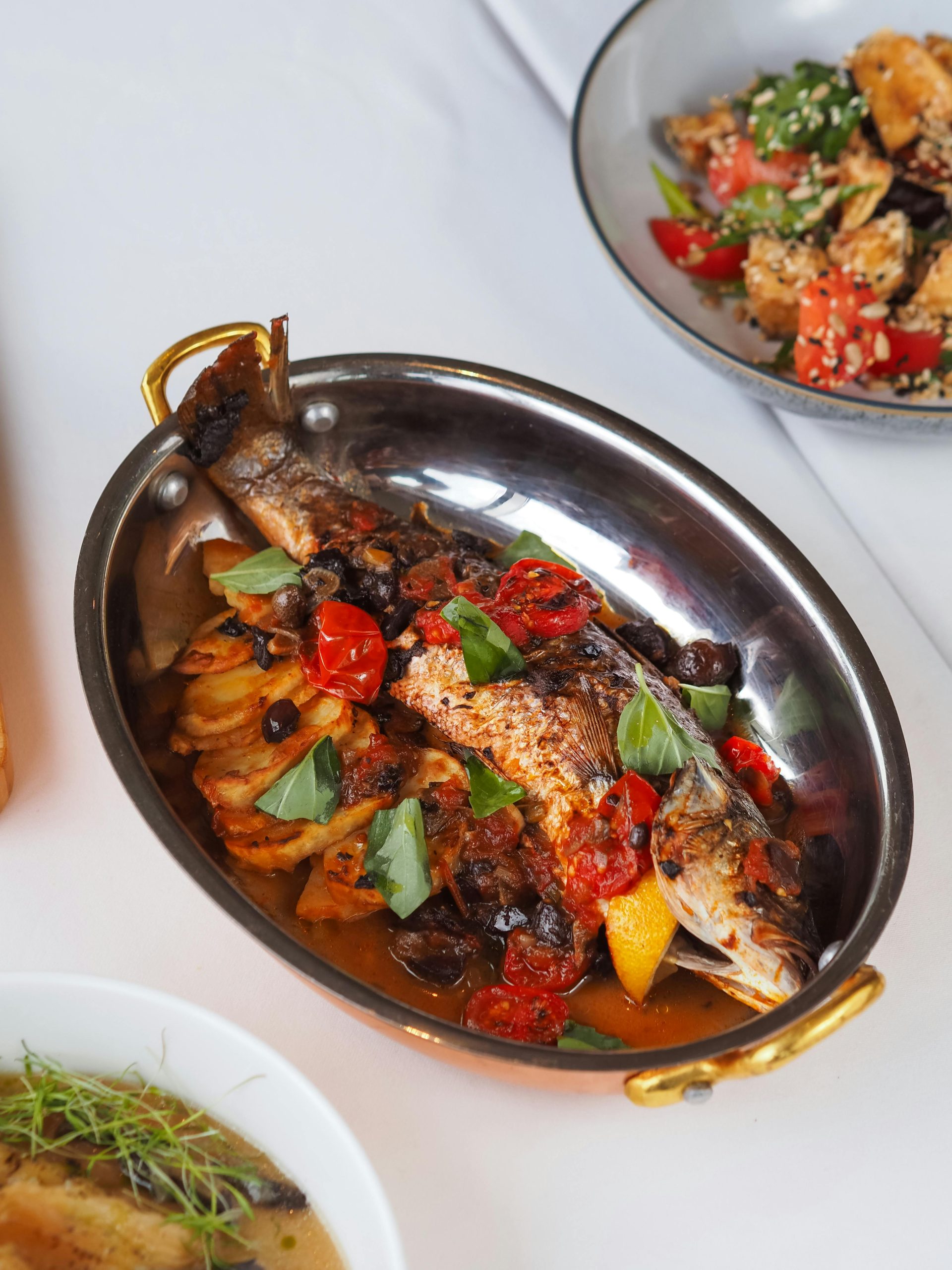
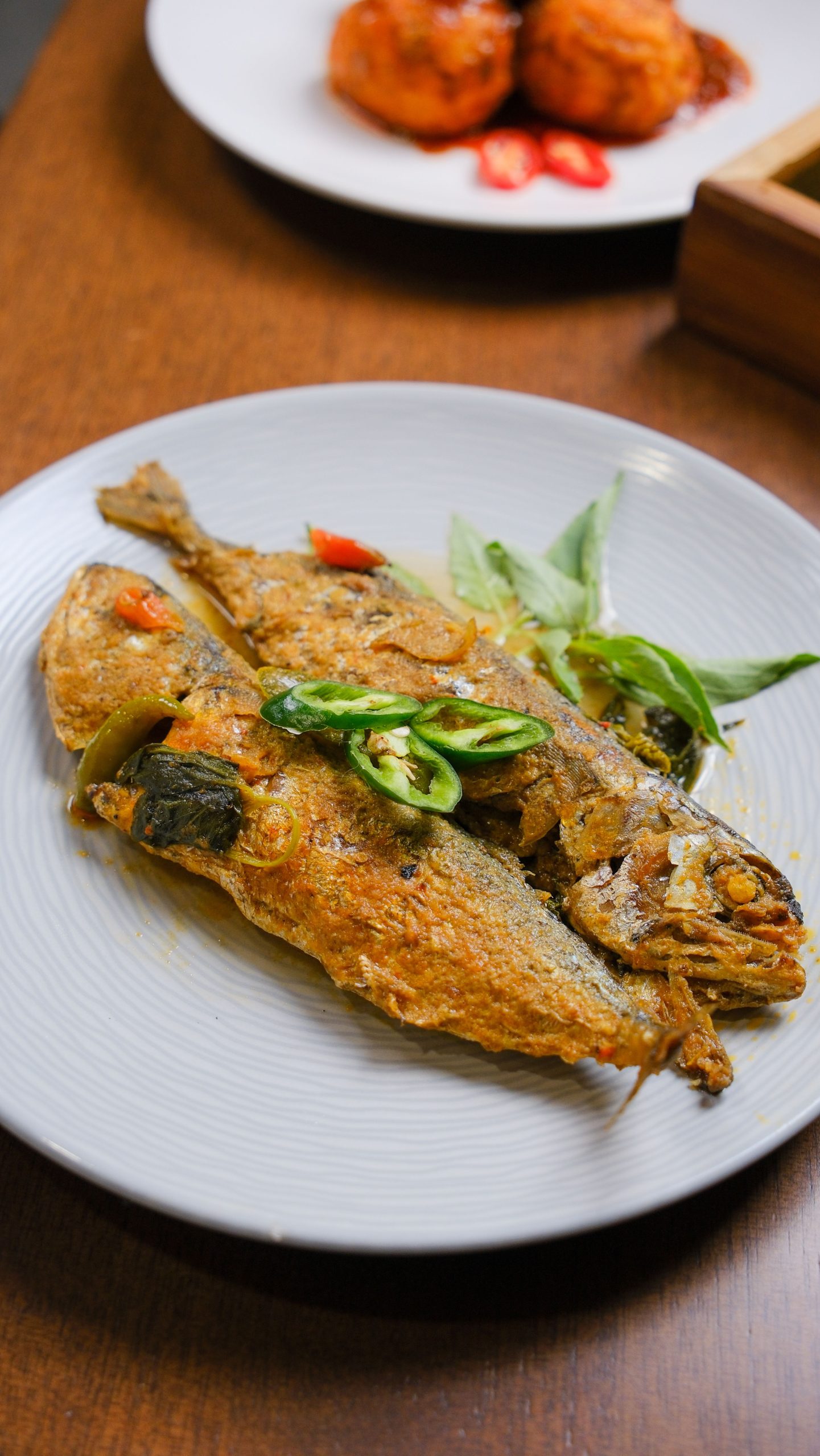
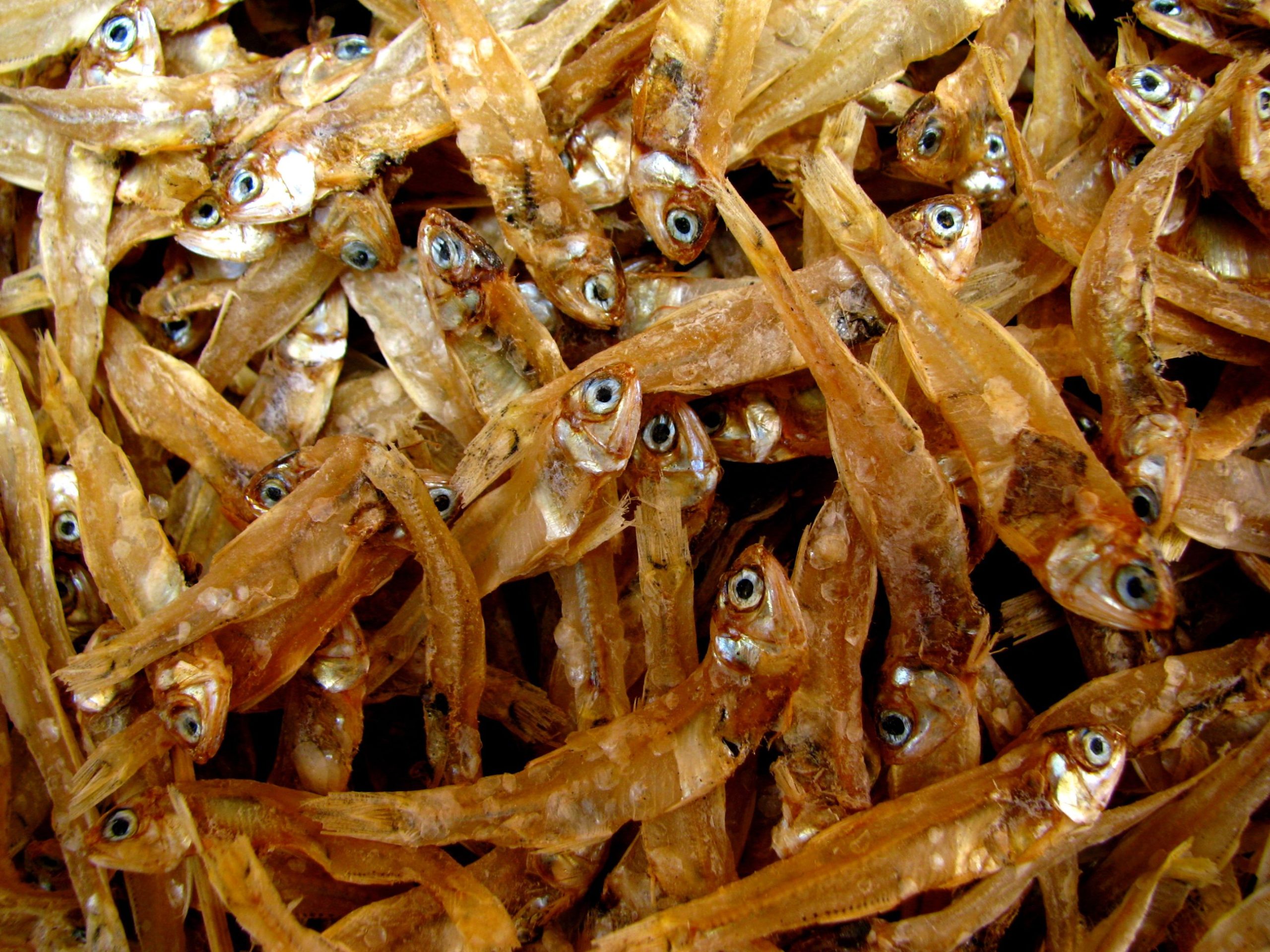
Nepal is home to approximately 186 to 200 fish species, ranging from high-altitude “snow trout” to large river predators like the Golden Mahseer, known as the “king of Nepal’s rivers” and various carp and catfish in the lowland Terai. While most indigenous species are found in its major river systems (Kosi, Gandaki, and Karnali), Nepal also has a growing aquaculture sector focused on carps and trout.
Fish meat is a highly nutritious, low-fat source of high-quality protein, packed with essential omega-3 fatty acids, vitamin D, and minerals like iodine, zinc, and iron. Regular consumption, at least twice a week, supports cardiovascular health, reduces inflammation, improves cognitive function, enhances brain development in children, and may aid sleep.
The key benefits of Fish include:
- Heart Health: Omega-3 fatty acids (DHA and EPA) help lower blood pressure, reduce triglycerides, and decrease the risk of heart attacks and strokes,
- Brain Function & Mental Health: Regular fish intake is linked to slower cognitive decline, improved memory, and a lower risk of depression. It also suppor fetal brain and vision development during pregnancy,
- Essential Nutrients: Fish is a top source of Vitamin D (essential for bone health and immune function) and iodine (vital for thyroid health),
- High-Quality Protein: Fish is a complete protein containing all nine essential amino acids needed for tissue repair and muscle maintenance,
- Improved Sleep Quality: Studies suggest that consuming fish, especially fatty fish, can improve sleep quality due to its nutrient profile,
- Pregnancy & Development: Rich in nutrients necessary for fetal brain development and reducing risk of preterm birth,
- Inflammation & Immunity: Nutrients in fish help reduce systemic inflammation, which can alleviate symptoms of rheumatoid arthritis and may lower the risk of autoimmune diseases,
- Vision Protection: High intake is associated with a reduced risk of age-related macular degeneration (AMD), a leading cause of vision loss in older adults.
Where is it used?