Turkey
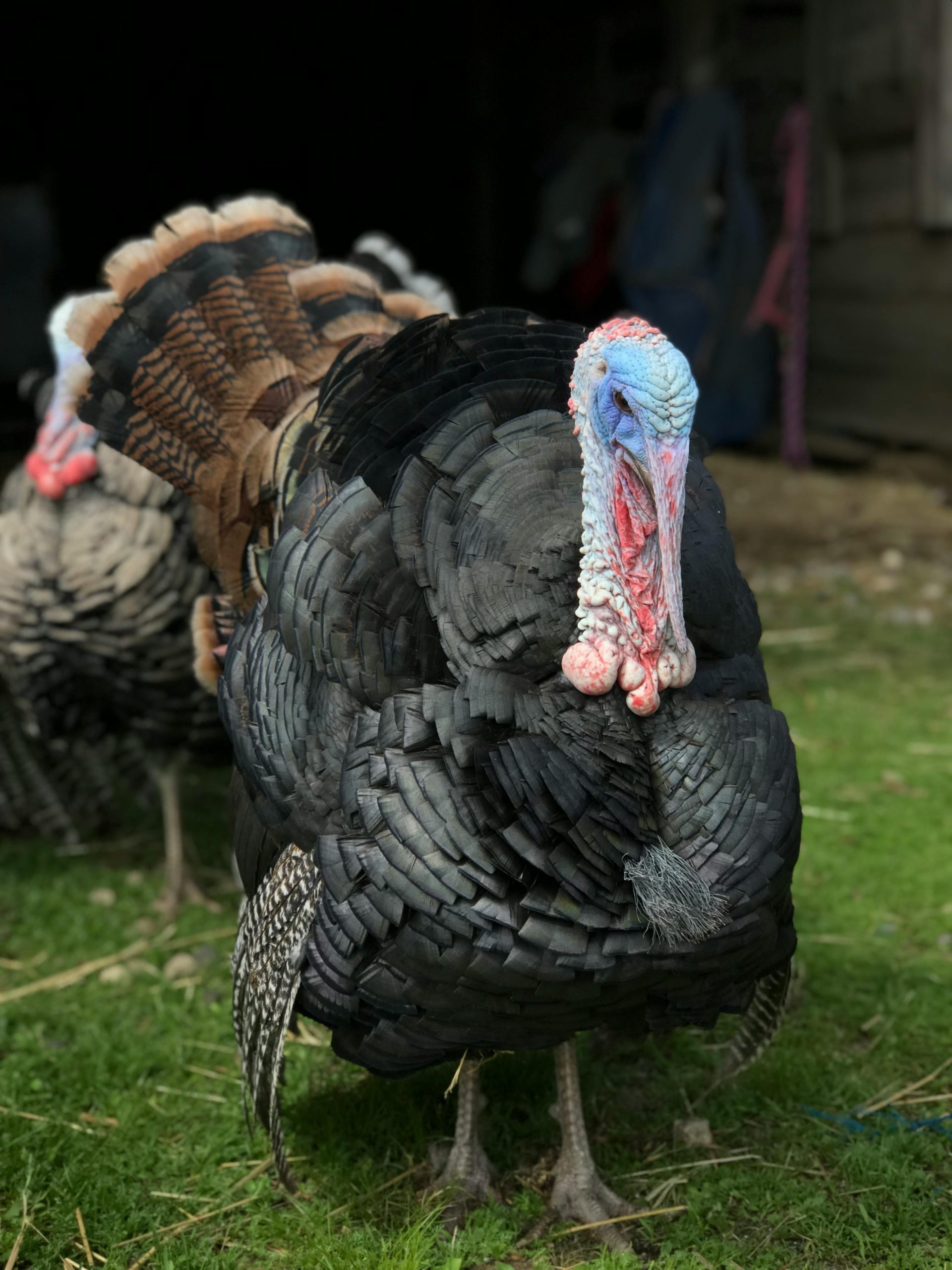
Turkey Meat is available in Nepal. While not as common as chicken or mutton (goat), it is increasingly popular for its health benefits, being lean and high in protein. The government of Nepal began promoting turkey farming in 2017, establishing resource centers in Chitwan, Pokhara, Jhapa, Kathmandu, and Itahari.
Turkey Meat is a highly nutritious, low-fat protein source that promotes muscle repair, supports immune health, and aids in blood sugar management. Rich in vitamins B6 and B12, selenium, and iron, it helps boost metabolism and provides essential nutrients while remaining low in saturated fat, making it excellent for heart health and weight management.
The key benefits of Turkey Meat include:
- High-Quality Protein for Muscle Maintenance: Turkey is an excellent source of complete protein, containing all nine essential amino acids needed for muscle repair and growth,
- Weight Management: High protein content promotes satiety (the feeling of fullness), which can reduce overall calorie intake and support weight loss,
- Heart Health: As a white meat, turkey is lower in saturated fat than red meats like beef or lamb. Choosing lean turkey can help manage cholesterol levels and reduce the risk of heart disease,
- Blood Sugar Management: Being a high-protein, low-carbohydrate food, turkey helps stabilize blood sugar levels and is beneficial for individuals with diabetes,
- Immune & Thyroid Support: It is rich in selenium, an antioxidant that supports thyroid function and strengthens the immune system,
- Mood & Energy: Turkey contains B vitamins (B3, B6, B12) that help convert food into energy and support brain function. It also contains tryptophan, an amino acid that assists in producing serotonin, which regulates mood and sleep.
Most of the fat in turkey is concentrated in the skin; removing it significantly lowers saturated fat intake.
Where is it used?

