Hornet Larvae
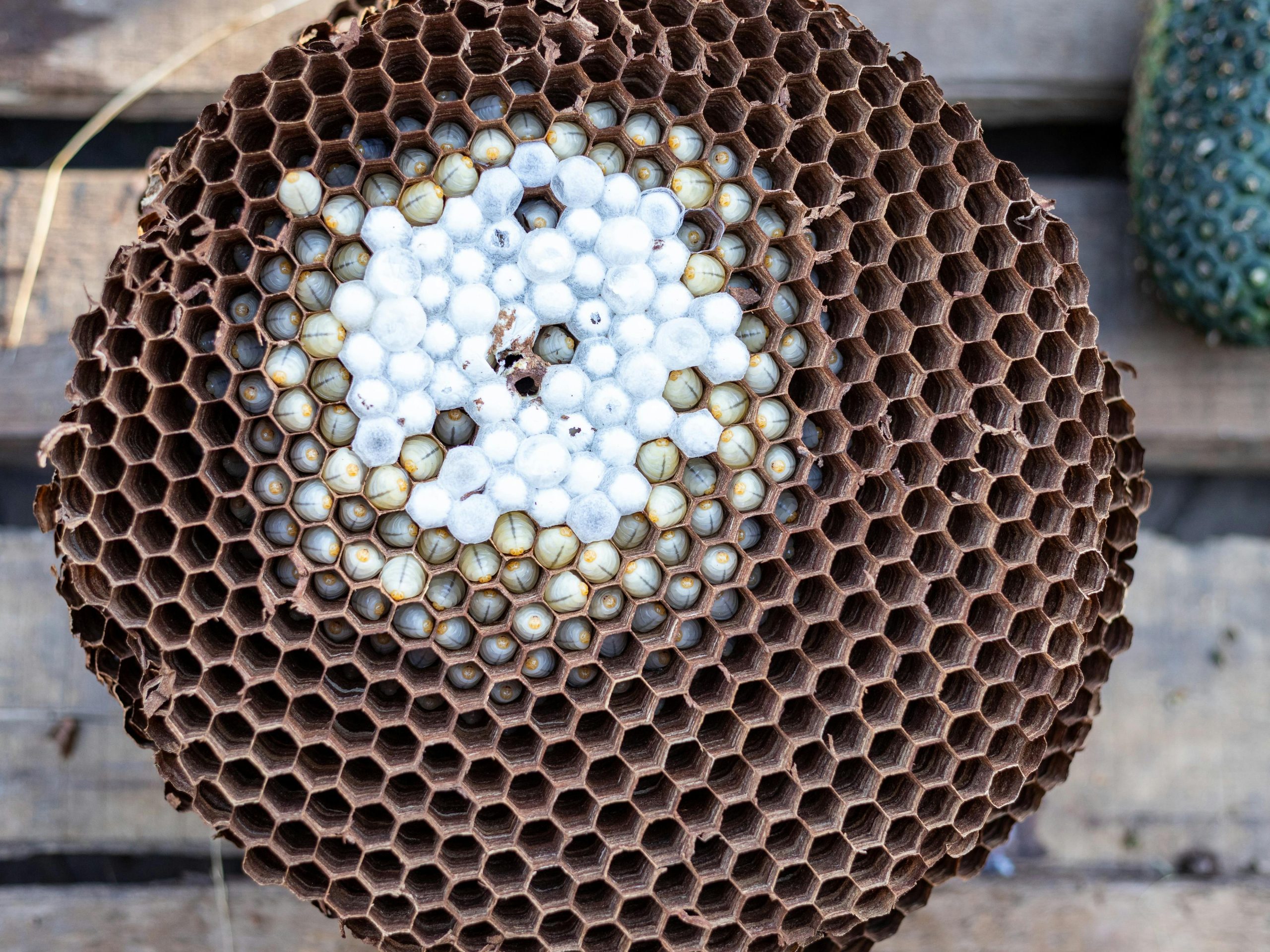
Hornet Larvae (Aringal in Nepali) are a delicacy in Nepal, particularly in Gorkha and Myagdi districts, where they are cultivated, hunted, and fried as a local specialty. Harvested between July and November. The larvae are described as having a meaty, rich flavor with a texture similar to shrimp. They are most commonly deep-fried or sautéed with local spices to create a savory dish.
Hornet Larvae provide significant nutritional and ecological benefits, serving as a high-protein food source, containing beneficial fats and fiber. They are used as a traditional delicacy, specialized fishing bait, and contribute to ecological balance by acting as natural pest controllers and providing medicinal antioxidant/anti-inflammatory compounds.
The key benefits of Hornet Larvae include:
- Natural Pest Control: Hornets feed their larvae insects like caterpillars, flies, and aphids, making them excellent, non-toxic pest controllers for gardens and agriculture,
- Valuable Fishing Bait: Larvae and pupae are effective, high-protein bait for catching fish,
- Mineral Rich: They provide vital minerals such as iron, zinc, magnesium, and potassium, which support immune function and help mitigate mineral deficiencies,
- Antioxidant Effects: Larval extracts contain flavonoids and phenolic compounds that act as potent antioxidants, helping to reduce oxidative stress and inflammation,
- Traditional Therapy: In some regions, hornet stings or larval products are used as traditional remedies for the common cold, fever, and gastritis.
Where is it used?
