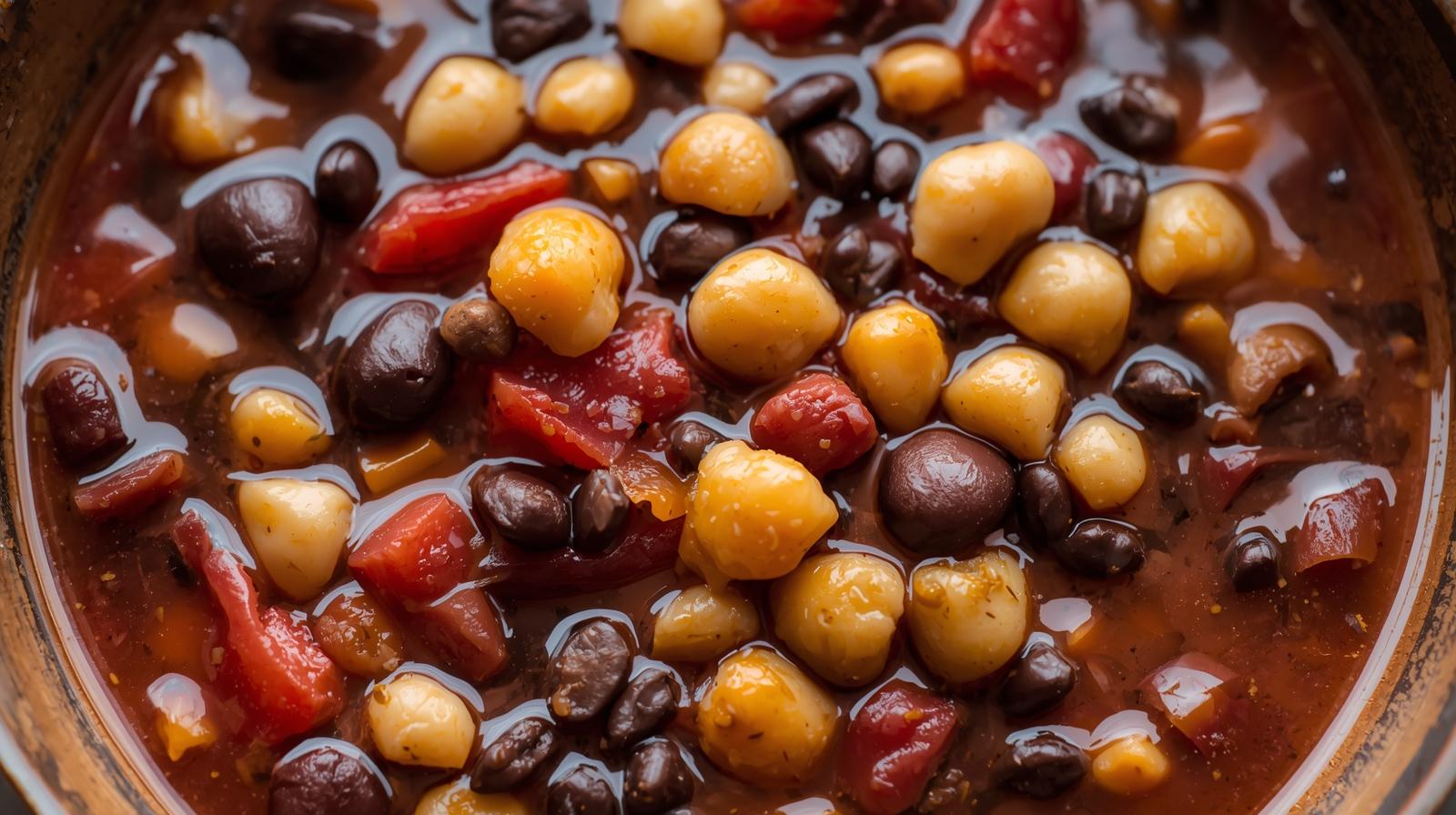
Field Peas
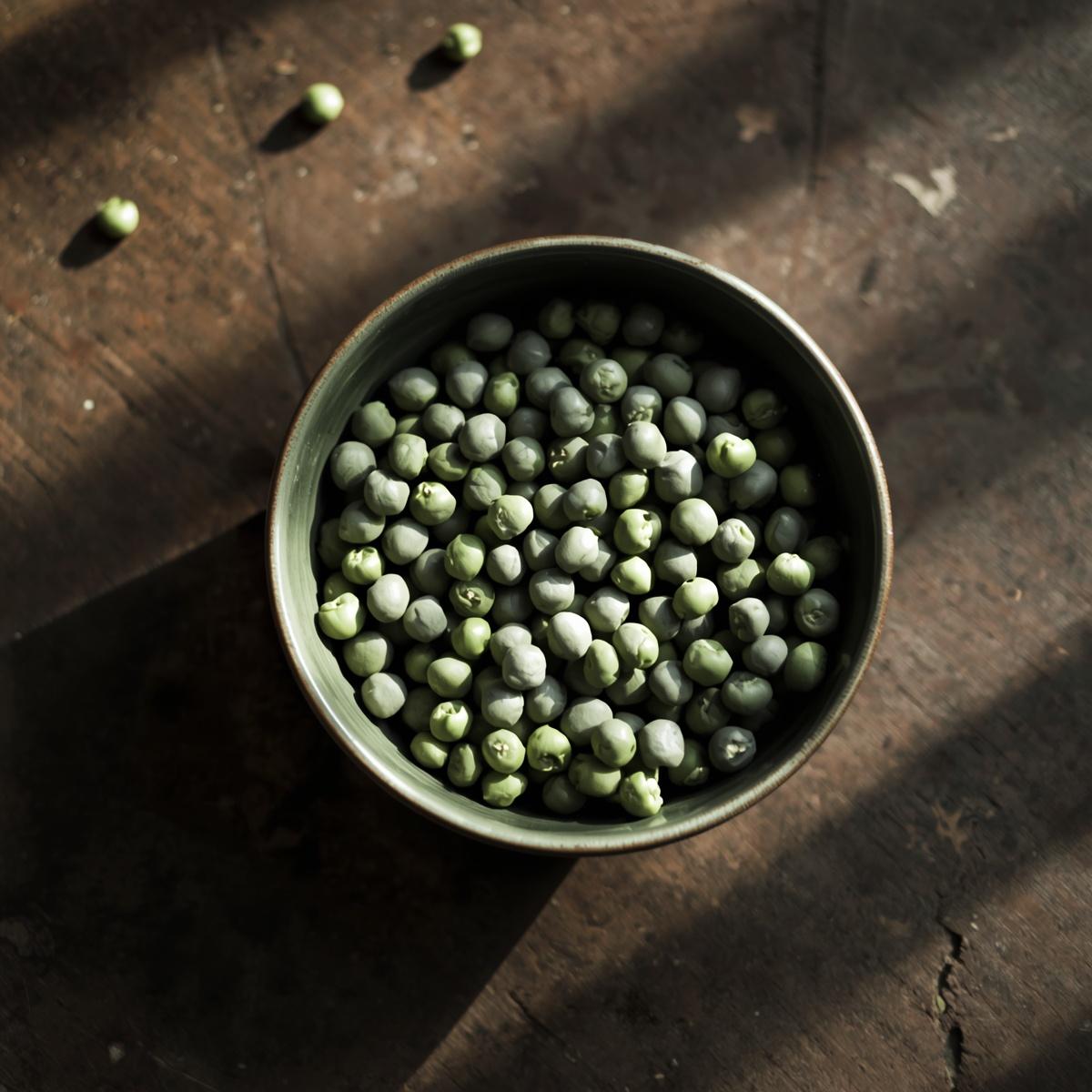
Field Peas, locally known as Sano Kerau in Nepal, are a staple protein-rich pulse typically grown as a winter crop as they are requiring cool, moist climates and well-draining soil. These small, round, green or gray-green peas are commonly used in soups, pickles, chatpate and daily meals as they are often cooked as a curry (tarkari) to be eaten with rice or roti, or used in mixed vegetable dishes. They are grown across Nepal, with significant production in districts like Chitwan, often favored for their adaptability in both middle hill and Terai ecologies.
Field peas offer significant nutritional benefits, including being a high-protein, fiber-rich source of vitamins (A, C, B-vitamins) and minerals like iron and potassium, which support heart health, digestion, and immunity. They are environmentally sustainable crops that fix nitrogen, improving soil health and reducing the need for synthetic fertilizers. Often referred to as “poor man’s meat” due to their high protein content and affordability, they are an essential part of sustainable food systems.
The key benefits of Field Peas include:
- Essential Micronutrients: They provide vital vitamins and minerals, including folate, iron, zinc, manganese, and vitamins B1, B6, C, and K,
- Rich in Plant-Based Protein: Field peas make them a powerhouse for vegetarians and vegans,
- High Protein & Fiber: They are an excellent source of plant-based protein and dietary fiber, which aids in digestion, increases satiety (feeling full), and assists in weight management,
- Chronic Disease Prevention: The anti-inflammatory nutrients, including antioxidants and vitamins, help lower the risk of chronic conditions like heart disease, diabetes, and arthritis,
- Diabetes Management: With a low Glycemic Index (GI), they cause a slow rise in blood sugar, making them ideal for managing diabetes,
- Heart Health: Their fiber and mineral content (magnesium, potassium, and calcium) help lower “bad” LDL cholesterol and regulate blood pressure,
- Soil Health Enhancement: Field peas are exceptional “break crops” that improve soil fertility by fixing nitrogen, a crucial factor in sustainable agriculture,
- Water Efficient: They are considered “water thrifty,” making them a sustainable choice in dryland farming systems,
- Weed Management: They act as strong competitors against weeds, reducing the need for herbicides,
- Versatile Feed Source: They are used as a high-protein supplement in rations for cattle, pigs, poultry, and even horses, promoting healthy growth and performance,
- Economic Sustainability: For farmers, field peas are cost-effective due to low input requirements and a quick growth cycle, often ready for harvest in about 60 days.
Where is it used?