Snail
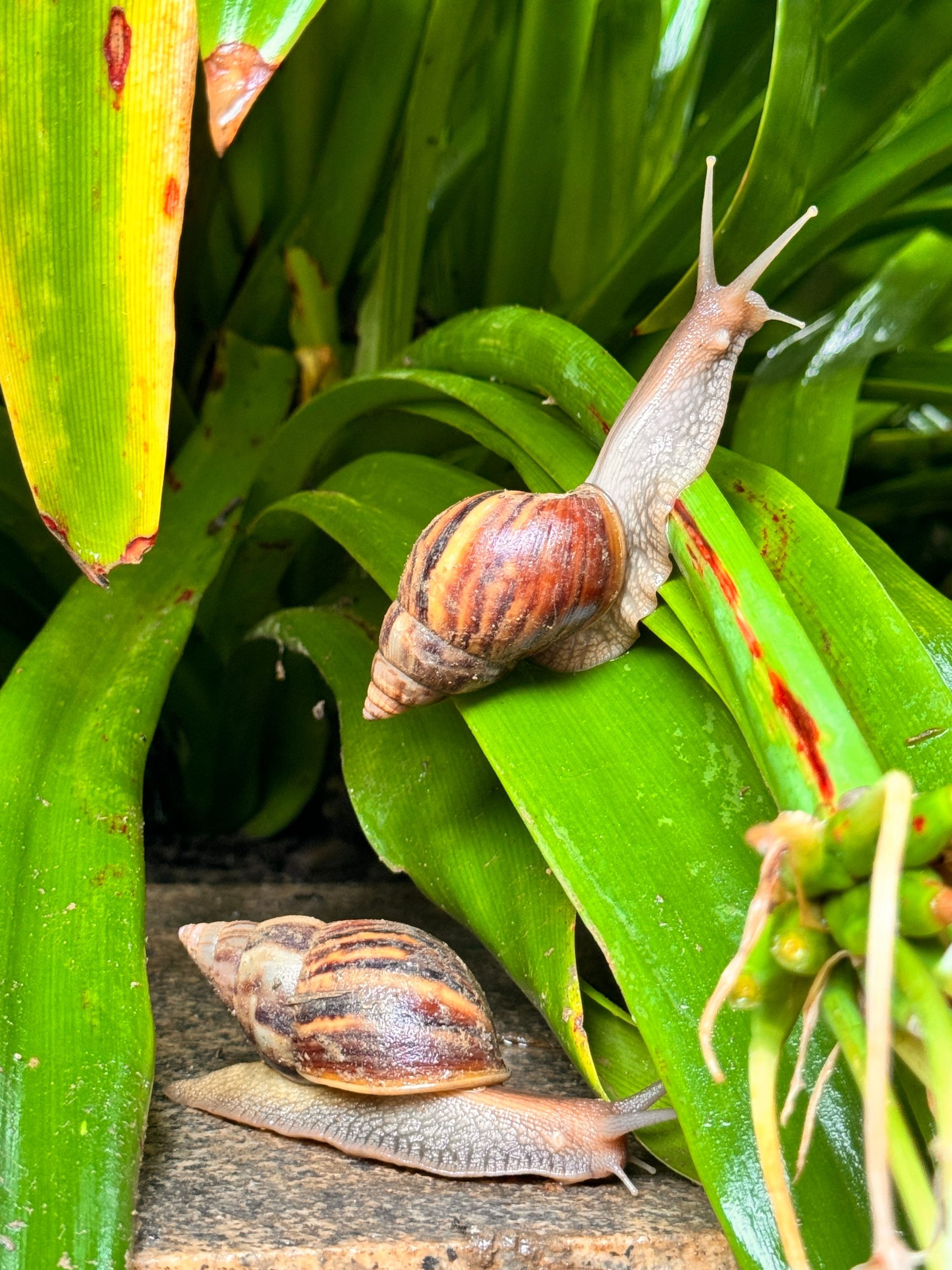
In Nepal, snails are viewed from two main perspectives: as a traditional delicacy (Ghonghi) enjoyed by the Tharu and Madhesi communities in the Terai region, and as a harmful agricultural pest (specifically the native and invasive Giant African Land Snail that destroy vegetable farms, paddy, maize, and fruit plants by eating their tender parts).
Snails offer significant nutritional, medicinal, and ecological benefits. As a food source, snail meat is rich in lean protein, vitamin B12, calcium and iron, while containing very low fat. In the Tharu community, it is also believed to be a traditional remedy that relieves joint pain and heals wounds faster. Additionally, snail mucus is highly valued in skincare and medicine for its healing and hydrating properties.
The key benefits of Snails include:
- High in Lean Protein: Snails provide a low-calorie protein source that is similar to beef or pork but comes with significantly less fat,
- Rich in Iron and Vitamin B12: High concentrations of iron help improve anemia, while vitamin B12 is essential for a healthy nervous system and red blood cell production,
- Abundant in Minerals: They contain crucial trace elements like magnesium, selenium, and copper, which regulate blood pressure, support bone health, and boost your immune system,
- Skin Hydration and Anti-Aging: Snail mucin is widely used in skincare (often found in creams) because it naturally hydrates, stimulates collagen production, and reduces wrinkles,
- Wound Healing: The active compounds in snail mucus help modulate inflammation, repair skin tissue, and aid in diabetic wound care,
- Soil Fertility: Snails and slugs act as nature’s clean-up crew, breaking down decaying matter and circulating vital nutrients back into the soil,
- Ecosystem Balance: By burrowing, they naturally aerate the soil and serve as a crucial food source for various birds, amphibians, and small mammals.
Where is it used?