Millet

Millet is a vital, climate-resilient crop in Nepal, with Finger Millet (Kodo) being the fourth most important cereal after rice, maize, and wheat. Traditionally a staple in hilly regions, it is gaining national popularity as a “superfood” due to its high nutritional value and gluten-free properties.
Millet are considered “nutri-cereals” because they are richer in micronutrients than major staples like rice and are high in dietary fiber, minerals (iron, phosphorus), and vitamins. Naturally gluten-free, it serves as a powerful alternative for those with celiac disease or gluten sensitivities while offering significant advantages for metabolic and cardiovascular health.
You can use millet as a direct rice substitute, grind it into flour for rotis or dosas, or enjoy it as a morning porridge.
Nepal cultivates several millet species, primarily in mid-hill and high-altitude regions:
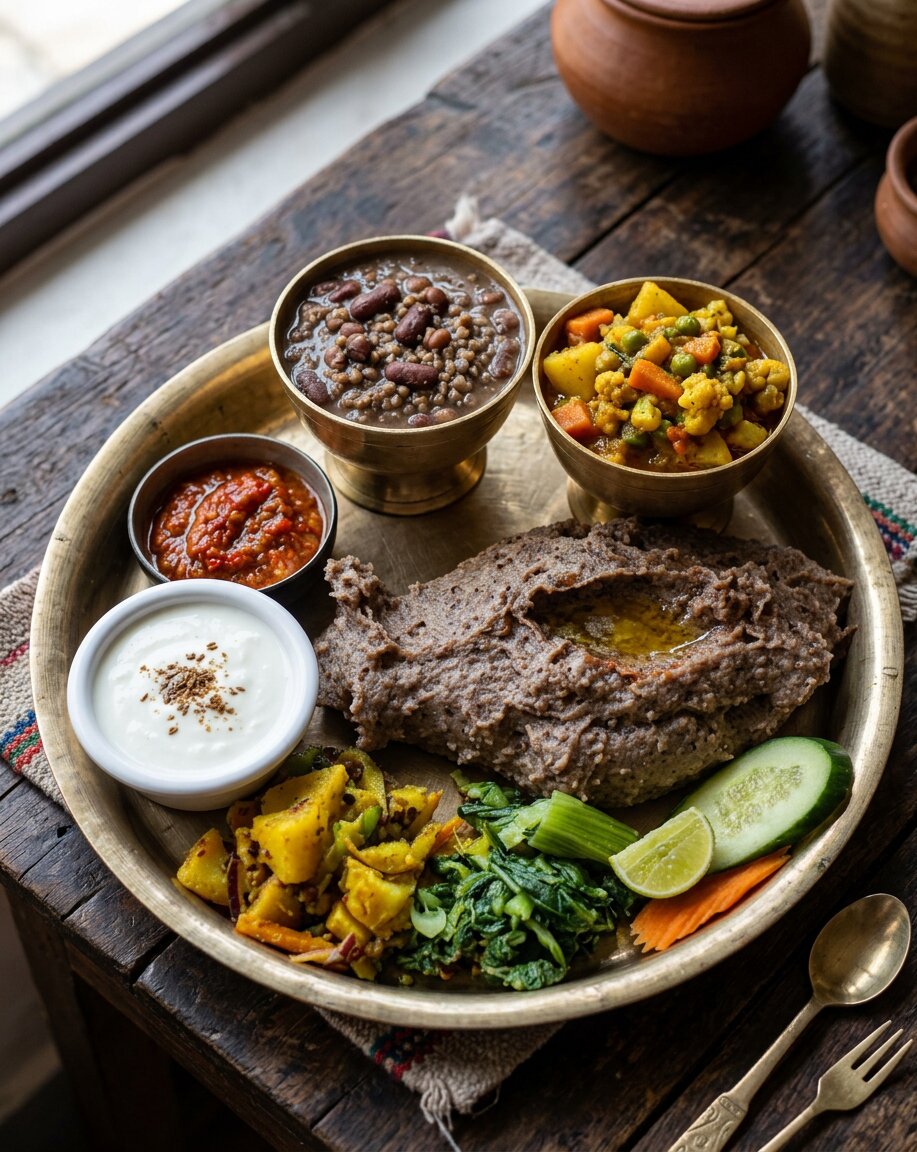
- Finger Millet (Kodo): The most widely grown variety, especially in districts like Khotang, Sindhupalchok, and Baglung. It is prized for its high calcium content (10 times that of rice/wheat) and its use in traditional dishes like dhindo and raksi,
- Proso Millet (Chino): The second most important millet, predominantly grown in the Karnali province (Mugu, Dolpa, Humla). It has the shortest growing cycle (60–90 days) and is often eaten as a rice substitute (bhat),
- Foxtail Millet (Kaguno): Valued for its medicinal properties and drought tolerance, it is cultivated in districts such as Mugu, Lamjung, and Gorkha,
- Sorghum (Junelo): Cultivated on terrace bonds for food and fodder, though it is currently considered an endangered species in Nepal,
- Others: Pearl Millet (Bajra) is limited to small areas in the Terai, while Barnyard Millet (Sama) is found in the western mid-hills.
The key benefits of Millet Seeds include:
- Health Management: They have a low glycemic index, making them ideal for managing diabetes and blood sugar. Finger millet is specifically recommended for pregnant women and elderly patients due to its high calcium and iron content,
- Blood Sugar Management: Millets have a low glycemic index (GI) which prevents rapid blood sugar spikes. They are rich in complex carbohydrates and fiber that slow glucose absorption, making them ideal for individuals with type 2 diabetes,
- Heart Health & Cholesterol: High soluble fiber content helps trap fats in the gut, lowering LDL (bad) cholesterol and triglycerides,
- Digestive Wellness: Packed with both soluble and insoluble fiber, millets promote regular bowel movements and prevent constipation. They also act as prebiotics, stimulating the growth of beneficial gut bacteria like Bifidobacterium and Lactobacillus,
- Bone Strength: Finger millet (Ragi) is particularly notable for having the highest calcium content among cereals, providing roughly 10 times more calcium than wheat or rice, which is essential for bone density,
- Weight Management: The combination of high protein and fiber induces satiety, helping you feel full longer and reducing the urge for excess snacking.
Like many seeds, millets contain phytates and oxalates that can hinder mineral absorption. Soaking them for 6–8 hours or sprouting them before cooking significantly reduces these compounds.
Some varieties, particularly pearl millet, contain goitrogens. While generally safe in moderation, individuals with hypothyroidism should consult a healthcare professional regarding high intake.
Where is it used?