Dried Coconut
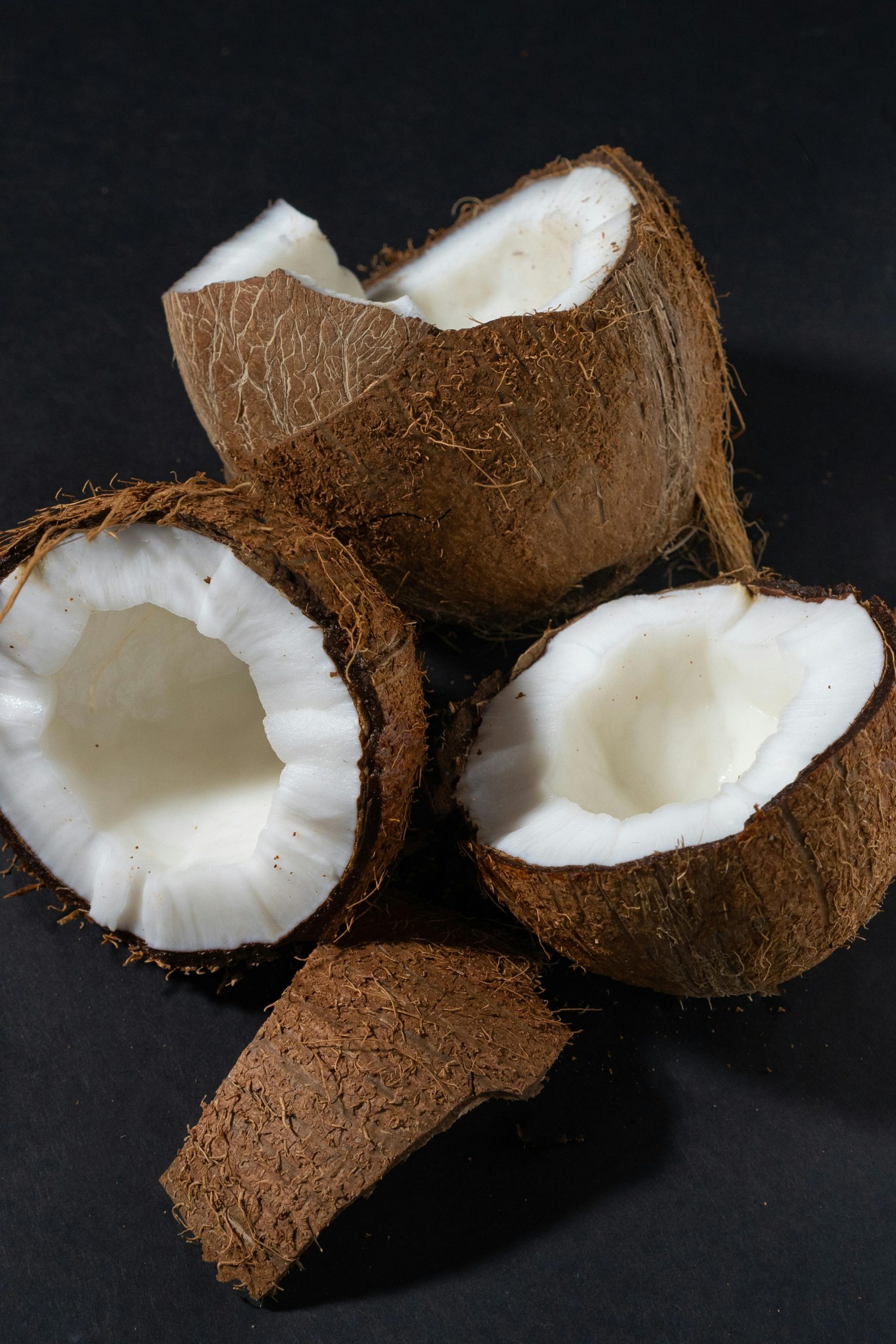
Dried Coconut, commonly known as Sukeko Nariwal or Singo Nariwal in Nepal, is a staple used extensively for religious rituals (puja), cooking, and as a nutrient-rich snack.
Dried Coconut is a nutrient-dense, high-fiber food packed with medium-chain triglycerides (MCTs), offering significant health benefits like improved heart health, boosted energy, and better digestion. Rich in minerals like manganese, copper, and selenium, it supports bone health, immunity, and metabolism. It also aids in weight management, skin health, and brain function.
The key benefits of Dried Coconuts include:
- Heart Health & Metabolism: The MCTs in dry coconut are metabolized differently, helping to increase good cholesterol (HDL) and potentially reducing the risk of heart disease,
- Digestive Health: High in dietary fiber, it aids digestion, prevents constipation, and promotes a healthy gut,
- Energy Booster: The fat content provides a quick, efficient source of energy, making it ideal for managing low energy levels,
- Bone & Joint Health: It is rich in manganese, which supports strong, healthy bones and may help reduce the risk of osteoporosis,
- Immune System Support: Contains selenium and antioxidants that help strengthen the immune system and protect cells from oxidative stress,
- Brain Function: The nutrients support cognitive function and may help in the production of neurotransmitters,
- Skin & Hair Health: The healthy fats and vitamin E in dried coconut provide deep nourishment, enhancing skin radiance and preventing dry, brittle hair.
Dried coconut is highly caloric and calorie-dense, so it should be consumed in moderation. It is also high in saturated fat, which should be considered by those monitoring their intake.
Where is it used?