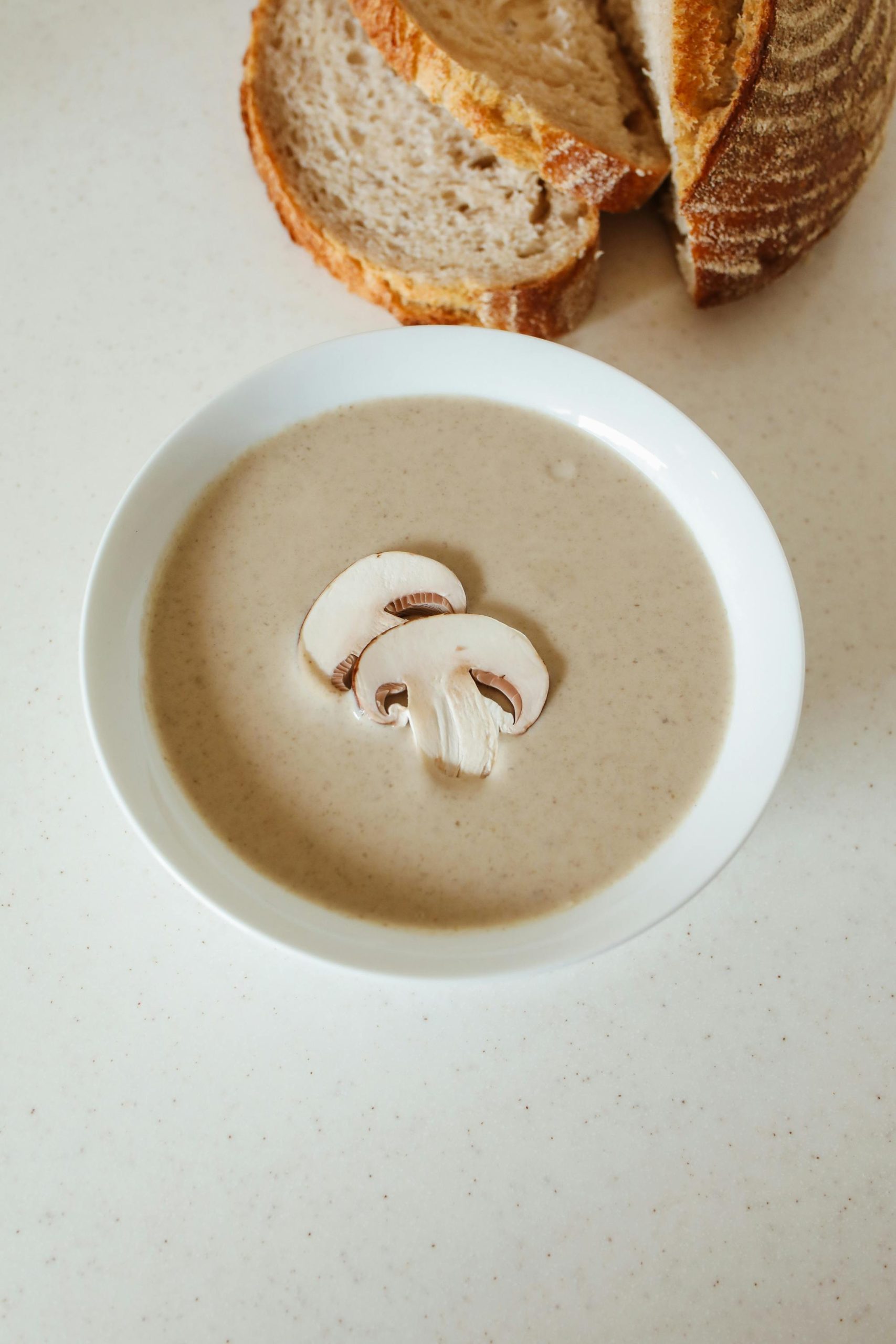
Mushroom
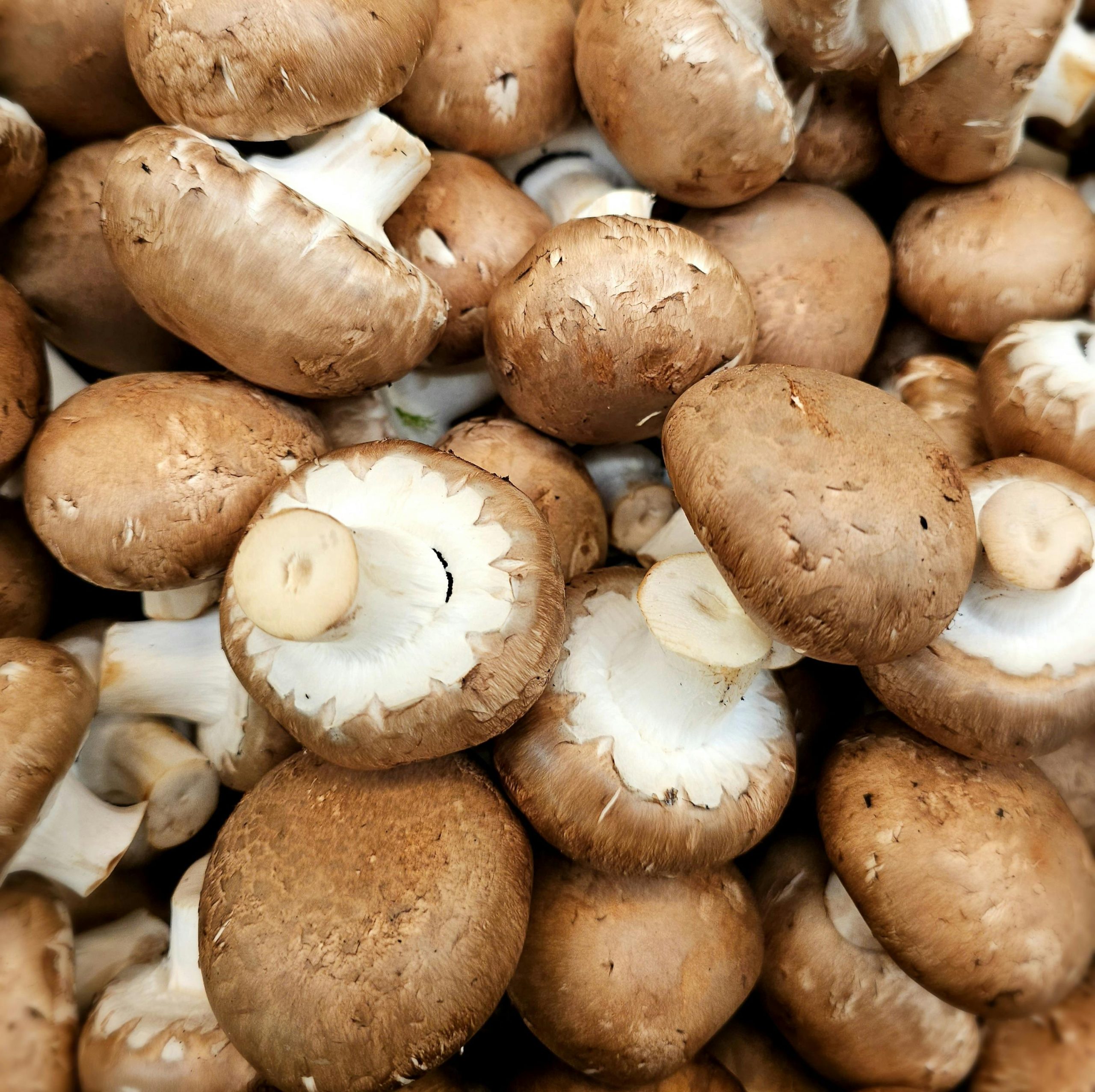
Nepal is home to a vast diversity of fungi, with over 1,291 identified species. Of these, approximately 159 are edible, 74 have medicinal properties, and around 100 are poisonous. Mushroom cultivation has become a rapidly growing agricultural business in Nepal due to its low investment requirements and high market demand.
These varieties dominate the local market and are widely grown by small-scale farmers and entrepreneurs:
- Oyster Mushroom (Kanye Chyau): The most popular and beginner-friendly variety, accounting for about 86% of total production. It grows well on straw and agricultural waste,
- White Button Mushroom (Gobre Chyau): Highly demanded in urban areas like Kathmandu but requires cooler temperatures and controlled environments. It makes up roughly 10% of production,
- Shiitake Mushroom: A premium, high-value mushroom often grown on hardwood logs or sawdust blocks, primarily in cooler hill regions,
- Species like Reishi (Ganoderma) and Cordyceps (Yarsagumba) are highly valued for their therapeutic properties; Yarsagumba is a rare “caterpillar fungus” harvested in high Himalayan regions,
- Morels (Guchchi Chyau): Found in high-altitude coniferous forests (Jumla, Humla), these are Nepal’s most economically important exported wild fungi,
- Golden Chanterelle (Tari Chyau): Known for its egg-yolk color and fruity aroma, found in mid-hill forests,
- Wood Ear (Kan Chyau): Growing on trees, these are popular in soups and traditional dishes.
Mushrooms are nutrient-dense fungi that provide various vitamins, minerals, and bioactive compounds. They are naturally low in calories, sodium, and fat while being cholesterol-free.
The key benefits of Mushrooms include:
- Immune System Support: Rich in selenium and vitamin D, mushrooms strengthen the immune system and help cells grow. Specific varieties like Shiitake and Maitake are particularly known for their immune-supporting properties,
- Heart Health & Blood Pressure: High in potassium and low in sodium, mushrooms help manage blood pressure by reducing tension in blood vessels. Fiber and compounds in varieties like Shiitake can also help lower cholesterol,
- Powerful Antioxidants: Mushrooms provide high levels of selenium and ergothioneine, which protect cells against damage and oxidative stress,
- Vitamin D Source: When exposed to UV light, mushrooms produce significant amounts of Vitamin D, essential for bone health and immunity,
- Gut Health Improvement: Rich in prebiotic fiber, they support a healthy microbiome by encouraging the growth of beneficial gut bacteria,
- Antioxidant Power: They are a rare source of ergothioneine and glutathione, potent antioxidants that protect cells from oxidative stress and aging,
- Weight Management & Nutrition: Due to their savory taste (umami), they are an excellent, low-fat alternative to meat, providing a good source of fiber and plant-based protein,
- Cognitive Function: Certain culinary-medicinal mushrooms like Lion’s Mane contain compounds that may improve cognitive abilities and support nerve growth.
Always source mushrooms from reputable suppliers or grocery stores. Never consume wild mushrooms unless they have been identified by a certified expert, as many toxic species resemble edible ones.
Where is it used?