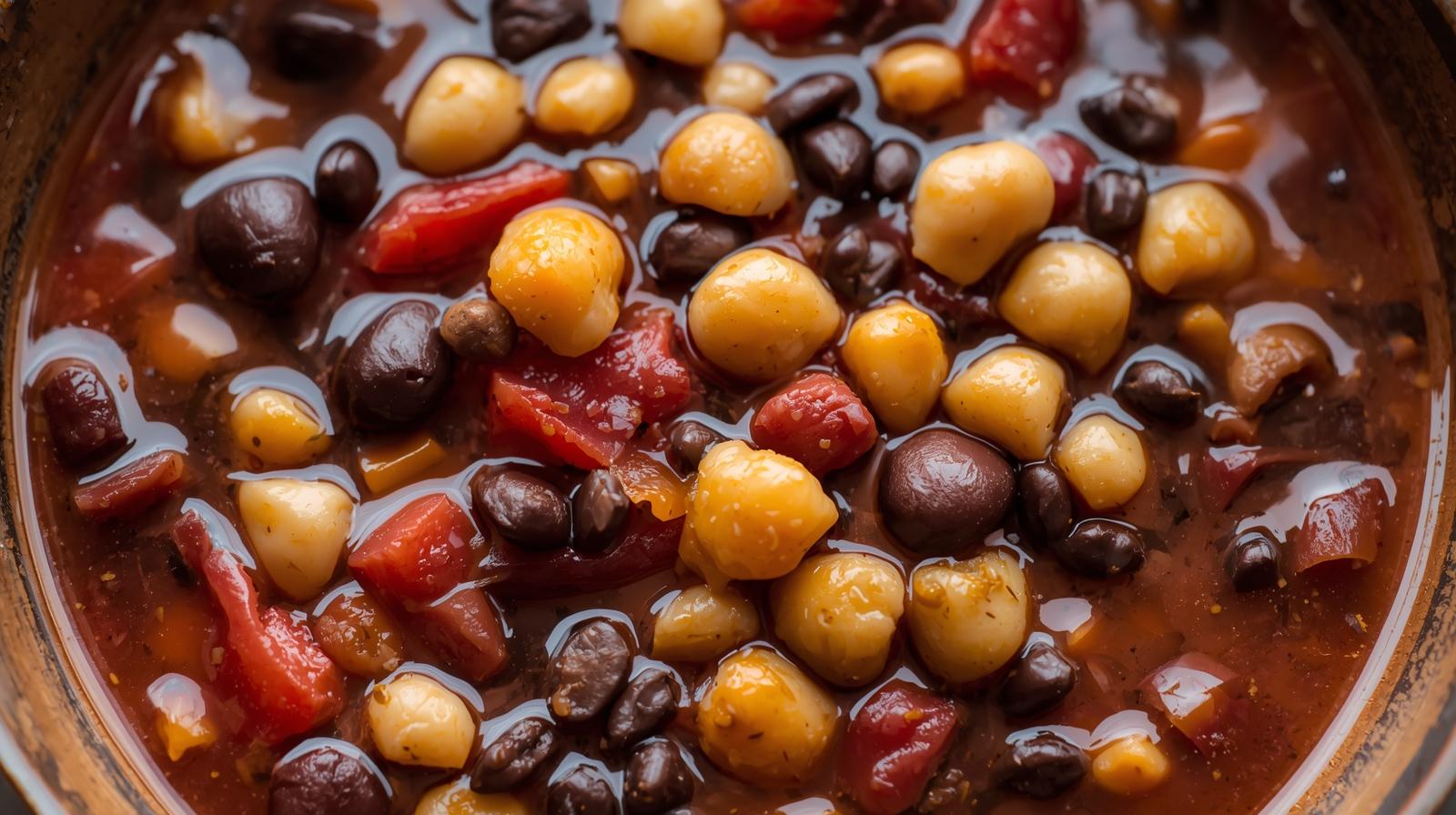
Red Kidney Beans
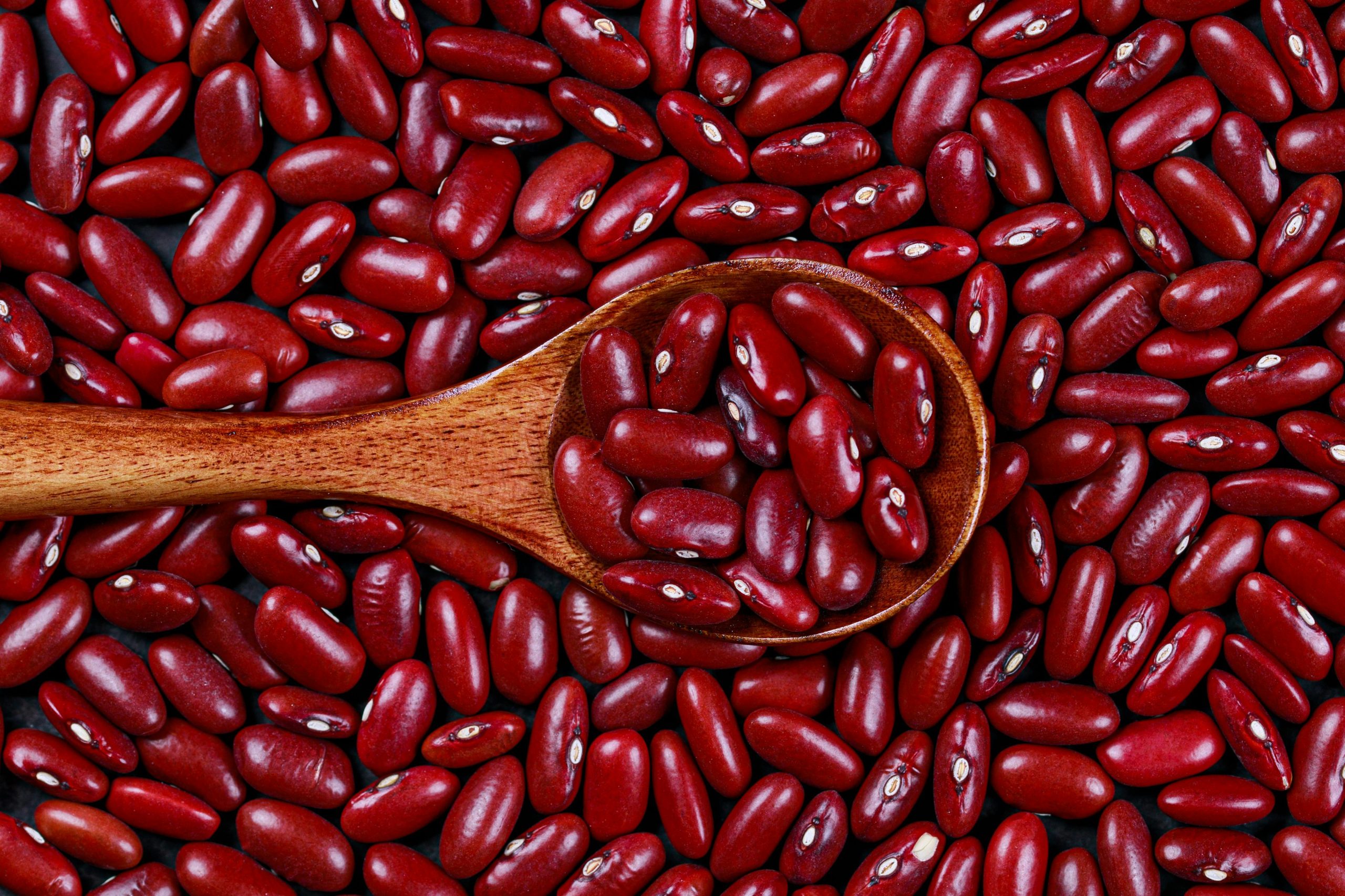
Red Kidney Beans, locally known as Rajma or Rato Simi in Nepal, are a nutrient-dense, high-protein legume cultivated in the hilly (Jumla, Humla, Mustang, Darchula) and Terai regions (Chitwan, Nawalparashi, and Makwanpur ). Commonly used in nutritious curries (Rajma Chawal), they are a vital source of fiber and minerals
Red kidney beans are highly nutritious legumes packed with protein, fiber, iron, and folate, making them an excellent plant-based staple for heart health, weight management, and stable blood sugar. They are rich in antioxidants, support digestive health, and can help lower cholesterol. Properly cooked, they are a versatile, low-fat source of essential nutrients.
The key benefits of Red Kidney Beans include:
- Supports Heart Health: The soluble fiber in these beans helps lower LDL (“bad”) cholesterol. Additionally, they are rich in potassium and magnesium, which assist in blood vessel dilation and blood pressure regulation,
- Blood Sugar Managementand Diabetes: With a low glycemic index (GI), kidney beans cause a slow, gradual rise in blood sugar rather than a sharp spike. Their high fiber and resistant starch content help stabilize levels, making them excellent for managing or preventing type 2 diabetes,
- Promotes Weight Management: High fiber and protein content increases satiety (fullness), which can reduce overall calorie intake,
- Rich in Plant-Based Protein: They are an excellent, low-fat source of protein for vegetarians and vegans,
- Improves Digestive Health: The fiber content aids in digestion and supports a healthy gut, which can assist in preventing colon issues,
- Provides Essential Nutrients: They contain significant amounts of folate (33% of daily needs in 100g), iron, magnesium, and manganese, which are crucial for energy and cognitive function.
Red kidney beans must be cooked properly (boiled for at least 10 minutes) to eliminate a toxin known as phytohaemagglutinin. It is recommended to soak dried beans, discard the water, and boil them thoroughly before consumption.
Where is it used?