Flours Ingredients

In Nepal, Barley (known as Jau) is a culturally significant and resilient cereal crop grown from the Terai plains up to 4,000 meters in the high mountains. While it is the fifth most important cereal in terms of area and production, it remains a primary staple food mostly in the western hills and mountain regions.
Barley is deeply integrated into Nepalese life, from religious rituals to daily nutrition.
Rich in fiber, protein, carbohydrates and also a rich source of manganese, selenium, phosphorus, magnesium, and B-vitamins.

In Nepal, Buckwheat, locally known as Phapar, is a vital staple food and the country’s sixth most important cereal crop, especially in remote Himalayan regions. It is highly valued for being naturally gluten-free and adaptable to the harsh, high-altitude climates where other grains often fail.
Buckwheat is deeply integrated into the local diet through several iconic dishes: Phapar ko Dhindo, Phapar ko Roti, Kanchemba, Chhyang (beer) or Raksi (spirit).

Millet is a vital, climate-resilient crop in Nepal, with Finger Millet (Kodo) being the fourth most important cereal after rice, maize, and wheat. Traditionally a staple in hilly regions, it is gaining national popularity as a “superfood” due to its high nutritional value and gluten-free properties.
Millets are considered “nutri-cereals” because they are richer in micronutrients than major staples like rice and are high in dietary fiber, minerals (iron, phosphorus), and vitamins. Naturally gluten-free, it serves as a powerful alternative for those with celiac disease or gluten sensitivities while offering significant advantages for metabolic and cardiovascular health.
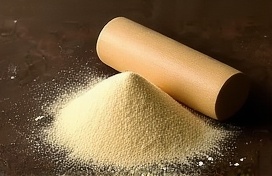
Semolina, locally known as Suji or Sooji in Nepal, is a coarse flour made from durum wheat, commonly used to make staple Nepali sweet dishes like Suji ko Halwa (a a popular Nepali sweet pudding) or Gundpak. It is used to make savory items like Upma (savory porridge), Idli, or fried items like Puwa in the Terai region. And also high-protein durum wheat semolina is the primary base for local pasta production.
Semolina is a nutrient-dense, coarsely ground durum wheat packed with protein, fiber, and iron, which supports sustained energy, heart health, and digestion. It is high in B vitamins and low on the glycemic index, helping regulate blood sugar and provide satiety for weight management.

Whole Wheat flour is a staple used for making rotis and chapatis. It is often labeled as “Chakki Atta” to signify traditional stone-grinding that preserves fiber.
Whole Wheat is a nutrient-dense food that provides significant health advantages over refined grains because it retains the entire grain kernel, including the bran, germ, and endosperm.