Semolina
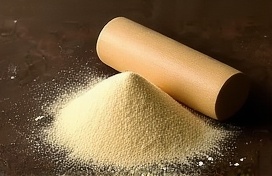
Semolina, locally known as Suji or Sooji in Nepal, is a coarse flour made from durum wheat, commonly used to make staple Nepali sweet dishes like Suji ko Halwa (a a popular Nepali sweet pudding) or Gundpak. It is used to make savory items like Upma (savory porridge), Idli, or fried items like Puwa in the Terai region. And also high-protein durum wheat semolina is the primary base for local pasta production.
Semolina is a nutrient-dense, coarsely ground durum wheat packed with protein, fiber, and iron, which supports sustained energy, heart health, and digestion. It is high in B vitamins and low on the glycemic index, helping regulate blood sugar and provide satiety for weight management.
The key benefits of Semolina include:
- Boosts Energy & Heart Health: Rich in iron and magnesium, it aids in oxygen transport and heart health, providing a sustained energy boost suitable for workouts or breakfast,
- Improves Digestion: High fiber content helps prevent constipation, supports gut health, and keeps you feeling full longer,
- Supports Heart Health: Semolina contains fiber, folate, and magnesium, all of which support cardiovascular health. High fiber intake is linked to lower “bad” LDL cholesterol and reduced inflammation,
- Promotes Weight Management: Its high protein and fiber content slows digestion and increases feelings of fullness, which can help reduce overall calorie intake and support weight loss,
- Blood Sugar Management: As a slow-digesting, low-glycemic index food, it prevents sudden spikes in blood sugar, making it suitable for managing diabetes,
- Strengthens Bones & Immunity: It contains essential minerals like phosphorus, zinc, and magnesium that support bone density and immune function,
- Rich in Nutrients: Contains thiamine, folate, and carotenoids like lutein that are crucial for overall metabolism and eye health,
- Essential for Pregnancy: Enriched semolina is a great source of folate (B9), which is critical for healthy fetal development and preventing neural tube defects.
Because it is made from durum wheat, it is not suitable for individuals with celiac disease or gluten sensitivity.
Since it is derived from durum wheat, it must be avoided by those with a wheat allergy.
Where is it used?