Chinese Cabbage
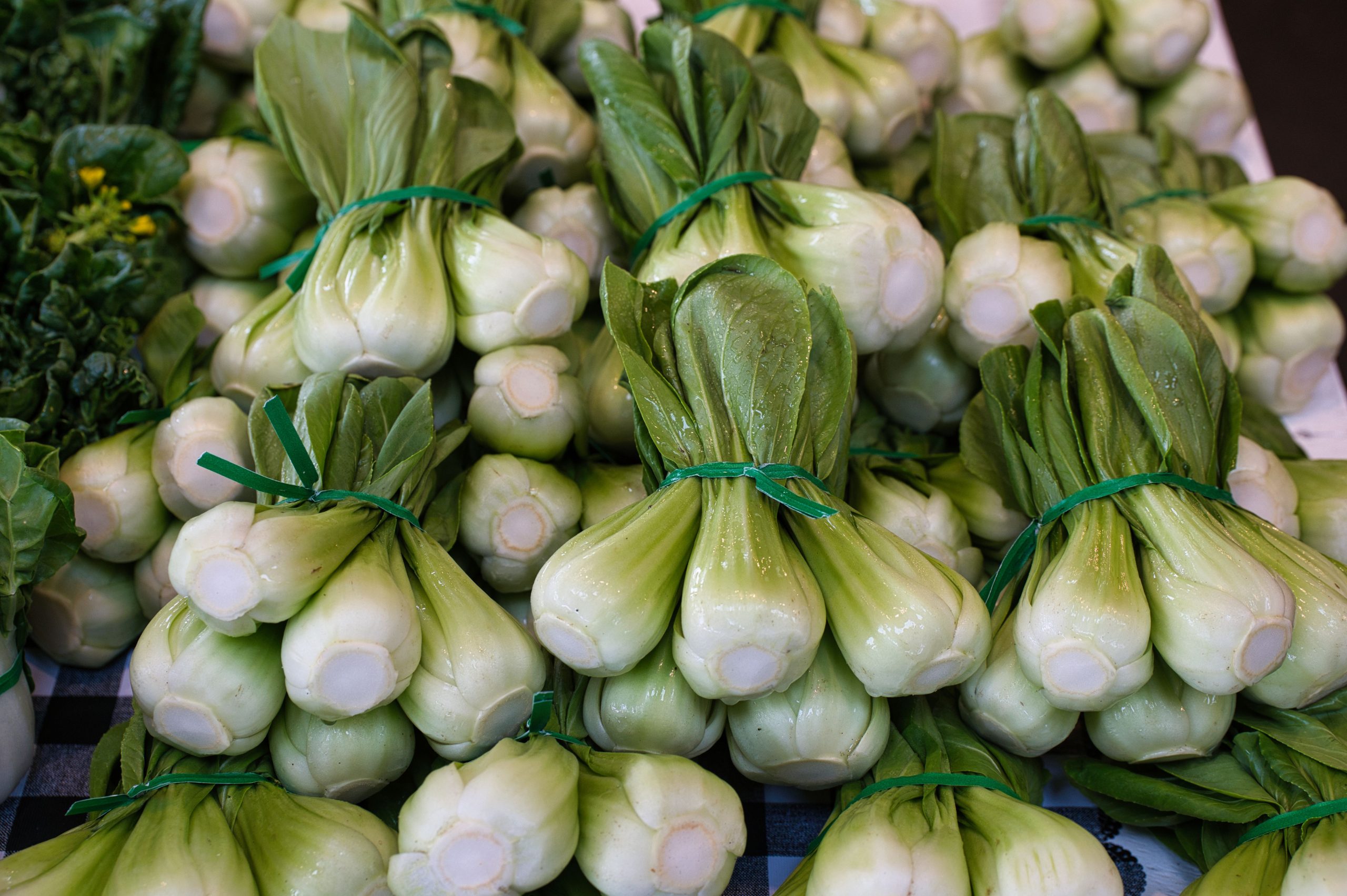
Chinese Cabbage in Nepal is primarily known as Napa Cabbage (or Banda Chiniya) and Bok Choy (Pak Choi). It is widely grown in the hills, mid-hills and Terai during the cool season, specifically from (mid-September to mid-December).
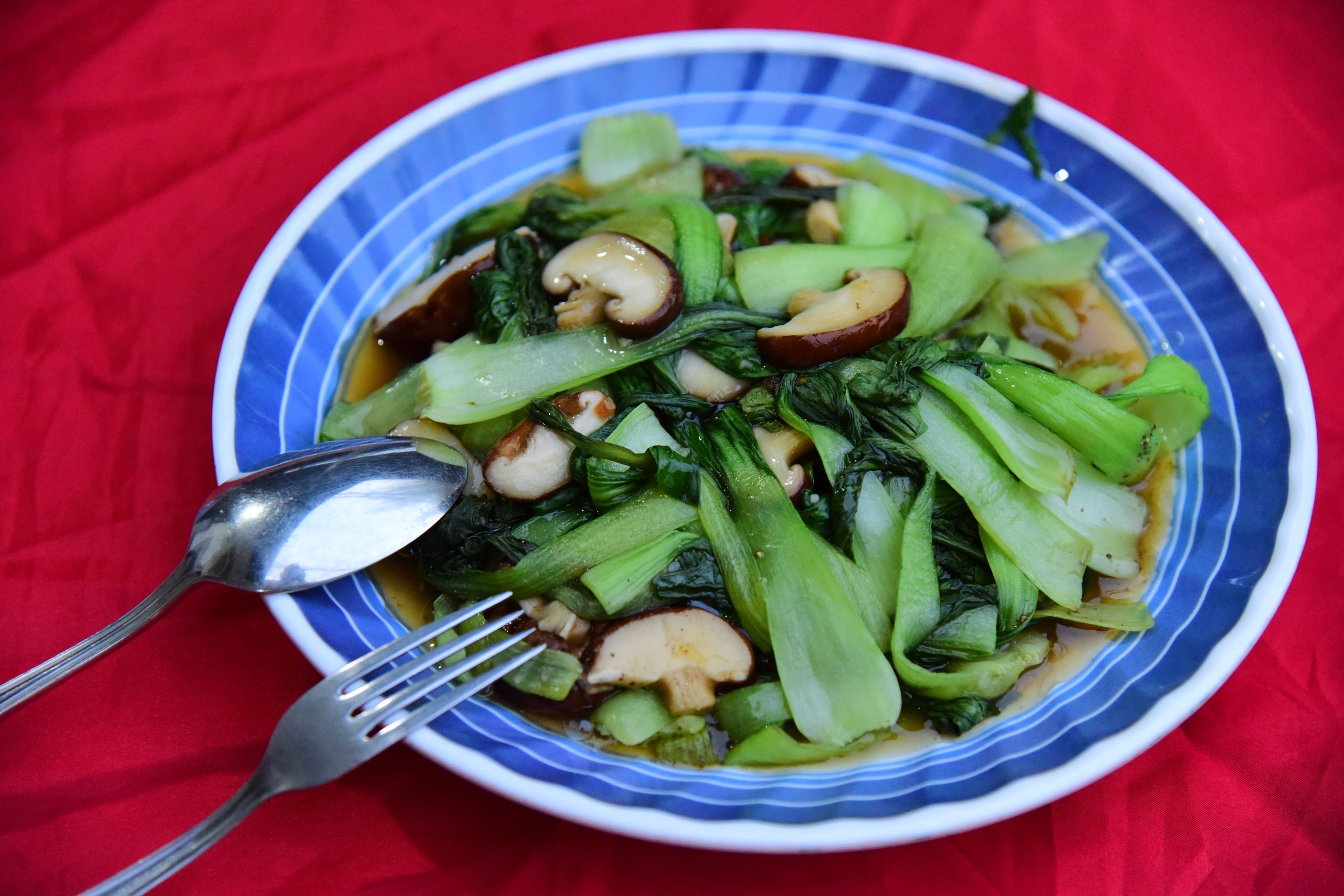
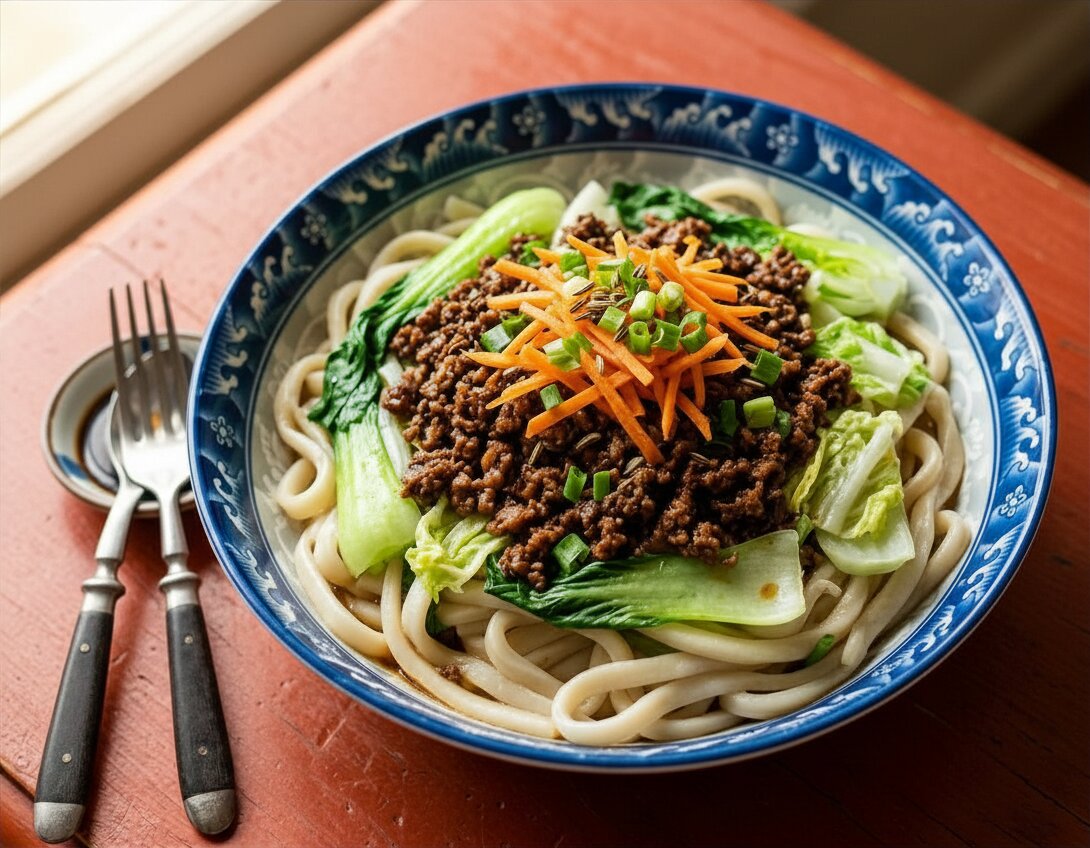
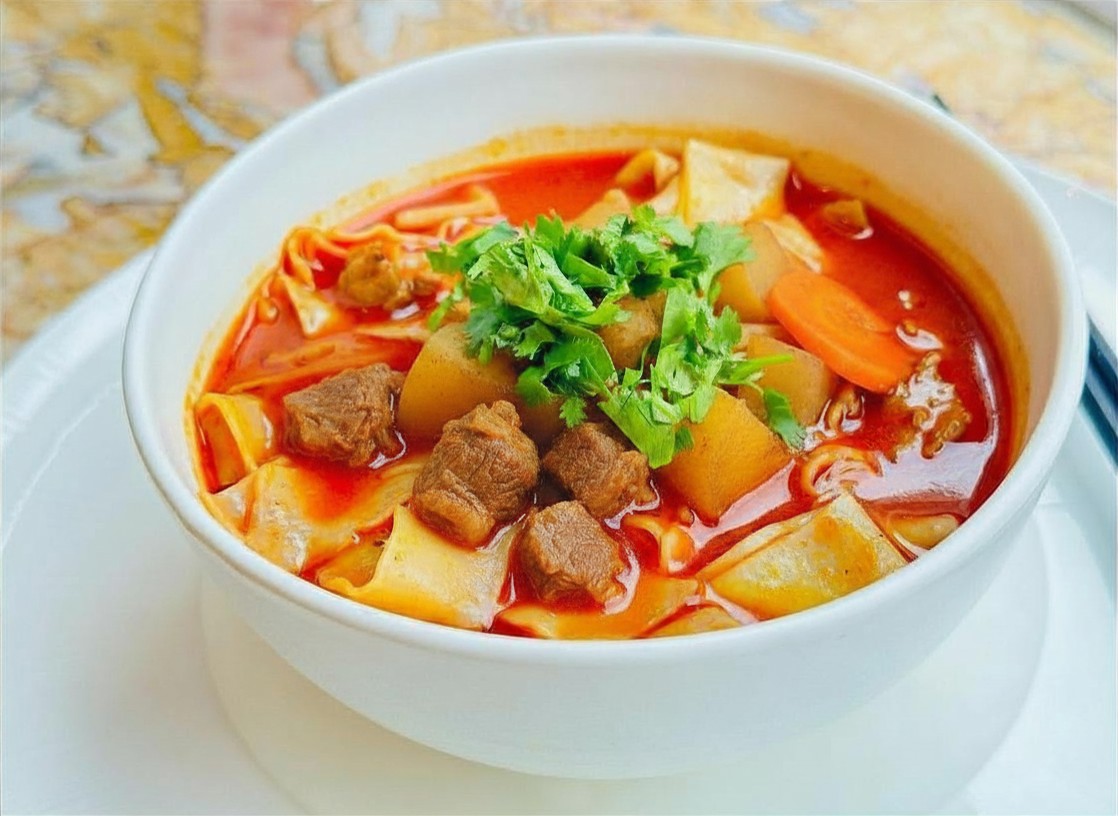
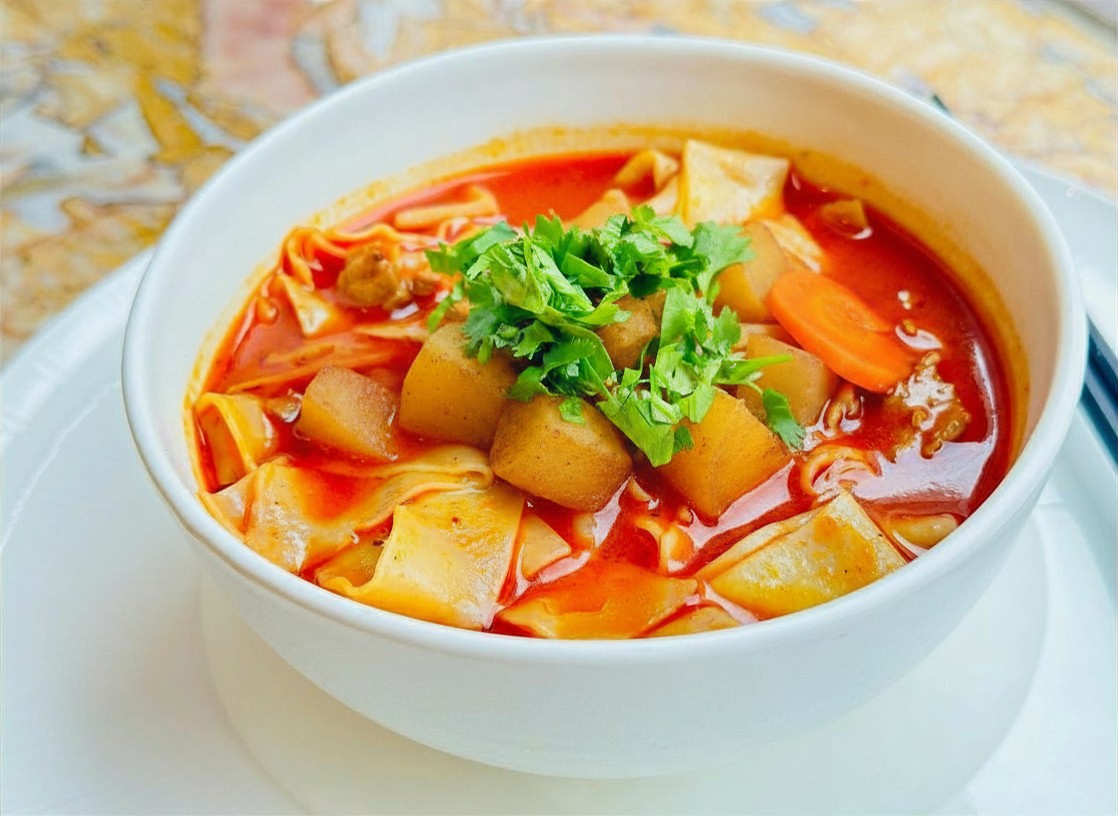
Chinese Cabbage is a popular staple for traditional Nepali stir-fries, soups and homemade kimchi.
It serves as an excellent dietary asset for local communities, boasting dense counts of Vitamin C, Vitamin K, folate, and digestive fiber.
Chinese cabbage is a nutrient-dense vegetable packed with vitamins A, C, and K, as well as folate and calcium. It is incredibly low in calories and high in water, making it a hydrating, weight-management-friendly addition to any diet. Chinese cabbage supports heart health, strengthens bones, aids digestion, boosts immunity, and promotes radiant skin.
The key benefits of Chinese Cabbages include:
- Boosts Immune Function: High concentrations of vitamin C and antioxidants stimulate white blood cell production, helping your body fight infections and combat oxidative stress,
- Supports Digestive Health: Loaded with both soluble and insoluble fiber. It promotes regular bowel movements and optimal gut health. It contains high water content, making it gentler on sensitive stomachs than other cabbages,
- Promotes Strong Bones: It is a great source of calcium and vitamin K, both of which are critical for bone mineralization and reducing fracture risks,
- Promotes Skin & Eye Health: Rich in beta-carotene, which your body converts to Vitamin A. This helps prevent night blindness. The Vitamin C content drives collagen production to maintain skin elasticity,
- Aids Heart Health: The vegetable contains potassium, magnesium, and dietary fiber, which work together to regulate blood pressure and lower cholesterol levels. Folate and vitamin B6 prevent the buildup of homocysteine, reducing the risk of heart disease.
Where is it used?