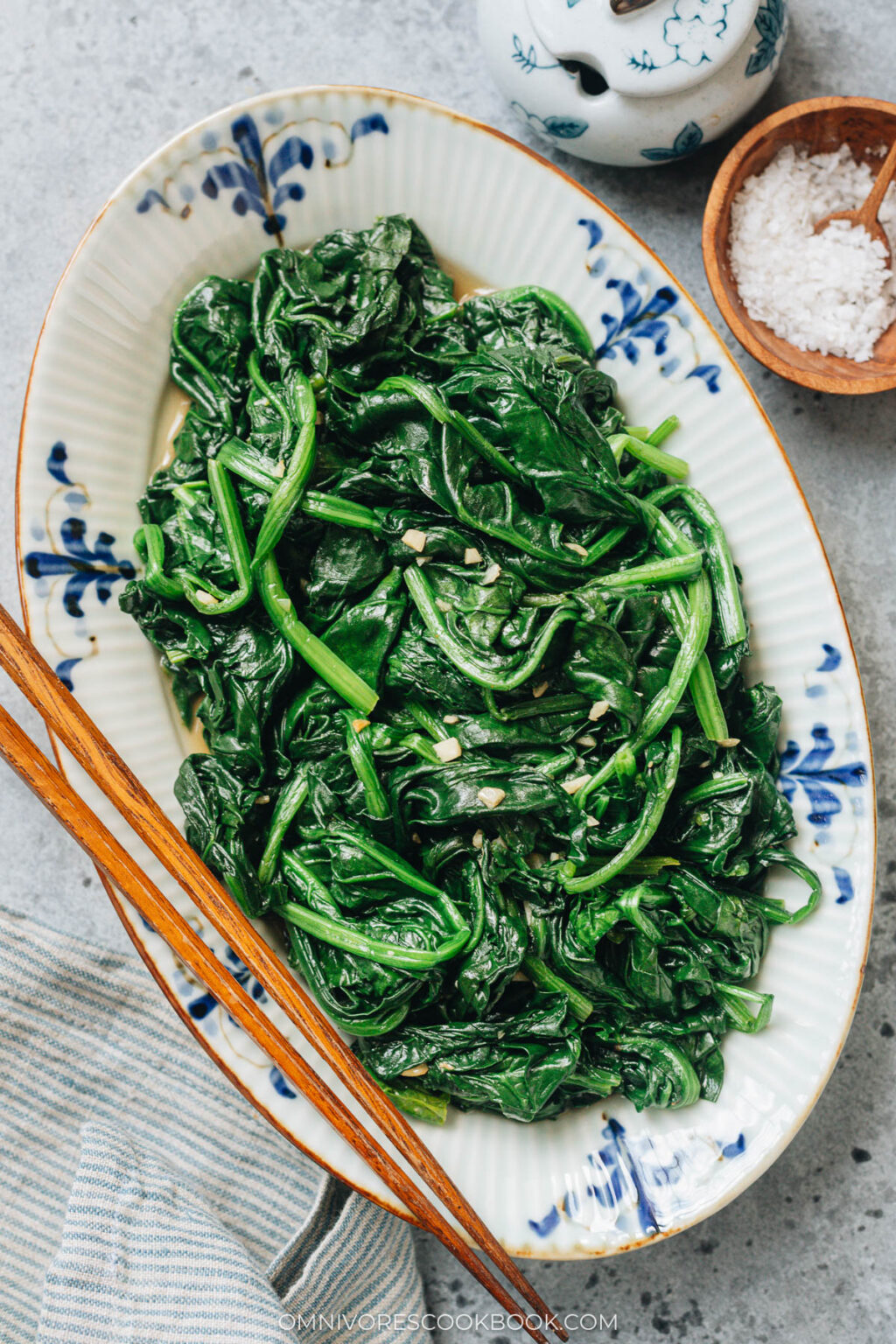
Spinach Leaves
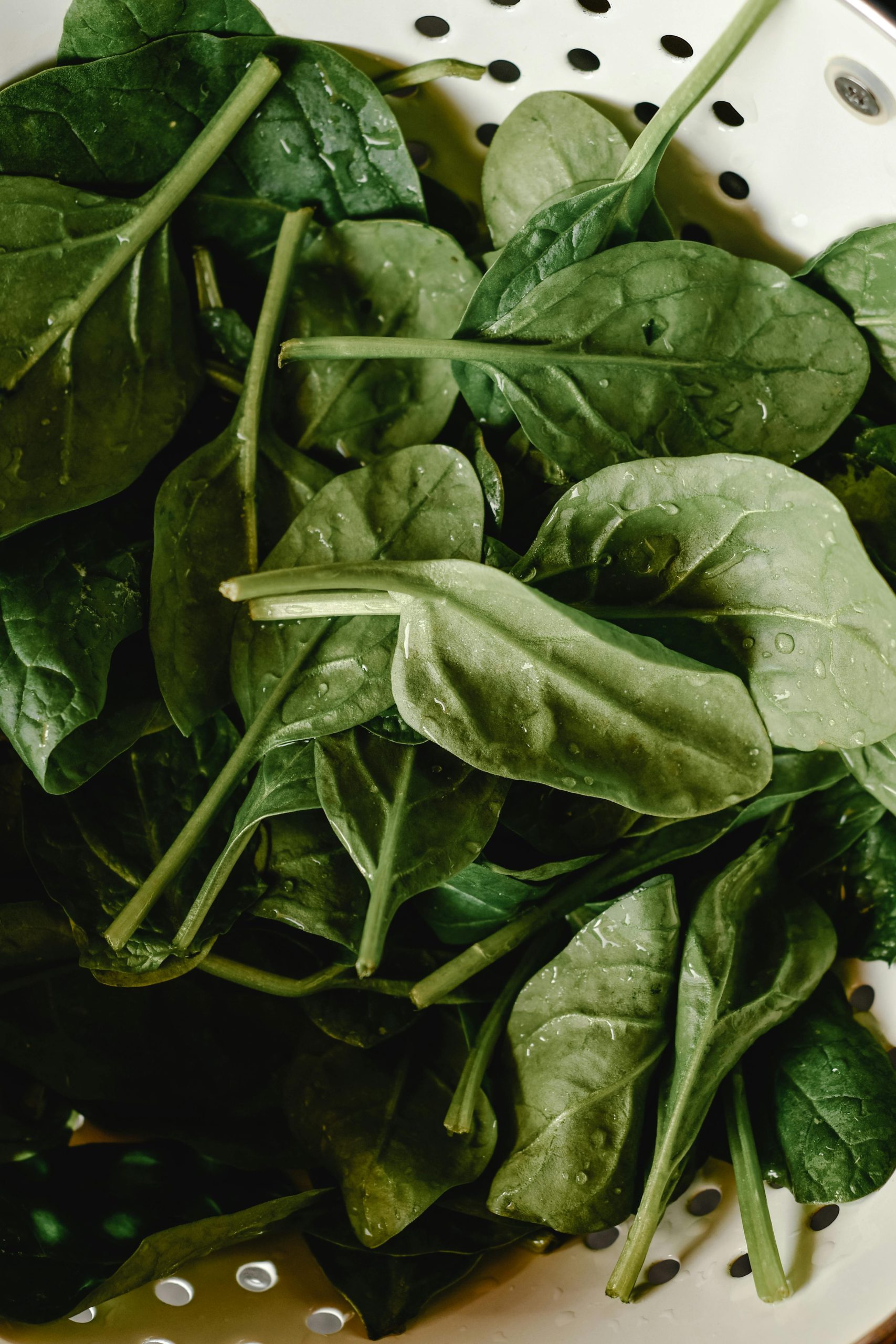
In Nepal, Spinach Leaves are most commonly known as Palungo or Palak. It is a dietary staple and a historically significant crop; records indicate Nepal gifted spinach seeds to China during the Tang Dynasty, which helped the vegetable evolve from an exclusive imperial court item to a household staple there.
Spinach Leaves are highly adaptable and can be grown year-round in many parts of Nepal with seasonal adjustments: In the High Hills, it’s a summer crop, grown whenever temperatures are not freezing.
In the Mid-Hills and the Terai, it’s a winter crop. However, in areas like the Kathmandu Valley, it is grown successfully throughout the year.
Spinach is a nutrient-dense “superfood” that provides a vast range of vitamins, minerals, and antioxidants while remaining very low in calories.
The key benefits of Spinach Leaves include:
- Eye Protection: Rich in lutein and zeaxanthin, spinach acts as an “internal pair of sunglasses,” protecting the eyes from UV damage and reducing the risk of age-related macular degeneration (AMD) and cataracts,
- Heart Health: High in nitrates and potassium, it helps relax blood vessels, lowers blood pressure, and reduces arterial stiffness,
- Bone Strength: It is a major source of Vitamin K, which is essential for bone mineralization and helps prevent osteoporosis,
- Digestive Regularity: Packed with insoluble fiber, spinach adds bulk to stool to prevent constipation and supports a healthy gut microbiome,
- Blood Health: Provides iron and folate, which are critical for red blood cell production and preventing iron-deficiency anemia,
- Cognitive Function: Nutrients like folate, phylloquinone (Vitamin K), and lutein may slow cognitive decline, with some research suggesting heavy consumers have brains that appear years younger.
Spinach is high in oxalates, which can combine with calcium to form stones in susceptible individuals.
Because it is extremely high in Vitamin K1 (which aids blood clotting), individuals on medications like Warfarin should maintain a consistent intake and consult a doctor before making major changes.
Where is it used?