Horse Gram
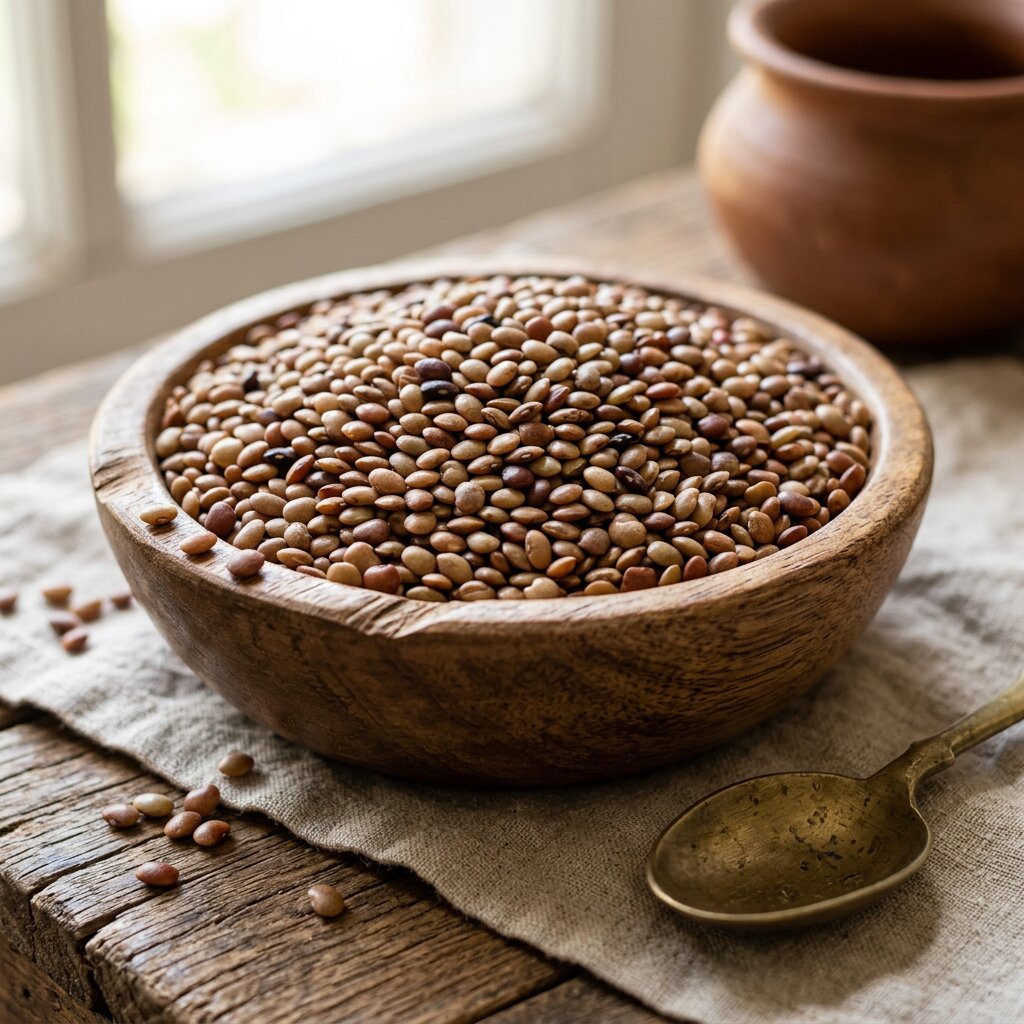
Horse Gram, known locally as Gahat (गहत), is a traditional, highly nutritious pulse grown in the dry and hilly regions of Nepal. Widely celebrated as a superfood, it is rich in protein, iron, and calcium, and is commonly used to make warming winter soups like gahatko jhol.
Horse Gram is a nutrient-dense, plant-based superfood. It is packed with protein, fiber, iron, and calcium. Regular consumption aids weight management, lowers cholesterol, supports digestion, and helps prevent kidney stones.
The key benefits of Horse Grams include:
- Weight Management: High in dietary fiber, which promotes satiety and supports digestion. Traditional bioactive compounds are linked to reduced body weight and fat accumulation,
- Heart Health: It helps lower LDL (bad) cholesterol and triglycerides while managing blood pressure, promoting a healthy cardiovascular system,
- Kidney Stones: Widely used in alternative and folk medicine, drinking horse gram decoction helps prevent, reduce the size of, and break down kidney stones and flush out toxins,
- Rich Plant Protein: It contains the highest calcium content of any pulse and offers an excellent source of protein for vegetarians and vegans,
- Blood Sugar Control: Its low glycemic index and high fiber content help regulate blood sugar levels, reducing insulin spikes,
- Immunity & Respiratory Health: It contains antioxidants, iron, and vitamin C, and is traditionally used to fight colds, fevers, and chest congestion,
- Bone Health: High phosphorus and calcium levels help fortify bones, aiding in the prevention of joint pain and osteoporosis,
- Menstrual Health: The iron and folate content in horse gram water (rasam) helps balance hormones and alleviates painful cramps and irregular periods,
- Medicinal Uses: Traditionally used in Nepal to help manage kidney stones, hemorrhoids, and diabetes.
Because it is highly fibrous and “heaty,” it is recommended to soak it properly for several hours and cook it well to ease digestion and avoid bloating.
Pregnant women or individuals with specific chronic kidney conditions should consult a healthcare provider before making it a regular part of their diet.
Where is it used?
