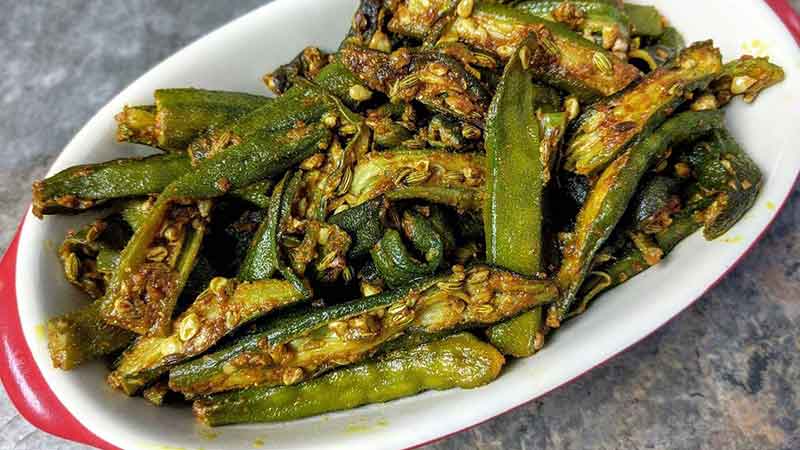
Lady’s Finger (Okra)
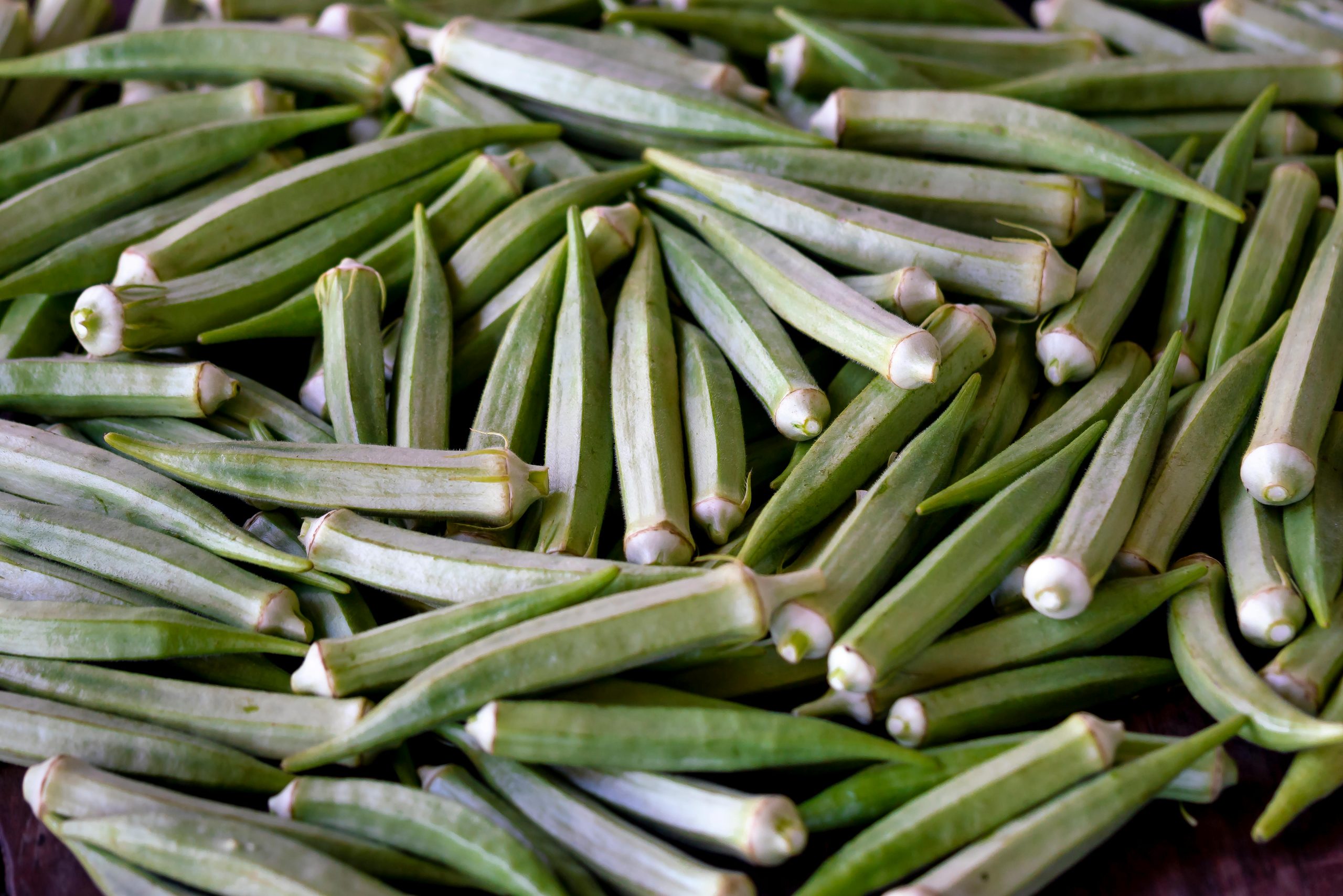
Okra, locally known as Bhindi in Nepal, also known as Lady’s Finger, is a major summer vegetable crop widely cultivated in the Terai and mid-hill regions.
Okra is a nutrient-dense powerhouse packed with fiber, folate, antioxidants, and vitamins C and K1. It provides major health benefits, including stabilizing blood sugar levels, lowering heart disease risks, and supporting healthy pregnancies and digestion.
The key benefits of Lady’s Fingers include:
Okra is a nutrient-dense powerhouse that offers a range of health benefits:
- Manages Blood Sugar: Okra contains high amounts of soluble fiber and a gel-like substance called mucilage. This combination slows down the absorption of sugar in your digestive tract, helping maintain stable blood glucose levels. This makes it particularly beneficial for individuals with pre-diabetes or type 2 diabetes,
- Promotes Heart Health: The soluble fiber in okra can bind to cholesterol during digestion, helping to lower LDL (“bad”) cholesterol and reduce the risk of cardiovascular disease,
- Supports Digestion: The mucilage and pectin in okra act as prebiotics that feed the good bacteria in your gut. This promotes a healthy microbiome and prevents constipation,
- Supports Immune & Skin Health. Rich in vitamins A and C, okra helps strengthen the immune system and promotes collagen production for healthier skin,
- Benefits Pregnancy: A half-cup of cooked okra is an excellent source of folate, an essential B vitamin that prevents neural tube defects in developing fetuses,
- Strengthens Bones: Okra is rich in vitamin K, which plays a vital role in bone health and helps the body properly process and utilize calcium.
The potential risks of okra is that it may contribute to kidney stones in individuals prone to them, it may cause gas, bloating, or diarrhea in people with irritable bowel syndrome (IBS) and it may reduce the absorption of the diabetes drug metformin.
Where is it used?