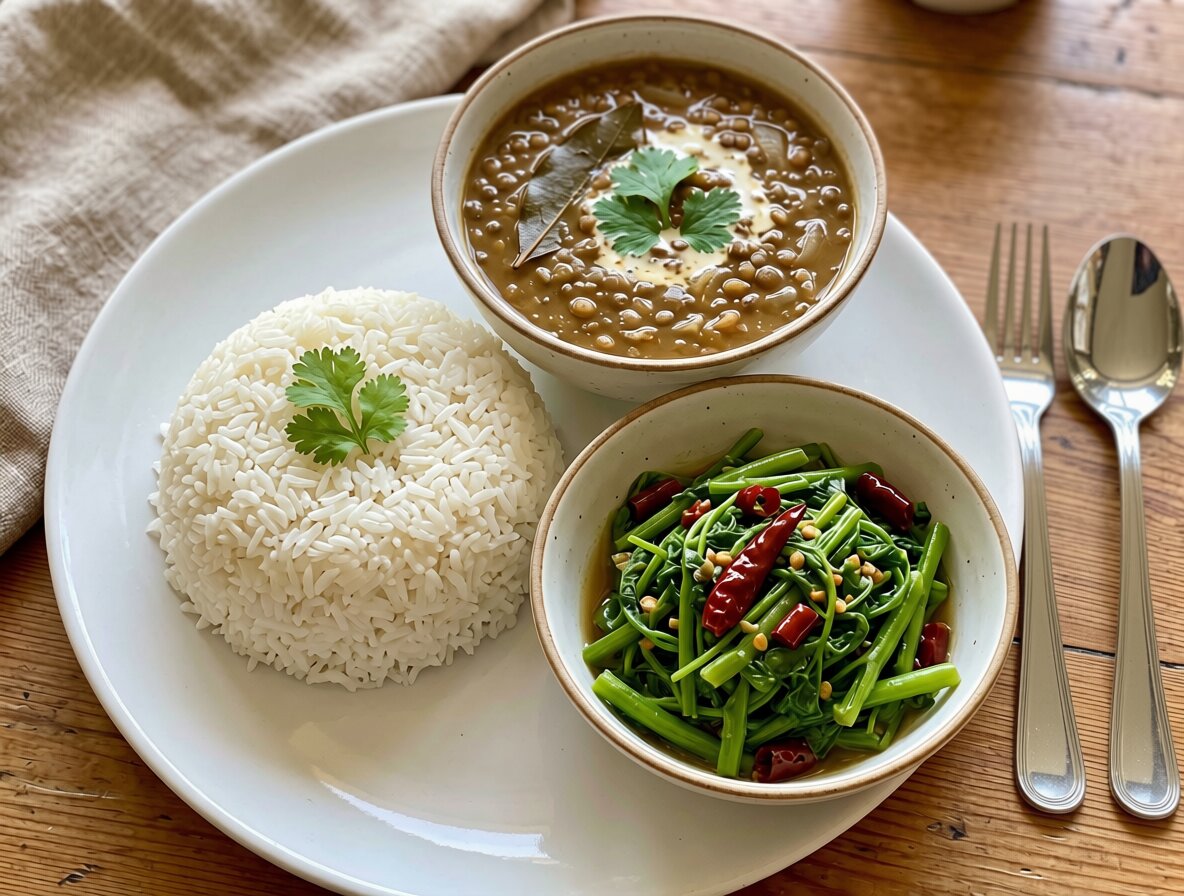
Pumpkin Shoots
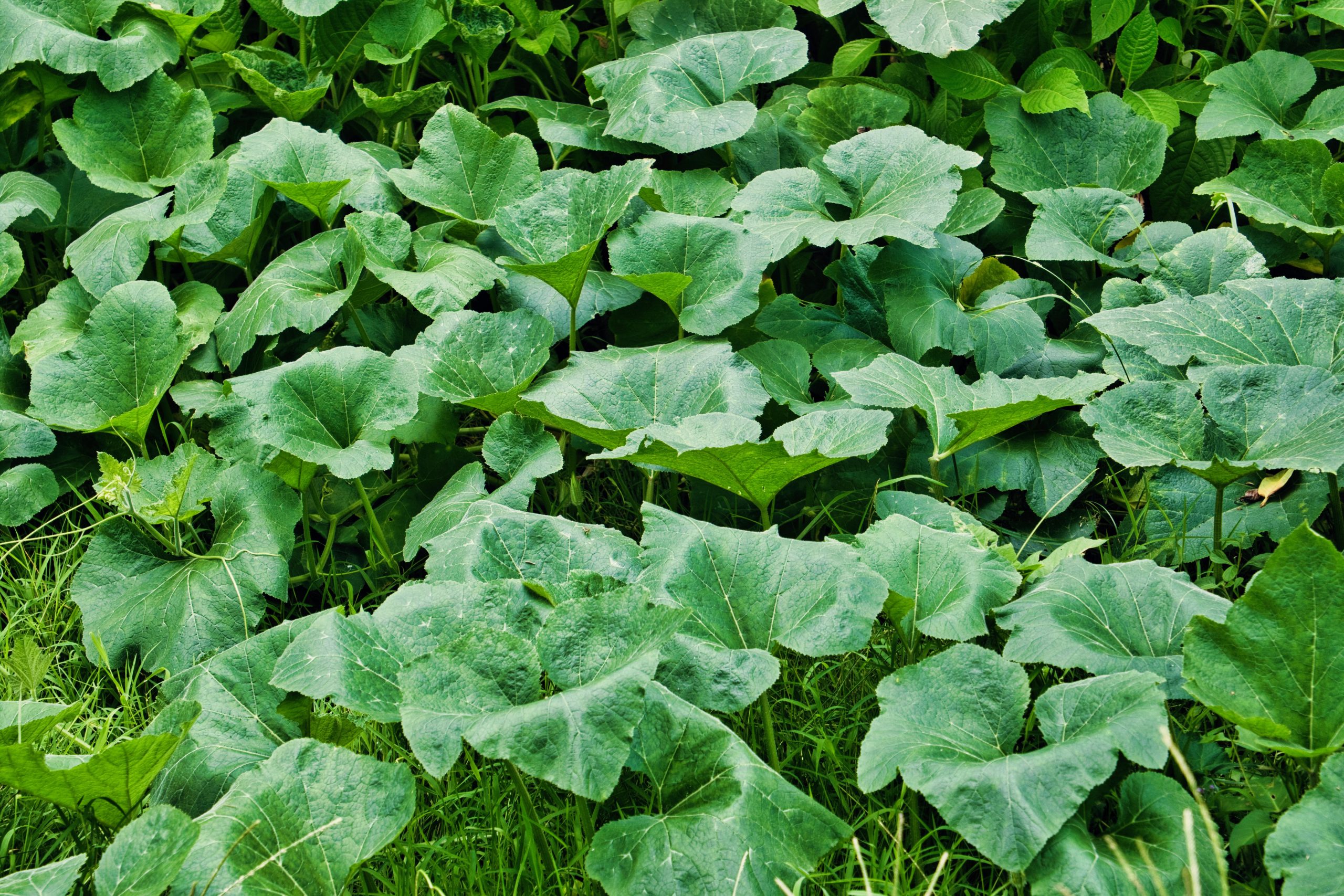
In Nepal, Pumpkin, known locally as Farsi, is a highly versatile and sustainable crop grown across the hilly and lowland regions. Nearly every part of the plant is consumed, from the fruit and seeds to the tender shoots and blossoms.
Pumpkins are typically sowed in March (often alongside maize) and harvested as a warm-season crop during the early monsoon or autumn months.
Pumpkin Shoots (tender stems, tendrils, and leaves) are highly nutritious, low-calorie greens. They are packed with vitamins A, C, and B6, which boost immunity, protect vision, and ease muscle or joint pain. High in soluble and insoluble fiber, they also support digestion and regulate blood cholesterol.
The key benefits of Pumpkin Shoots include:
- Supports Heart Health: The leaves are rich in soluble fiber, which helps reduce cholesterol absorption. They also contain potassium, which regulates blood pressure and reduces cardiovascular strain,
- Promotes Healthy Digestion: The blend of soluble and insoluble fiber regulates bowel movements, promotes healthy gut bacteria, prevent constipation and helps protect colon health,
- Boosts Immunity: They are loaded with Vitamin C, beta-carotene, and antioxidants that help the body fight off infections and accelerate wound healing,
- Improves Bone & Joint Health: They are excellent sources of calcium and magnesium, which maintain bone density. They also contain Vitamin B6, which has been shown to help curb joint and muscle pain associated with conditions like rheumatoid arthritis,
- Protects Vision: Rich in Vitamin A and antioxidants like beta-carotene, pumpkin shoots help protect the cornea, fight oxidative stress in the eyes, and improve night vision,
- Combats Anemia & Boosts Energy: The greens are packed with iron and folate. These nutrients are vital for red blood cell production, helping to fight fatigue and prevent anemia,
- Enhances Skin Vitality: Packed with Vitamins A and C, consuming these greens supports collagen production, improves skin elasticity, and protects your skin from oxidative damage.
Where is it used?