Rice Beans
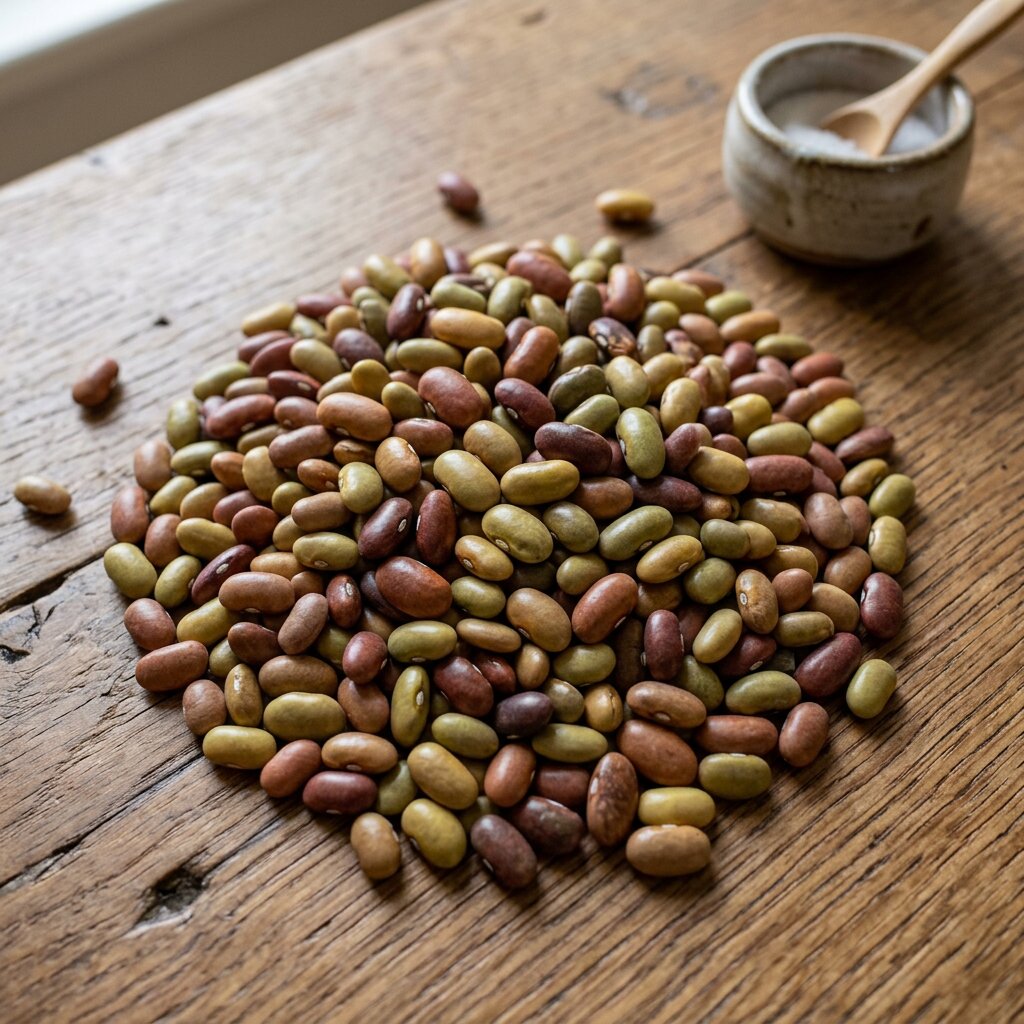
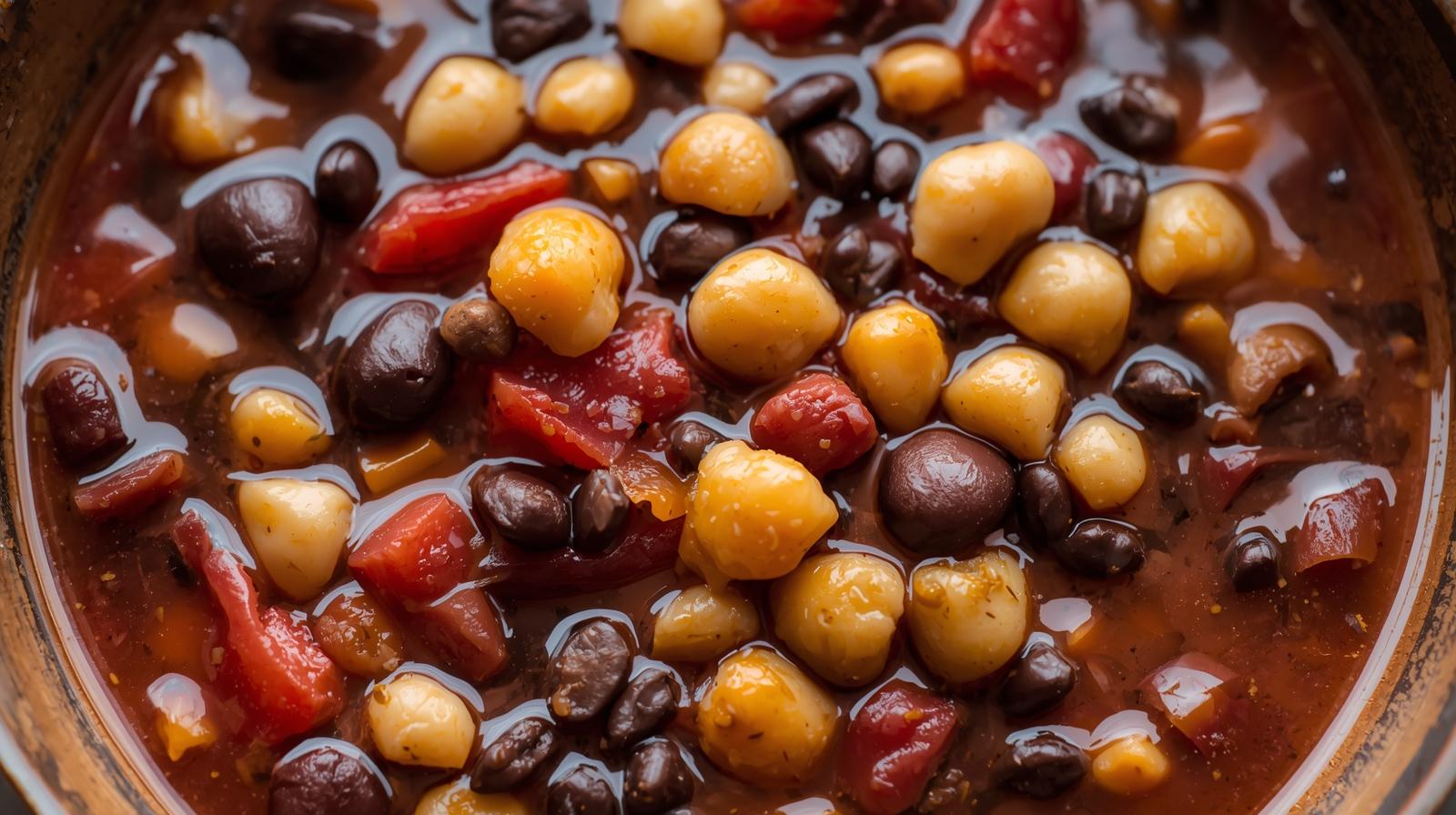
Rice Beans in Nepal, locally known as Masyang, are a nutritious traditional legume mostly grown in the marginal lands of the mid-hills and Himalayan regions, frequently as an intercrop with maize. They are valued for making hearty soups and dal, often paired with staple steamed rice.
Masyang (Rice Bean) provides rich plant protein, high dietary fiber, and essential minerals. It supports healthy digestion, stable blood sugar, and strong muscles.
The key benefits of Rice Beans include:
- High Plant Protein: comprises roughly 20% protein content, making it an outstanding muscle-building and recovery food choice for vegetarians and vegans,
- Easy Digestibility: Unlike many other heavy legumes, its unique amino acid composition makes it light on the stomach and highly digestible. It is an ideal nutritious food option for toddlers, pregnant women, and the elderly,
- Manages Blood Sugar: It possesses a low glycemic index (GI), leading to a slow, controlled release of glucose into your bloodstream. This aids significantly in preventing spike-and-crash cycles for diabetic individuals,
- Heart Friendly: Containing minimal fat and zero cholesterol, its fiber helps bind to bile acids to naturally lower bad LDL cholesterol levels,
- Weight Management: The rich dietary fiber acts as a natural appetite suppressant. It keeps you feeling full longer, limiting total caloric intake throughout the day,
- Combats Iron Deficiency: It serves as a good plant source of iron, helping improve hemoglobin levels and fight fatigue, especially when paired with Vitamin C sources like citrus or tomatoes,
- Rich in Trace Minerals: It is densely packed with crucial bone-building and energy-boosting minerals including calcium, magnesium, and phosphorus,
- Medicinal Uses: Traditionally in Himalayan communities, it has been used to help relieve menstrual issues and reduce inflammation,
- Sustainable Farming: The Masyang plant naturally fixes nitrogen from the atmosphere back into the ground, drastically improving soil fertility for subsequent crops without chemical fertilizers.
Where is it used?