Leaves Ingredients
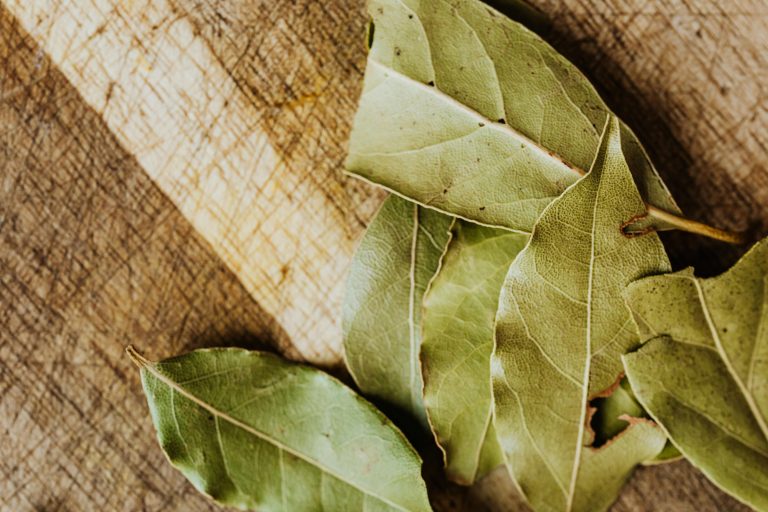
In Nepal, “Bay Leaves” typically refers to Tej Tejpat, also known as Indian bay leaf, which is native to the Himalayas and fundamentally different from the Mediterranean bay laurel used in Western cooking. These aromatic leaves are a staple in Nepali cuisine used for flavoring curries, dals, meat, and rice dishes. Widely available dried, they are staples in Nepali cuisine.
Bay Leaves are packed with antioxidants, vitamins A, B6, and C, and possess anti-inflammatory properties that aid in digestion, regulate blood sugar, reduce bad cholesterol, and boost the immune system. These aromatic leaves can also help relieve respiratory congestion, soothe aches, and potentially aid in kidney stone prevention.
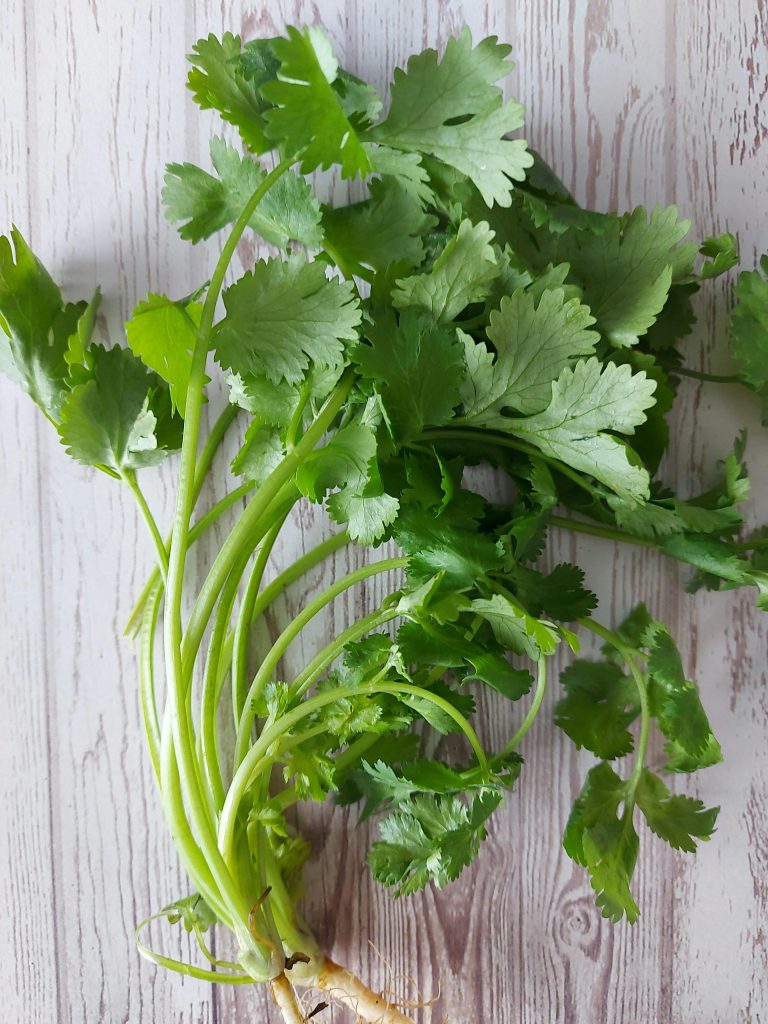
In Nepal, Coriander Leaves, also known as cilantro (locally known as Hariyo Dhaniya) are a vital, daily-use herb. A culinary staple used as a garnish and flavoring for almost every traditional dish (chutney, salad, curry, choila, …).
Coriander Leaves are highly nutritious herbs that offer significant antioxidant, digestive, and heart health benefits. They are particularly rich in Vitamin K which is essential for bone health and blood clotting. Also high amount of Vitamin A and C. iron, calcium, magnesium, potassium, and phosphorus.

Curry Leaves, known locally as meetha neem, are an essential, aromatic herb used for tempering in Nepal, particularly in the Terai and mid-hill regions. They are widely available fresh, dried, or as powder in urban centers. Mainly used for tadka in lentils (daal), curries, and to add a citrusy, aromatic flavor.
Curry Leaves (Murraya koenigii) are a nutrient-dense, aromatic herb packed with antioxidants (vitamins A, B, C, E), iron, and calcium, offering significant benefits for hair growth, digestion, blood sugar control, and heart health. They promote scalp health, improve nutrient absorption, aid weight loss, and possess anti-inflammatory properties.
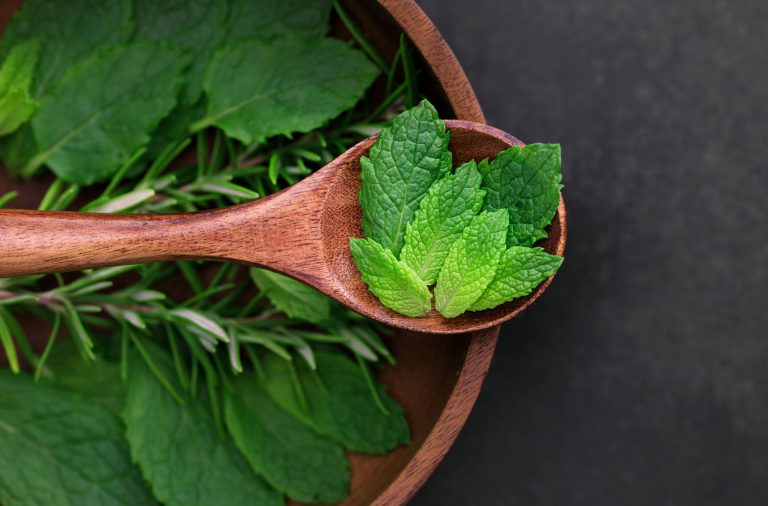
In Nepal, Mint (locally known as Pudina) is a widely available herb used in culinary, medicinal, and aromatic applications. It is primarily harvested between April and June.
Mint Leaves offer significant health benefits, primarily aiding digestion by relieving gas, bloating, and irritable bowel syndrome (IBS) symptoms. Rich in antioxidants and nutrients, they enhance immunity, freshen breath naturally, reduce respiratory congestion, and promote skin health.
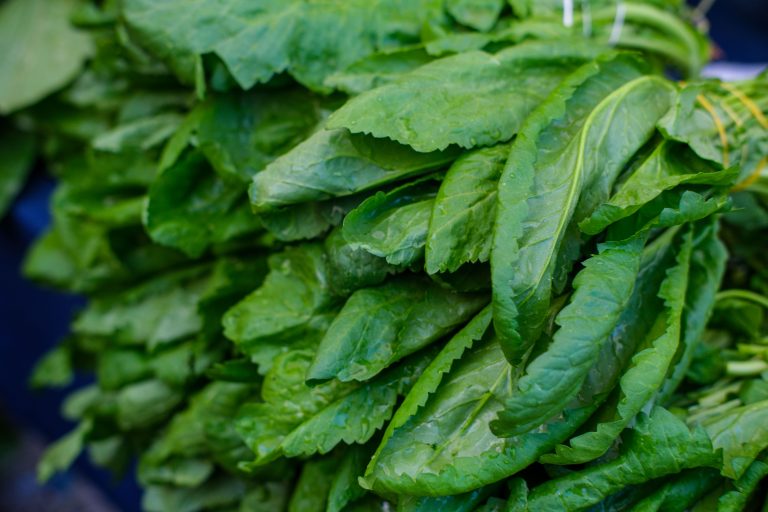
Mustard Leaves, widely known as Rayo (Broad Leaf Mustard) in Nepal, are a cultural staple and nutritional powerhouse. They are a beloved winter vegetable heavily featured in traditional Dal-Bhat as a fresh stir-fry (Rayo ko Saag) or fermented into a tangy dried green called Gundruk.
Mustard Leaves are a highly nutritious, low-calorie, leafy green packed with vitamins A, C, and K, as well as powerful antioxidants. They offer excellent benefits for your heart health by lowering cholesterol, and support bone strength, digestion, and immune function.
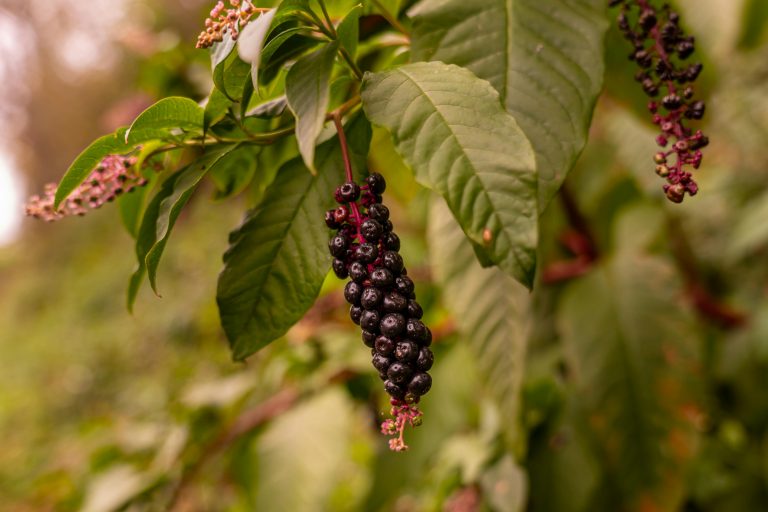
In Nepal, “Pokeweed Green” refers to the young, tender shoots and leaves of the Indian pokeweed, widely known as Jaringo (जरिङ्गो). A traditional wild, leafy green, which grows naturally at the edges of forests, fields, and village trails in the Himalayan region.

In Nepal, Pumpkin, known locally as Farsi, is a highly versatile and sustainable crop grown across the hilly and lowland regions. Nearly every part of the plant is consumed, from the fruit and seeds to the tender shoots and blossoms.
Pumpkin Shoots (tender stems, tendrils, and leaves) are highly nutritious, low-calorie greens. They are packed with vitamins A, C, and B6, which boost immunity, protect vision, and ease muscle or joint pain. High in soluble and insoluble fiber, they also support digestion and regulate blood cholesterol.
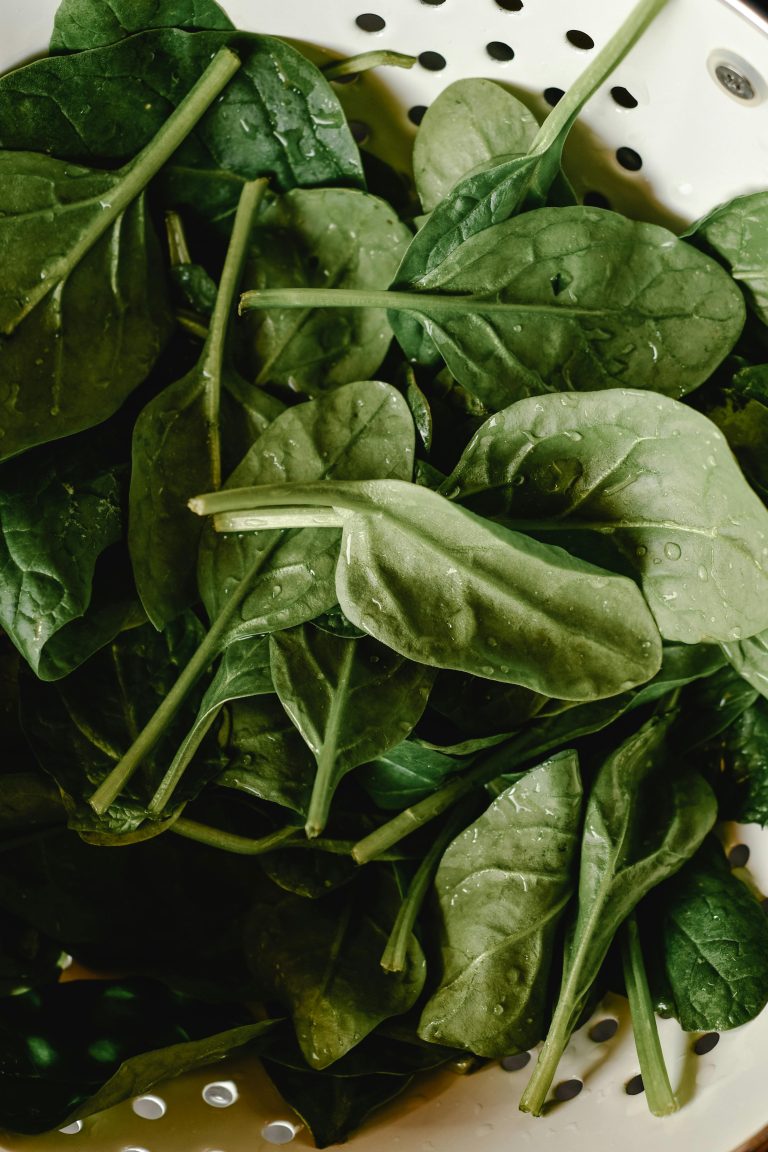
In Nepal, Spinach Leaves are most commonly known as Palungo or Palak. It is a dietary staple and a historically significant crop; records indicate Nepal gifted spinach seeds to China during the Tang Dynasty, which helped the vegetable evolve from an exclusive imperial court item to a household staple there.
Spinach Leaves a nutrient-dense “superfood” that provides a vast range of vitamins, minerals, and antioxidants while remaining very low in calories.
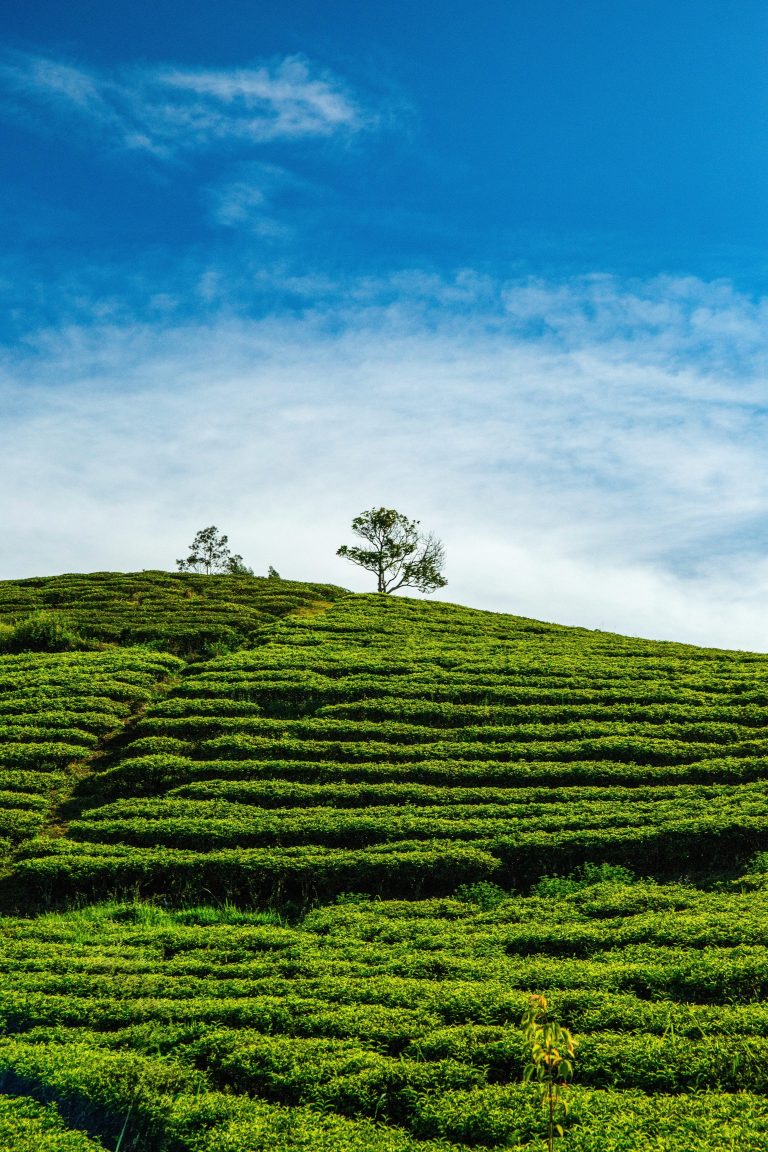
Tea in Nepal is a deep-rooted cultural staple and a vibrant industry, characterized by high-altitude, premium-quality orthodox teas from regions like Ilam and Dhankuta. It produces unique, aromatic black, green, oolong, and white teas, often compared to Darjeeling, alongside CTC (Crush, Tear, Curl) teas, strong, granular tea usually for milk tea (Chiya).
Tea is one of the most studied plants globally, and regular consumption is widely recognized for its potential to support heart, brain, metabolic health. reduced risks of stroke and diabetes, potential weight management, enhanced focus, and strengthened immune systems. Most of these benefits come from polyphenols—powerful antioxidants that protect cells from damage and reduce inflammation.