Bay Leaves
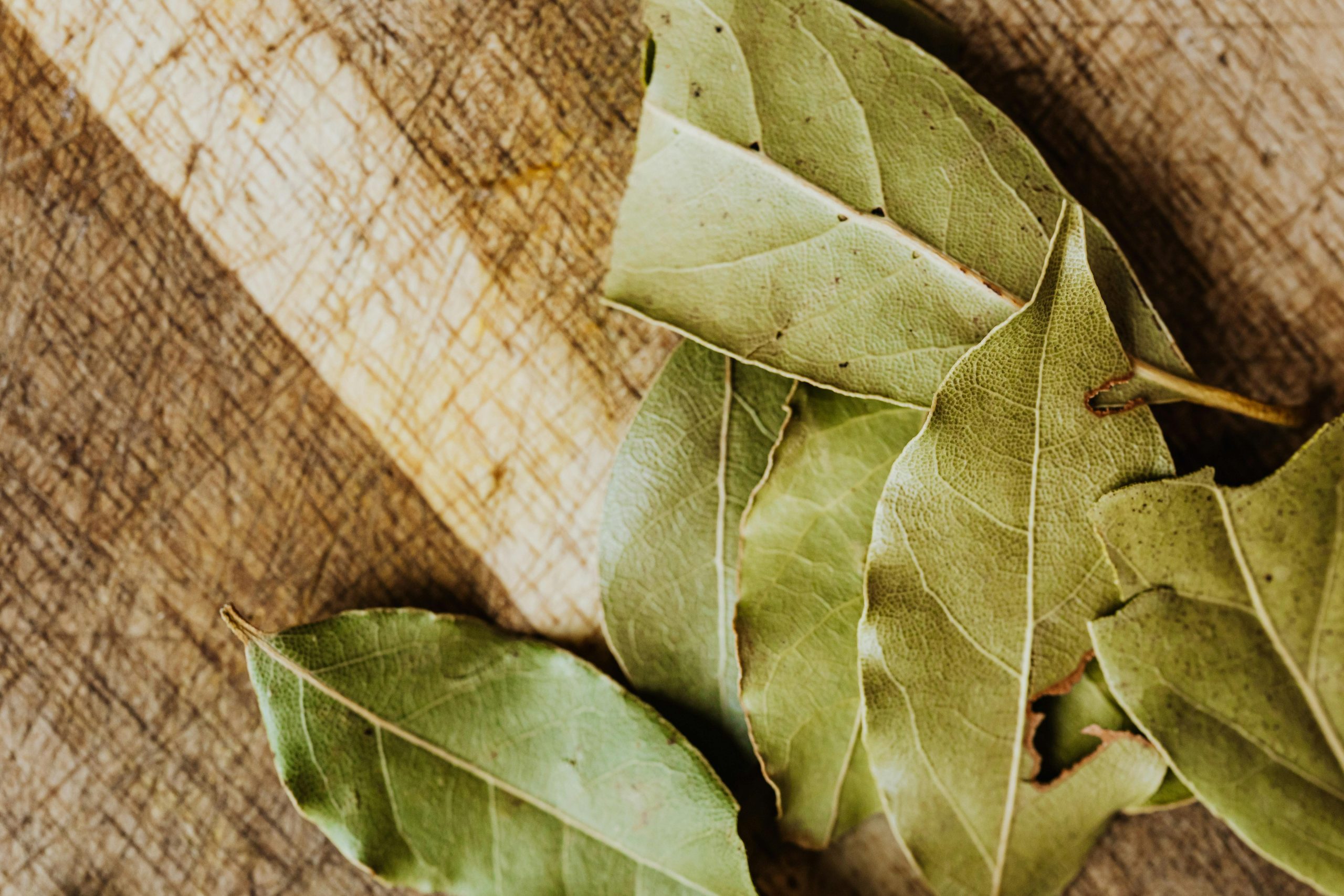
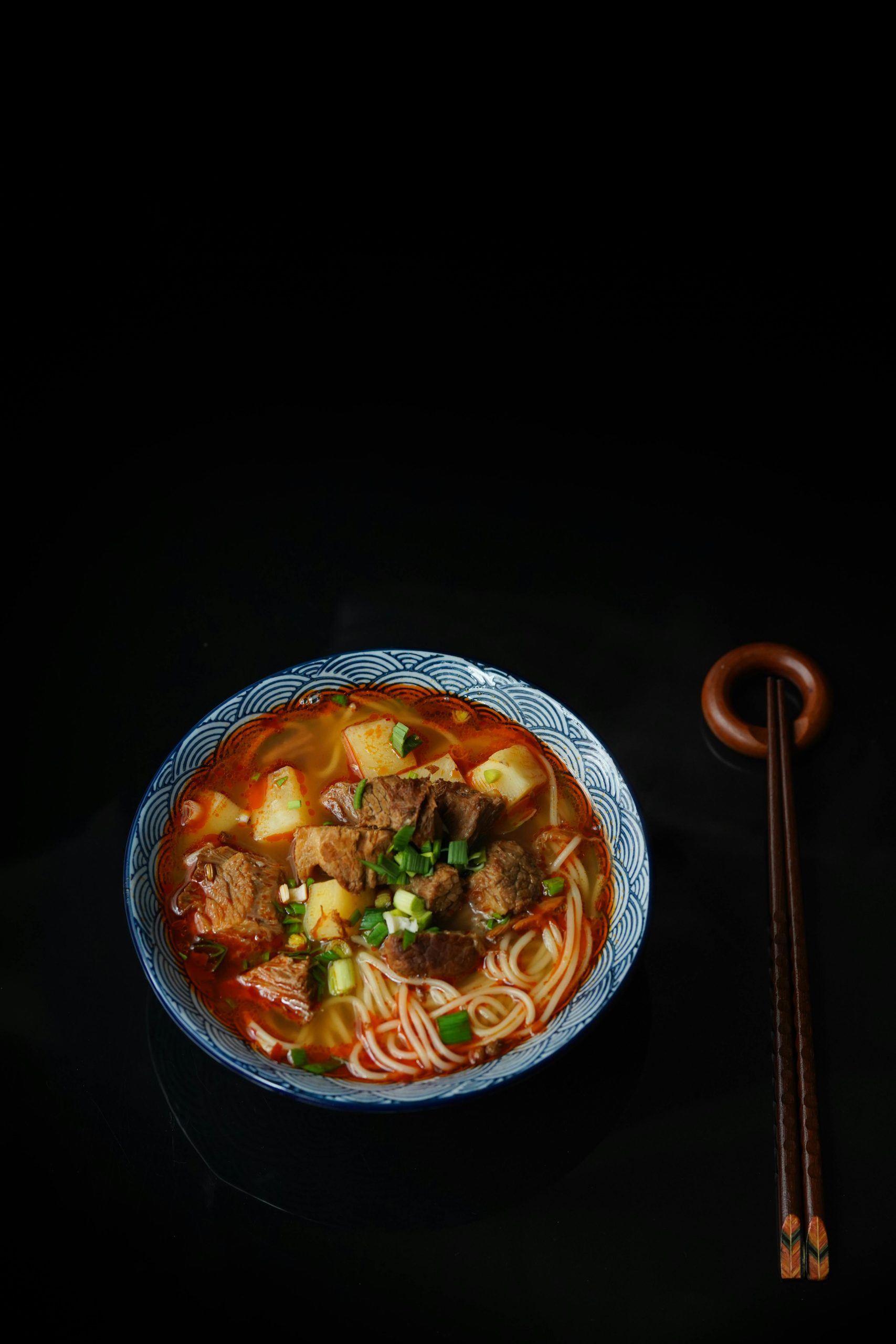
In Nepal, “Bay Leaves” typically refers to Tej Tejpat, also known as Indian Bay Leaf, which is native to the Himalayas and fundamentally different from the Mediterranean bay laurel used in Western cooking. These aromatic leaves are a staple in Nepali cuisine used for flavoring curries, dals, meat, and rice dishes. Widely available dried, they are staples in Nepali cuisine.
Bay Leaves are packed with antioxidants, vitamins A, B6, and C, and possess anti-inflammatory properties that aid in digestion, regulate blood sugar, reduce bad cholesterol, and boost the immune system. These aromatic leaves can also help relieve respiratory congestion, soothe aches, and potentially aid in kidney stone prevention.
The key benefits of Bay Leaves include:
- Digestive Health: Bay leaves help reduce bloating, gas, and constipation by aiding digestion and protecting the stomach lining,
- Anti-inflammatory & Pain Relief: They contain compounds like parthenolide and cineole, which can reduce inflammation, particularly in arthritis, joint pain, or headaches,
- Respiratory Support: Boiling leaves and inhaling the steam acts as an expectorant to clear mucus and relieve coughs or flu symptoms,
- Heart Health: Bay leaves contain compounds that can help reduce bad cholesterol (LDL) and triglycerides, while increasing good cholesterol (HDL),
- Skin & Hair Care: When used as an oil, they can promote hair growth, strengthen hair, and potentially help with dandruff.
Where is it used?