Mint Leaves
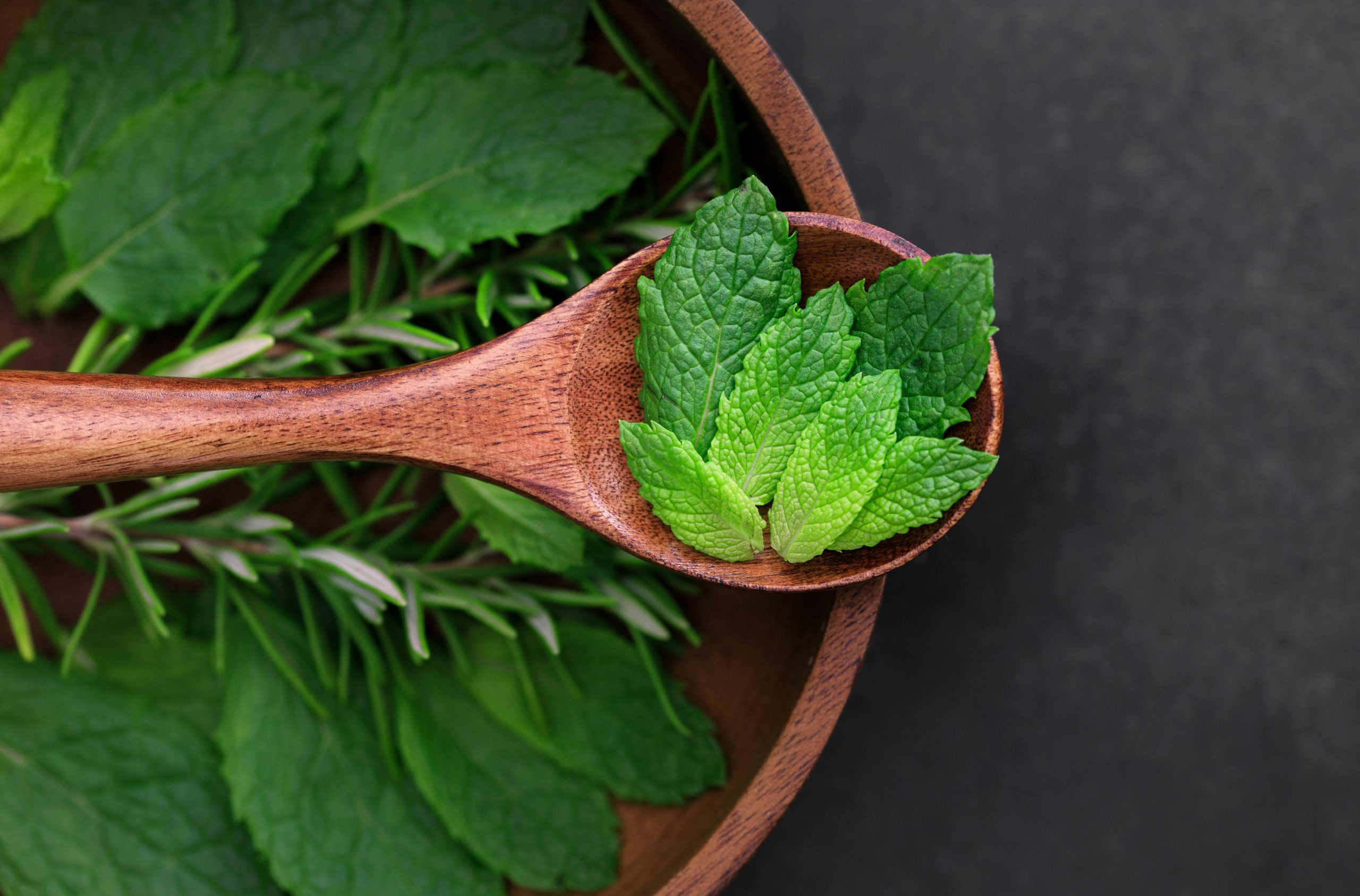
In Nepal, Mint (locally known as Pudina) is a widely available herb used in culinary, medicinal, and aromatic applications. It is primarily harvested between April and June.
Mint Leaves offer significant health benefits, primarily aiding digestion by relieving gas, bloating, and irritable bowel syndrome (IBS) symptoms. Rich in antioxidants and nutrients, they enhance immunity, freshen breath naturally, reduce respiratory congestion, and promote skin health.
The key benefits of Mint Leaves include:
- Improves Digestion: Mint relaxes digestive tract muscles, easing stomach aches, indigestion, and bloating. It stimulates bile flow, helping in faster digestion,
- Respiratory Relief: The aromatic compounds, such as menthol, help clear congestion in the nose, throat, and lungs,
- Oral Health & Breath: Its antibacterial properties combat bad breath, reduce plaque, and support gum health,
- Rich in Nutrients & Antioxidants: Mint leaves contain vitamins A and C, along with minerals like potassium, manganese, and iron, boosting immunity,
- Skin & Hair Health: Mint has anti-inflammatory properties that can soothe skin irritations and acne. It is also used to reduce dandruff and promote hair growth,
- Relieves Stress & Headaches: The aroma acts as a natural stimulant, enhancing alertness and reducing stress and anxiety. Topical application of diluted mint oil can ease tension headaches,
- Supports Weight Management: Being low in calories, mint can be included in diets to aid weight management and control appetite.
Where is it used?


