Soybean
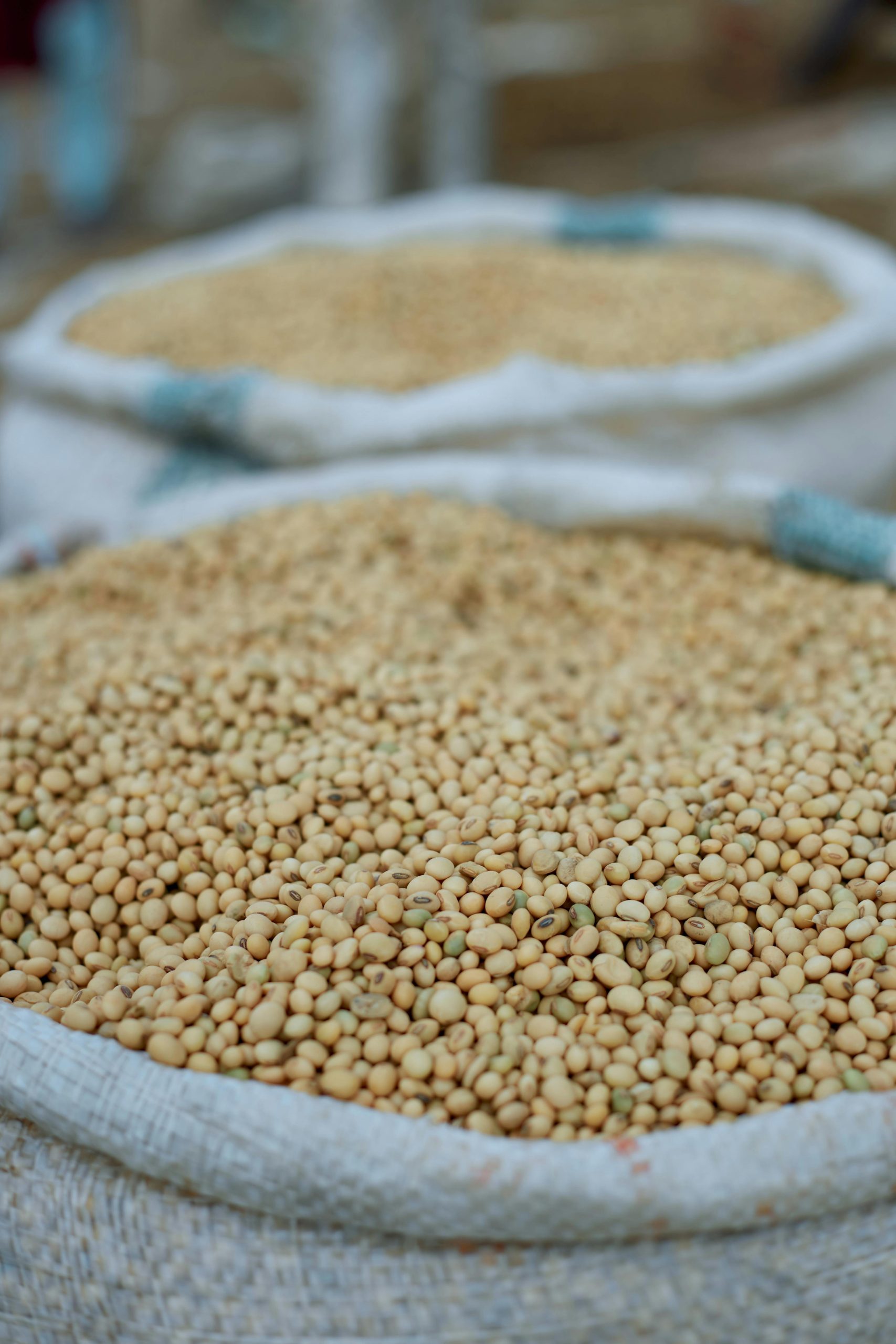
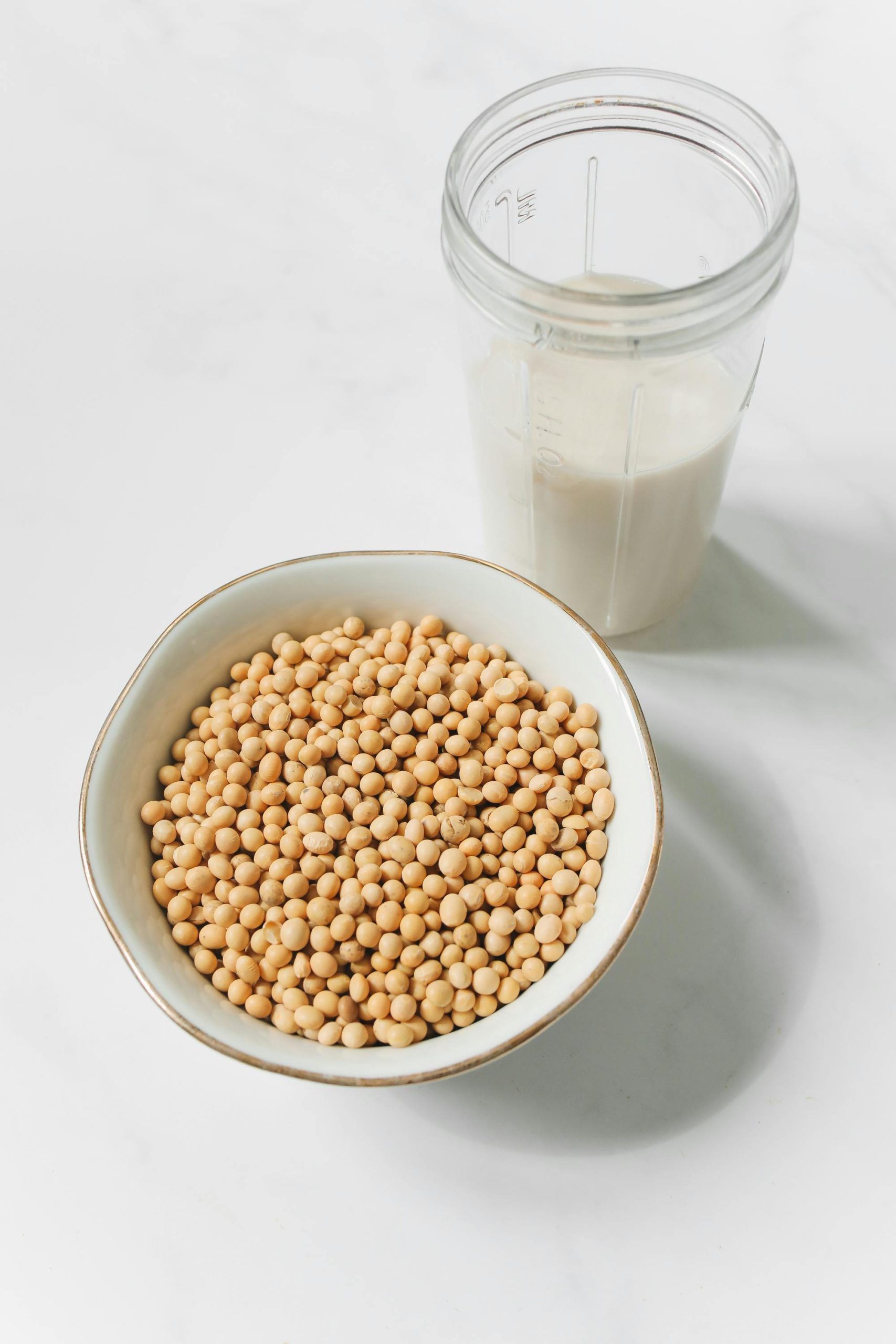
In Nepal, Soybeans (Bhatmas) are a culturally significant staple and a dominant driver of the country’s export economy, primarily through the processing and re-export of soybean oil. Mostly grown in backyards or intercropped with rice in the Terai and maize in the mid-hills.
Soybeans are a good source of fiber, manganese, selenium, copper, phosphorus, and vitamin K. They are a nutrient-dense legume offering a wide array of health benefits, including heart protection, improved bone density, and the relief of menopausal symptoms. As one of the few plant-based foods that is a complete protein, they contain all nine essential amino acids required for human health.
The key benefits of Soybeans include:
- Blood Pressure: Soy isoflavones may lead to a modest decrease in blood pressure, particularly in individuals with existing hypertension,
- Heart Health: Regular consumption can help lower LDL cholesterol and blood pressure, promoting cardiovascular health,
- Arterial Health: Regular soy intake is linked to improved vascular function and greater elasticity of artery walls,
- Benefits for Women’s Health: Soybeans contain isoflavones, a type of phytoestrogen that can mimic or modulate the effects of estrogen in the body,
- Menopause Relief: The isoflavones (phytoestrogens) in soy can mimic estrogen, reducing the frequency of hot flashes,
- Bone Density: Isoflavones help preserve bone mineral density, potentially reducing the risk of osteoporosis and hip fractures in postmenopausal women,
- High-Quality Protein: Contains all essential amino acids, making it an excellent plant-based protein source.
For most people, Soybeans does not affect thyroid function; however, those with hypothyroidism or iodine deficiency should monitor their intake and consult a doctor.
Soybeans is a common allergen, particularly in infants and children.
Where is it used?