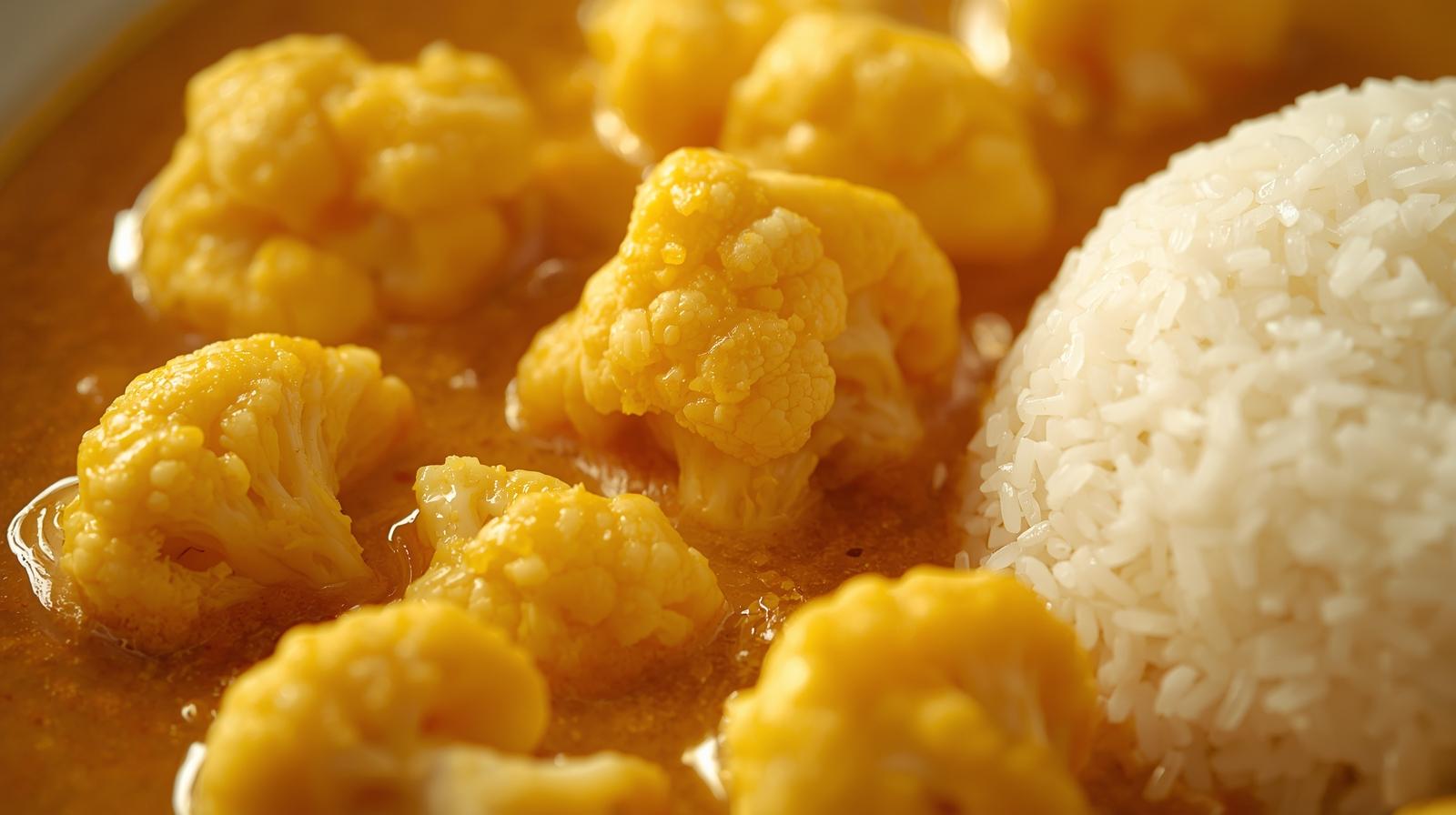
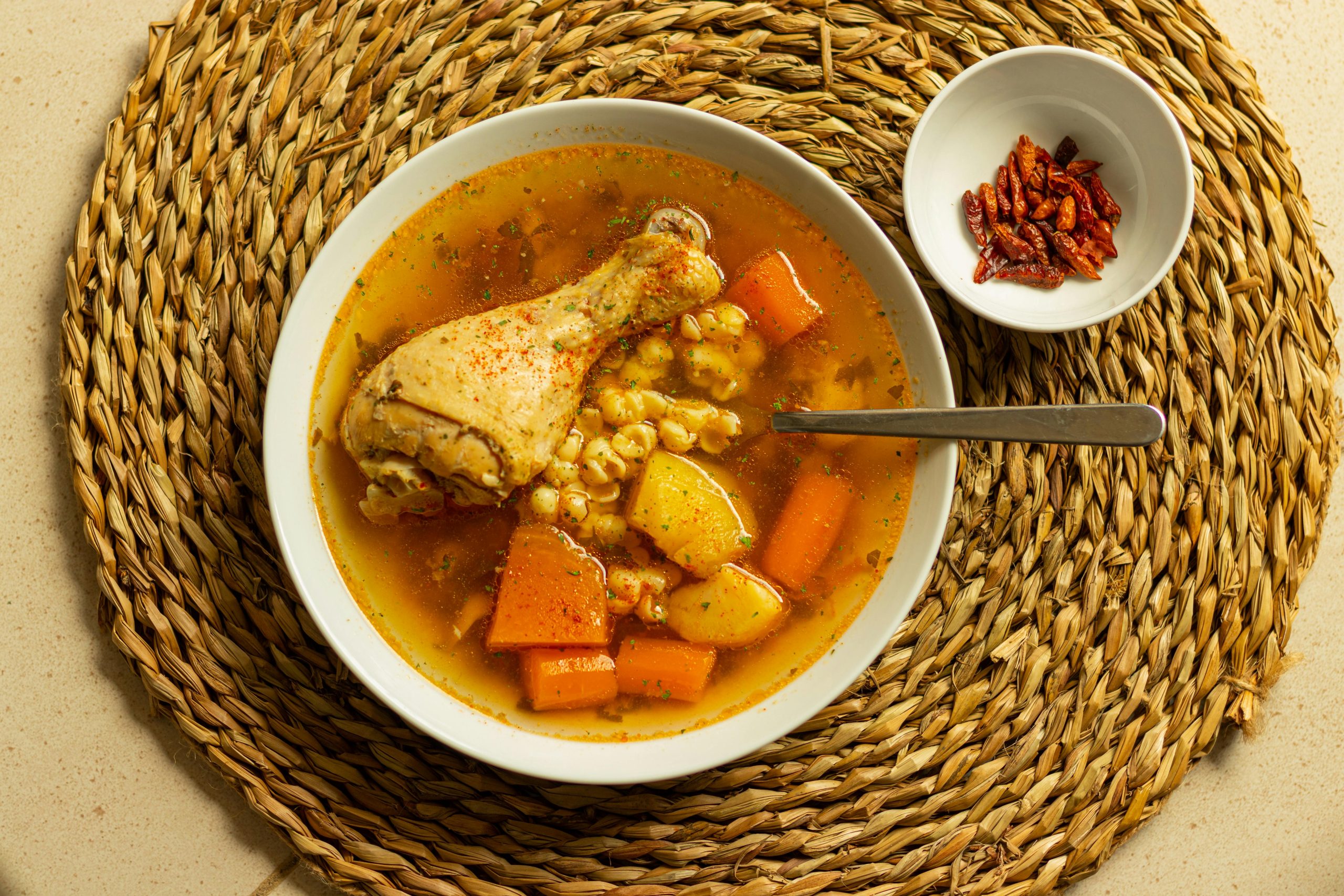
Cauliflower

Cauliflower, known as “Kauli” in Nepali, is one of the most essential and widely cultivated vegetables in Nepal. It is a staple of the Nepali diet, frequently appearing in everyday meals and festive gatherings.
It is grown across the Terai and Hill regions. Major commercial hubs include Kavrepalanchowk (specifically Panchkhal), which supplies a significant portion of the Kathmandu Valley’s demand.
Cauliflower is a cruciferous vegetable that serves as a nutrient-dense “superfood,” offering a wide range of benefits for digestion, heart health, and disease prevention.
The key benefits of Cauliflowers include:
- Weight Management: It is exceptionally low in calories and high in water, making it a filling, low-carb alternative to grains like rice or potatoes,
- Digestive Wellness: Rich in fiber, cauliflower promotes regular bowel movements and acts as a prebiotic to feed beneficial gut bacteria,
- Immune & Skin Support: Ricb in Vitamin C, which is vital for immune function, wound healing, and collagen production for healthy skin,
- Brain Health: It is a rare plant source of choline, an essential nutrient for brain development, memory, mood regulation, and neurotransmitter synthesis,
- Heart Health: Potassium and fiber work together to help regulate blood pressure and lower “bad” LDL cholesterol,
- Bone Strength: High levels of Vitamin K improve calcium absorption and help reduce the risk of fractures and osteoporosis.
Where is it used?