Corn
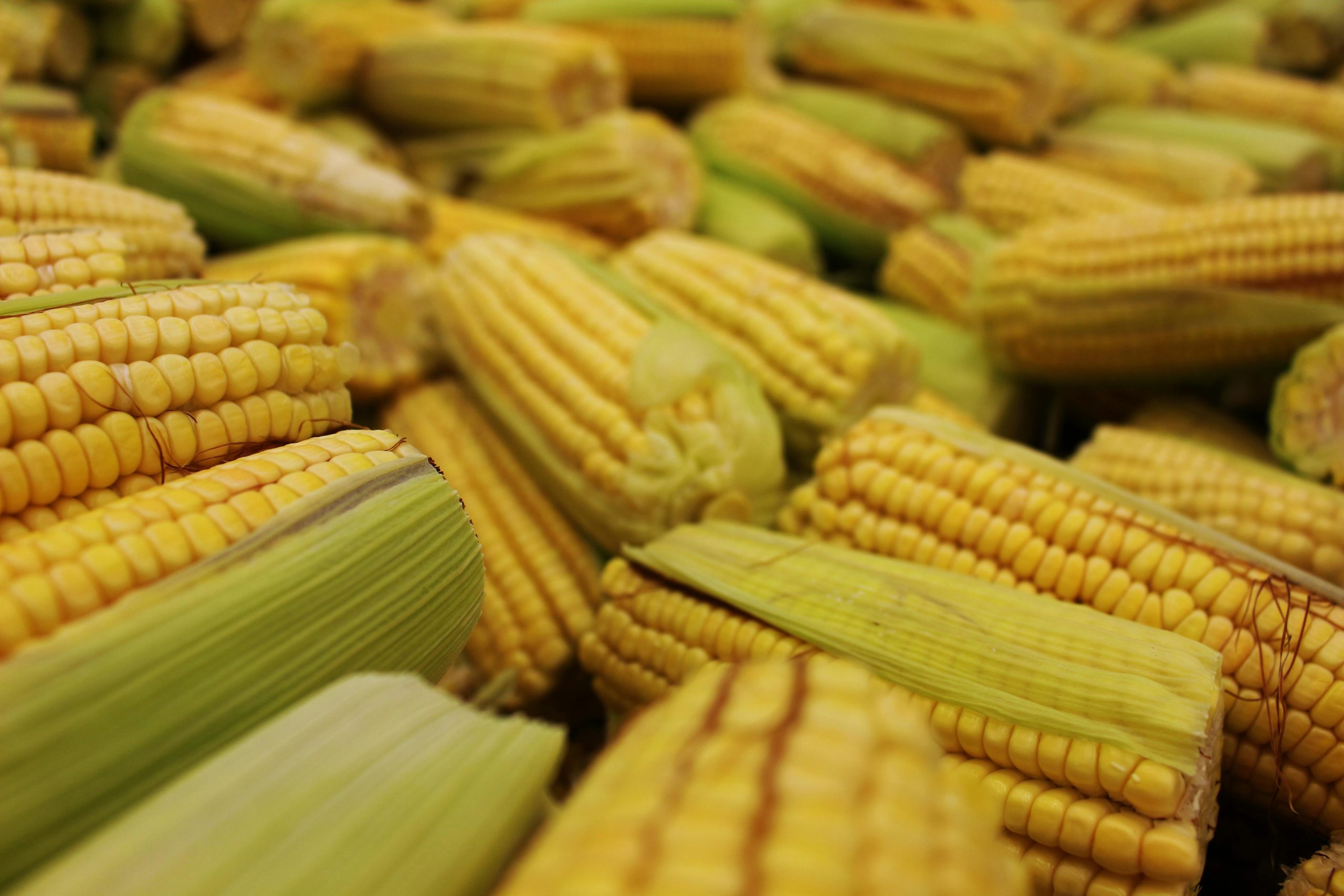
In Nepal, Corn (locally known as Makai) is the second most important cereal crop after rice, traditionally serving as the staple food for people living in the hilly regions.
Corn is a nutrient-dense whole grain that provides essential fiber, vitamins, and unique antioxidants. While often treated as a vegetable, its status as a grain means it offers a rich source of complex carbohydrates for sustained energy.
The key benefits of Corn include:
- Eye Health Support: Corn is rich in the carotenoid antioxidants lutein and zeaxanthin. These compounds accumulate in the retina, where they help filter harmful blue light and may significantly reduce the risk of cataracts and age-related macular degeneration,
- Digestive Wellness: High in insoluble fiber, corn adds bulk to stool to prevent constipation and promote regularity. It also acts as a prebiotic, feeding healthy gut bacteria that produce short-chain fatty acids, which may lower the risk of colorectal cancer,
- Heart Health: The fiber in corn helps lower “bad” LDL cholesterol by binding to bile acids. It also contains potassium and magnesium, which support healthy blood pressure, and phytosterols that further inhibit cholesterol absorption,
- Blood Sugar Management: Despite its starchy nature, corn has a low to medium glycemic index because its fiber content slows the digestion of carbohydrates into glucose, helping to prevent sharp blood sugar spikes,
- Energy Production: Corn provides B-complex vitamins, including thiamine (B1), folate (B9), and B6, which are essential for converting food into usable energy and supporting brain function,
- Pregnancy Support: High folate content makes corn a valuable food for pregnant women, as it is critical for preventing neural tube defects and supporting healthy fetal development.
Where is it used?