Jaggery
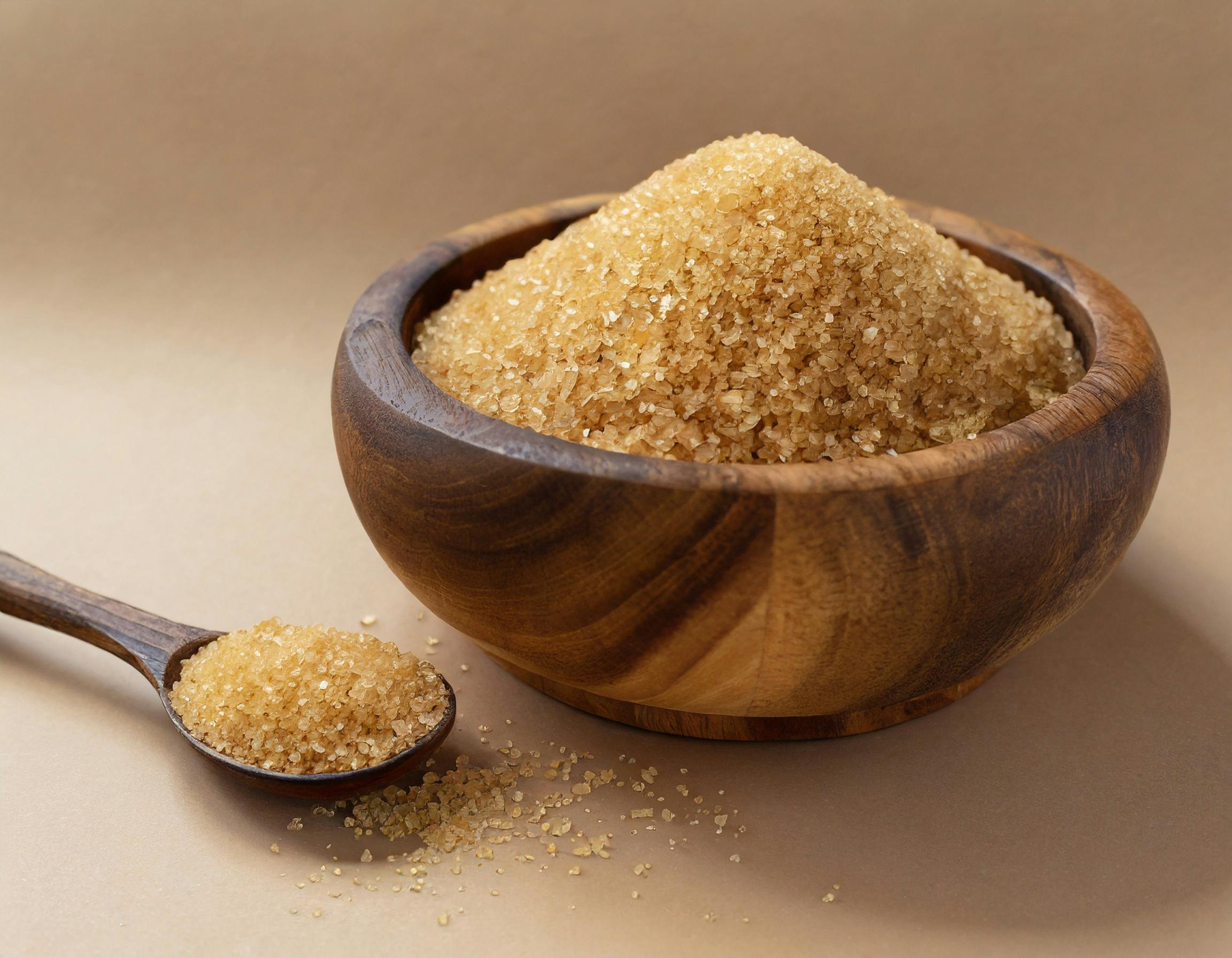
In Nepal, Jaggery is a traditional unrefined sweetener widely known as Sakhar, Gud, or Bheli. It is primarily produced from sugarcane juice that is boiled and solidified into blocks, powders, or pastes.
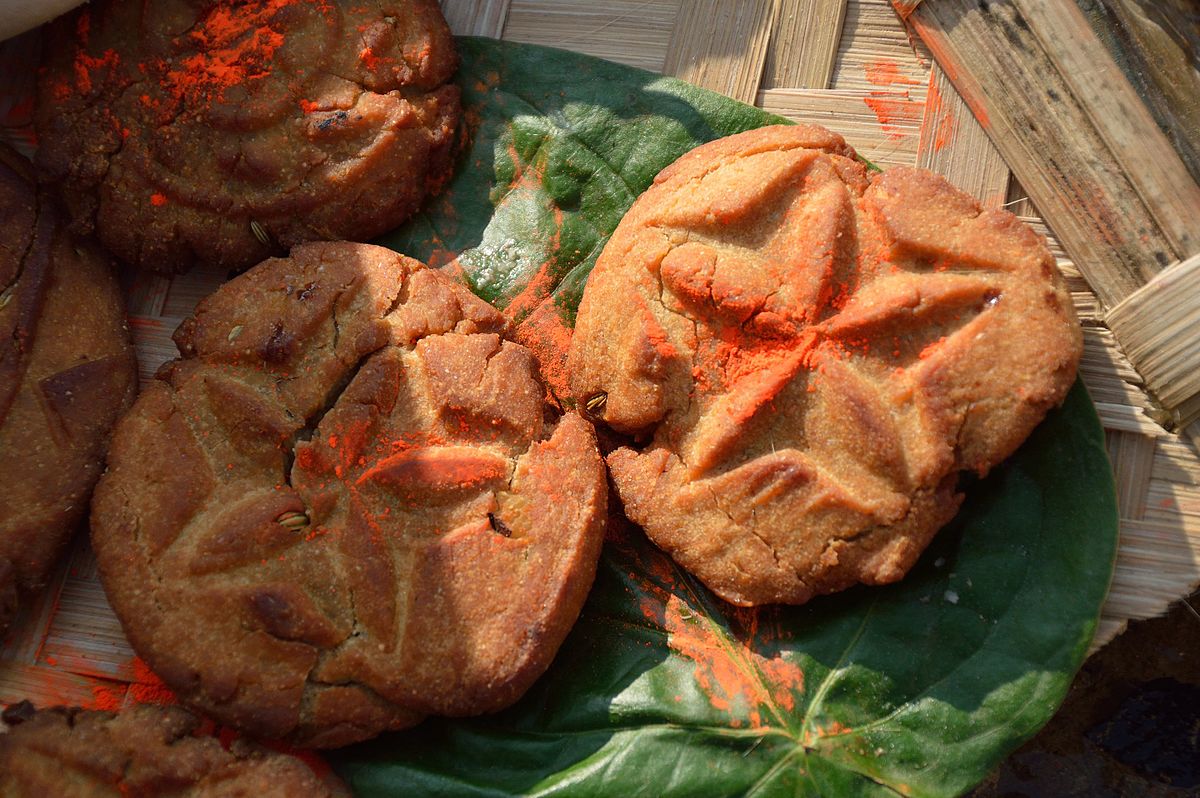
It is widely used for its rich molasses flavor (which provides a range of vitamins and minerals) and nutritional value, It is essential in Nepali households as a healthier alternative to refined sugar, used in tea, desserts, sweets (ex : Chaku) and traditional snacks.
The key benefits of Jaggery include:
- Rich Nutrient Profile: Jaggery is a concentrated source of essential minerals like iron, magnesium, potassium, and calcium,
- Digestive Aid: Traditionally eaten after meals, jaggery stimulates digestive enzymes and acts as a mild natural laxative. This can help improve bowel movements and reduce common issues like bloating and constipation,
- Immunity & Antioxidants: It contains antioxidants and minerals such as zinc and selenium, which help strengthen the immune system and protect the body against seasonal illnesses like the common cold and flu,
- Sustained Energy Release: As a complex carbohydrate, jaggery is digested more slowly than refined sugar. This provides a steadier release of energy and helps prevent the rapid blood sugar spikes and crashes associated with white sugar,
- Respiratory & Blood Health: It is known to help clear the respiratory tract and lungs, making it beneficial for those in polluted environments. Its high iron content also aids in maintaining healthy hemoglobin levels and preventing anemia,
- Liver Detoxification: Jaggery is believed to help the liver flush out harmful toxins by activating natural detoxifying enzymes.
Even though it has a lower glycemic index, jaggery is still mostly sugar and will raise blood glucose. People with diabetes should consult a doctor before including it in their diet.
Where is it used?