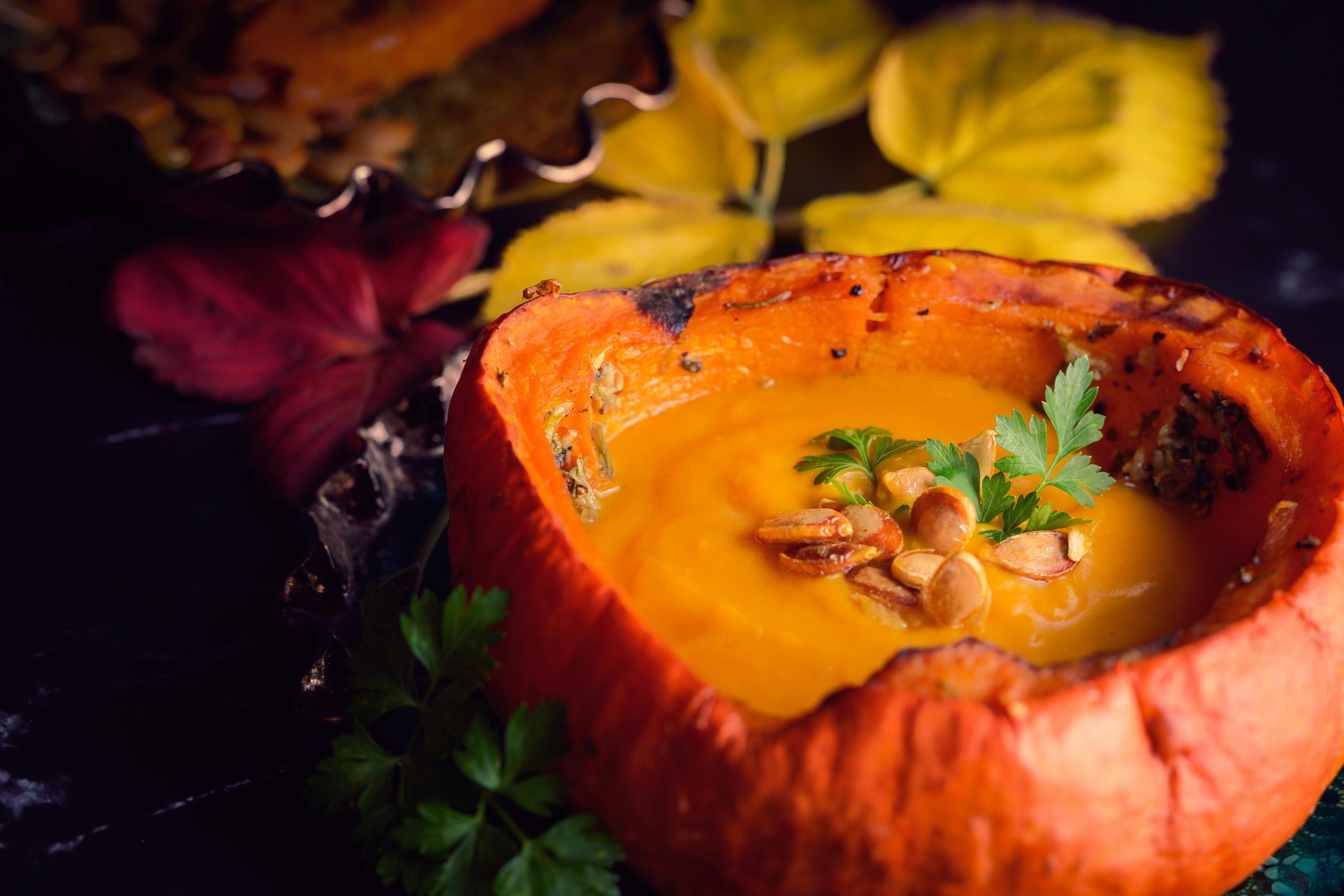
Red Pumpkin
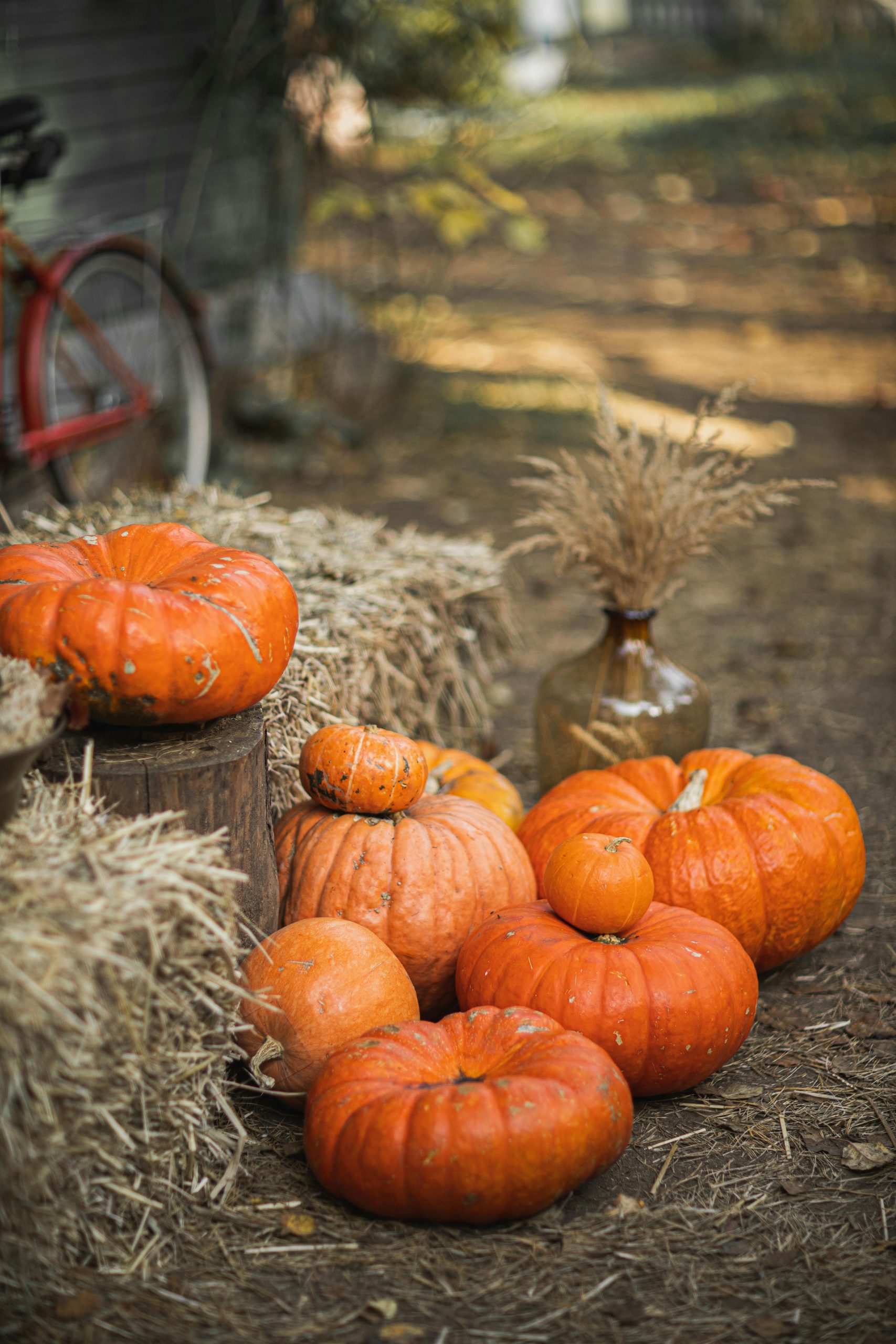
In Nepal, Red Pumpkin, known locally as Farsi, is a highly versatile and sustainable crop grown across the hilly and lowland regions. Nearly every part of the plant is consumed, from the fruit and seeds to the tender shoots and blossoms.
Red Pumpkins are typically sowed in March (often alongside maize) and harvested as a warm-season crop during the early monsoon or autumn months.
Red Pumpkins are nutrient-dense superfoods packed with vitamins, minerals, and antioxidants that support overall health.
The key benefits of Red Pumpkins include:
- Supports Sharp Vision: Rich in Vitamin A. It also contains lutein and zeaxanthin, which help protect against cataracts and age-related macular degeneration,
- Boosts Immune System: High levels of beta-carotene, Vitamin C, Vitamin E, iron, and folate help the body produce white blood cells and fight off infections,
- Promotes Heart Health: Its high potassium content helps regulate blood pressure by counteracting the effects of sodium. Fiber and antioxidants further support heart health by lowering LDL (“bad”) cholesterol,
- Aids in Weight Management: Pumpkin is very low in calories and high in fiber, which promotes satiety and prevents overeating,
- Improves Skin Vitality: Antioxidants like beta-carotene act as a natural sunblock, protecting skin cells from UV damage, while Vitamin C is essential for collagen production, keeping skin supple,
- Enhances Gut Health: The fiber in pumpkin supports regular bowel movements and acts as a prebiotic to feed healthy gut bacteria,
- Sleep & Mood: Rich in tryptophan, an amino acid that helps the body produce serotonin and melatonin for better sleep and relaxation,
- Prostate Health: Compounds in pumpkin seeds and oil may help relieve symptoms of benign prostatic hyperplasia (BPH),
- Bone Health: High in magnesium, which is essential for bone density and strength.
Where is it used?