Radish
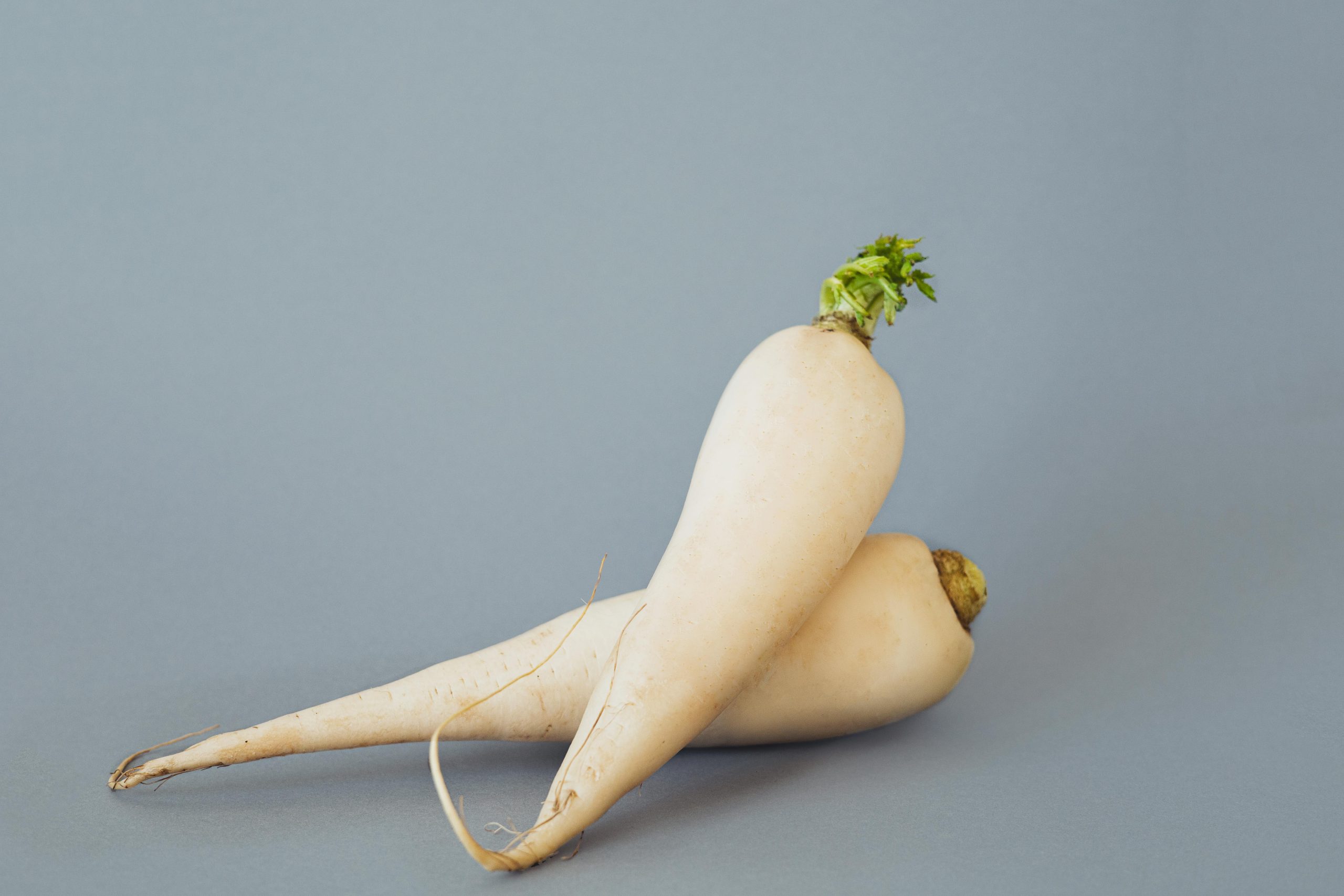
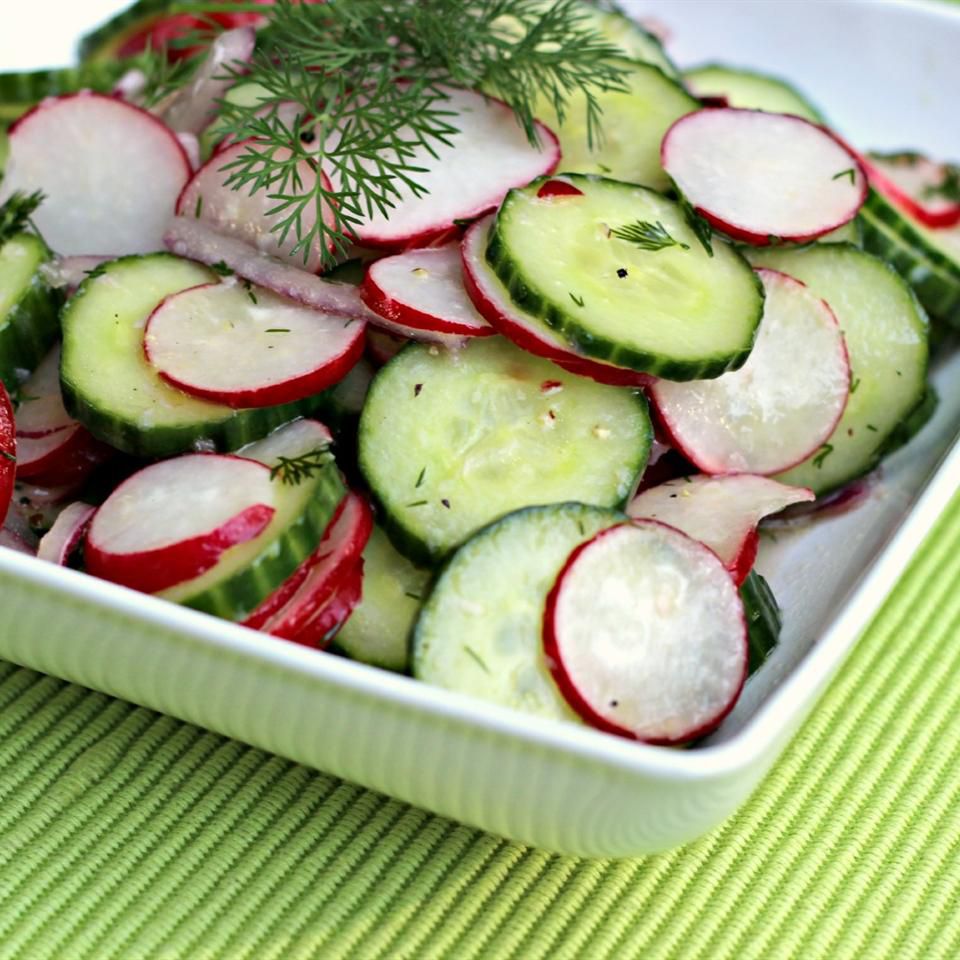
In Nepal, Radish, locally known as Mula, is a staple root vegetable valued for its pungent flavor and versatility in traditional preservation methods like fermenting and sun-drying. It is widely grown across the Terai, hills, and high mountains, with specific varieties adapted for each region.
In the hills, planting typically occurs from August to November, while in the Terai, it is best planted from July to September.
Radishes are nutrient-dense root vegetables that offer a range of health benefits, from improving digestion to supporting heart health. They are particularly valued for being low in calories while high in essential vitamins and minerals.
The key benefits of Radishes include:
- Digestion & Gut Health: Radishes are a great source of fiber, which promotes regular bowel movements and prevents constipation. They also contain natural enzymes that stimulate bile production, aiding in the breakdown of fats,
- Heart Health & Blood Pressure: Rich in potassium, radishes help balance sodium levels and relax blood vessel walls, which can lower blood pressure. They also contain anthocyanins, antioxidants that may reduce the risk of cardiovascular disease,
- Immune Support: Rich in Vitamin C, which is crucial for white blood cell production and protecting the body against infections,
- Liver & Kidney Detox: Radishes act as a natural detoxifier, helping the liver and kidneys flush out toxins. They have a diuretic effect, which increases urine output and may help prevent urinary tract infections,
- Blood Sugar Management: With a low glycemic index (GI), radishes do not cause sharp spikes in blood sugar. Compounds like glucosinolates may also improve insulin sensitivity,
- Skin Health: Their high water content (approx. 95%) keeps the skin hydrated, while Vitamin C, zinc, and phosphorus help fight acne, dryness, and rashes.
Radishes contain goitrogens, which can interfere with thyroid hormone production if consumed in very large quantities, especially for those with iodine deficiencies.
Because radishes stimulate bile production, people with gallstones should consult a doctor before significantly increasing their intake.
Those on medication for hypertension or diabetes should monitor their levels, as radishes may naturally lower both.
Where is it used?