Whole Wheat
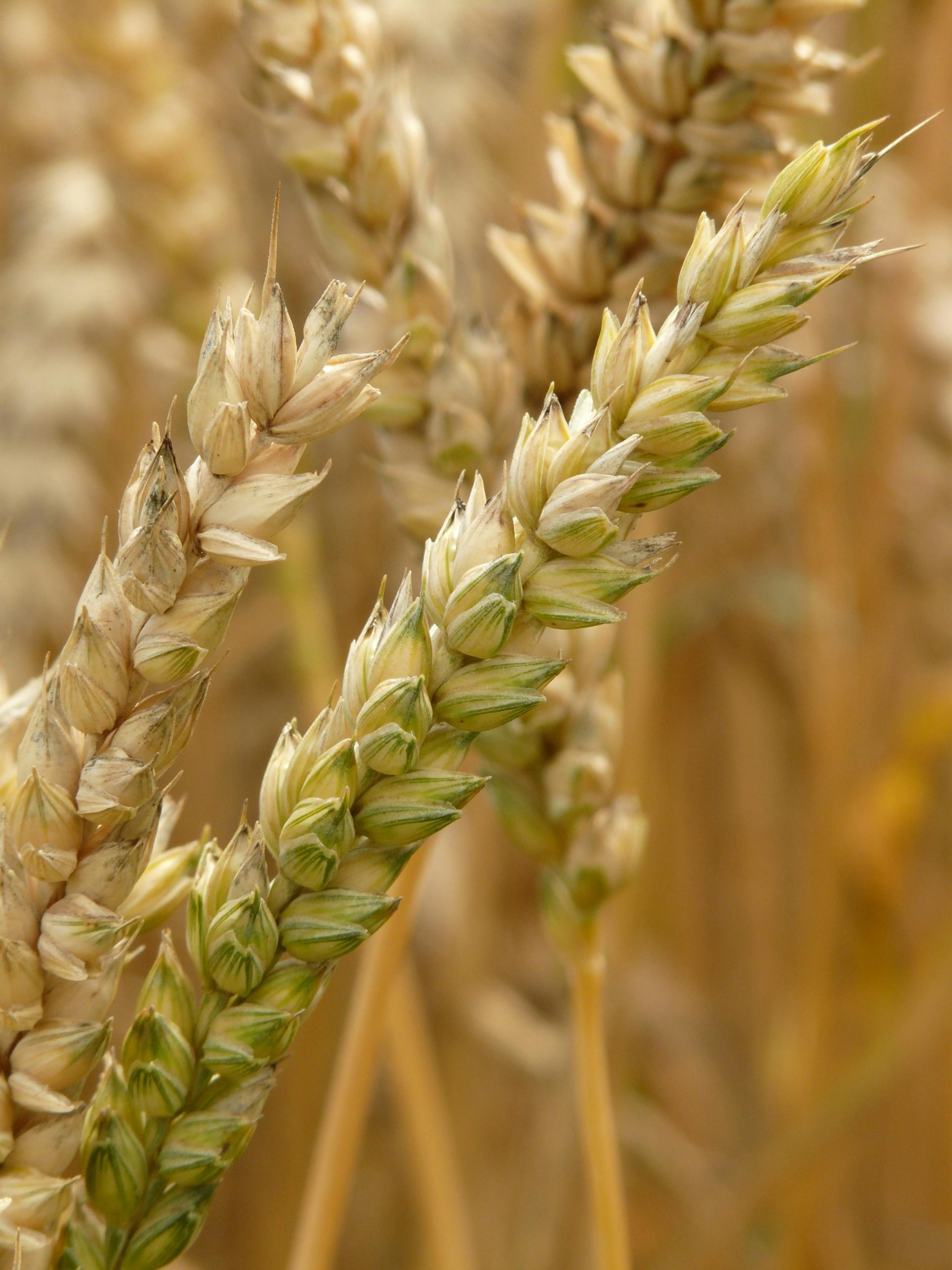
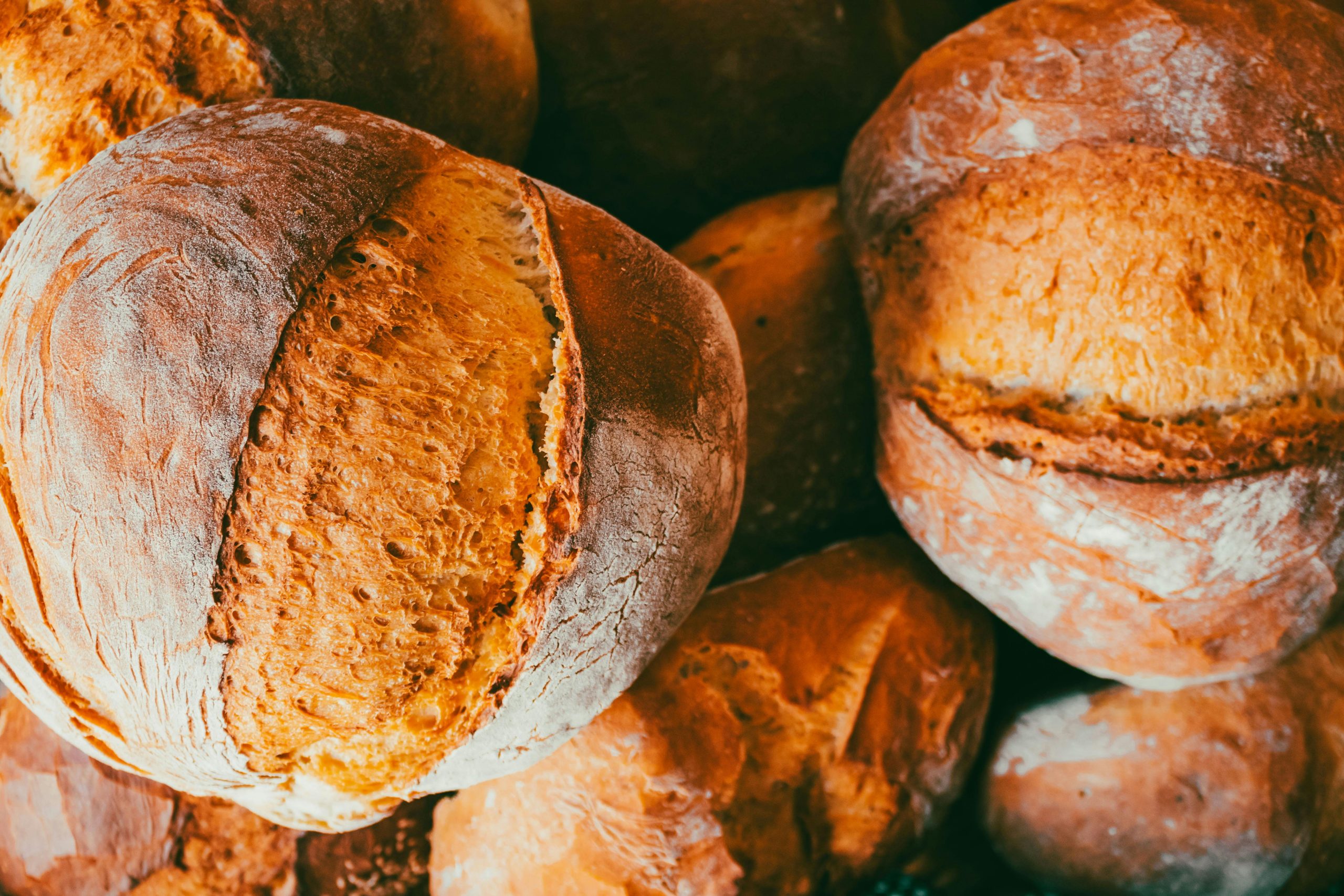
Whole Wheat flour is a staple used for making rotis and chapatis. It is often labeled as “Chakki Atta” to signify traditional stone-grinding that preserves fiber.
Whole Wheat is a nutrient-dense food that provides significant health advantages over refined grains because it retains the entire grain kernel, including the bran, germ, and endosperm.
The key benefits of Whole Wheat Seeds include:
- Enhanced Digestive Health: High in insoluble fiber, whole wheat adds bulk to stools and promotes regular bowel movements, effectively preventing constipation. It also contains prebiotic fibers that feed beneficial gut bacteria,
- Heart Disease & Stroke Prevention: Regular consumption can lower the risk of heart disease by up to 22%. The fiber helps reduce “bad” LDL cholesterol and triglycerides while protecting blood vessels from damage,
- Blood Sugar Management: Unlike refined grains, whole wheat has a lower glycemic index, causing a slower rise in blood sugar. This stability helps reduce the risk of Type 2 diabetes and improves insulin sensitivity,
- Weight Management: The high fiber and protein content increase satiety (the feeling of fullness), which helps prevent overeating and snacking,
- Chronic Inflammation Support: Whole wheat contains bioactive phytochemicals and antioxidants like ferulic acid that help reduce markers of chronic inflammation, a root cause of many diseases.
Whole wheat contains gluten and is not suitable for individuals with celiac disease or gluten sensitivity.
Where is it used?