Dry Raisins
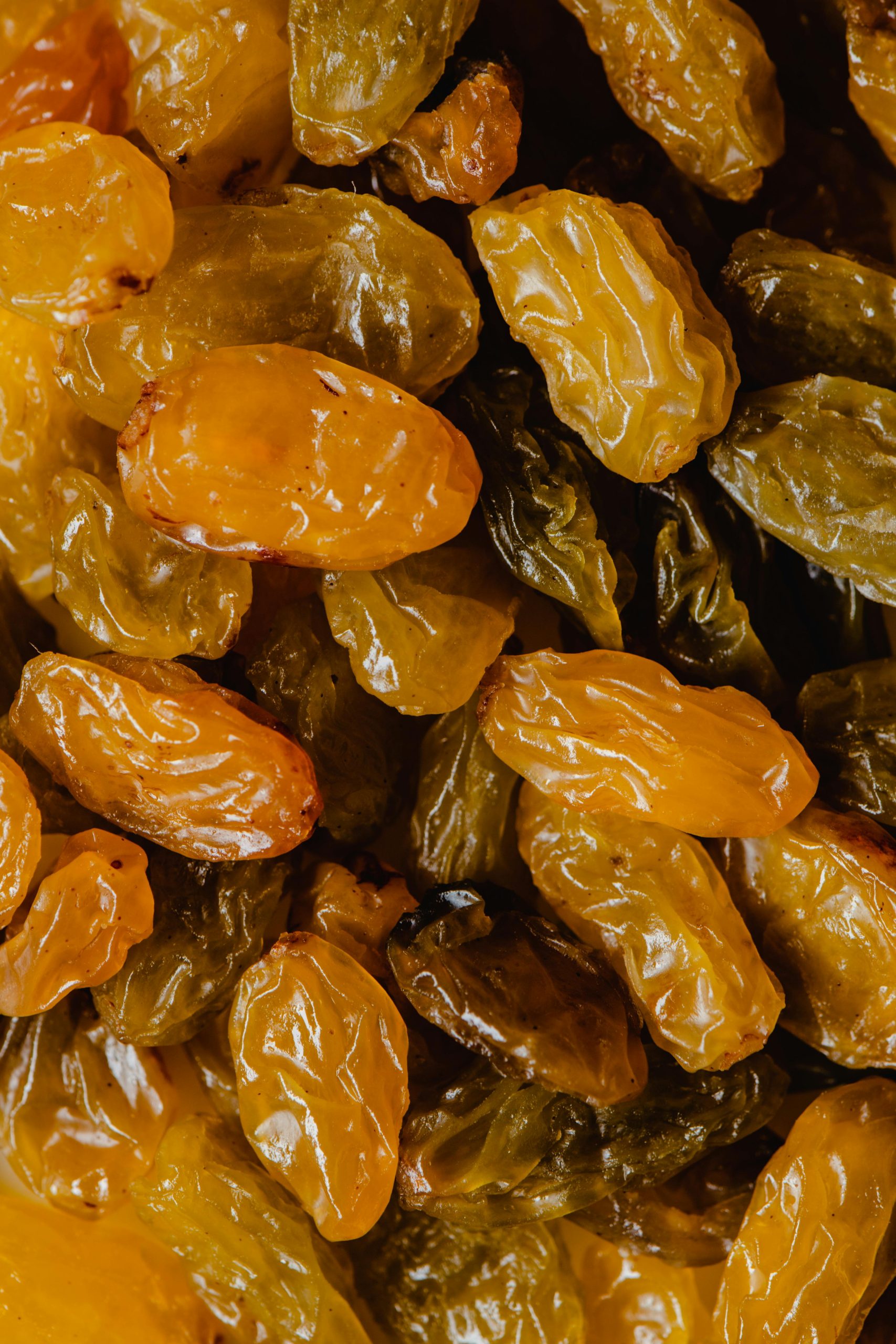
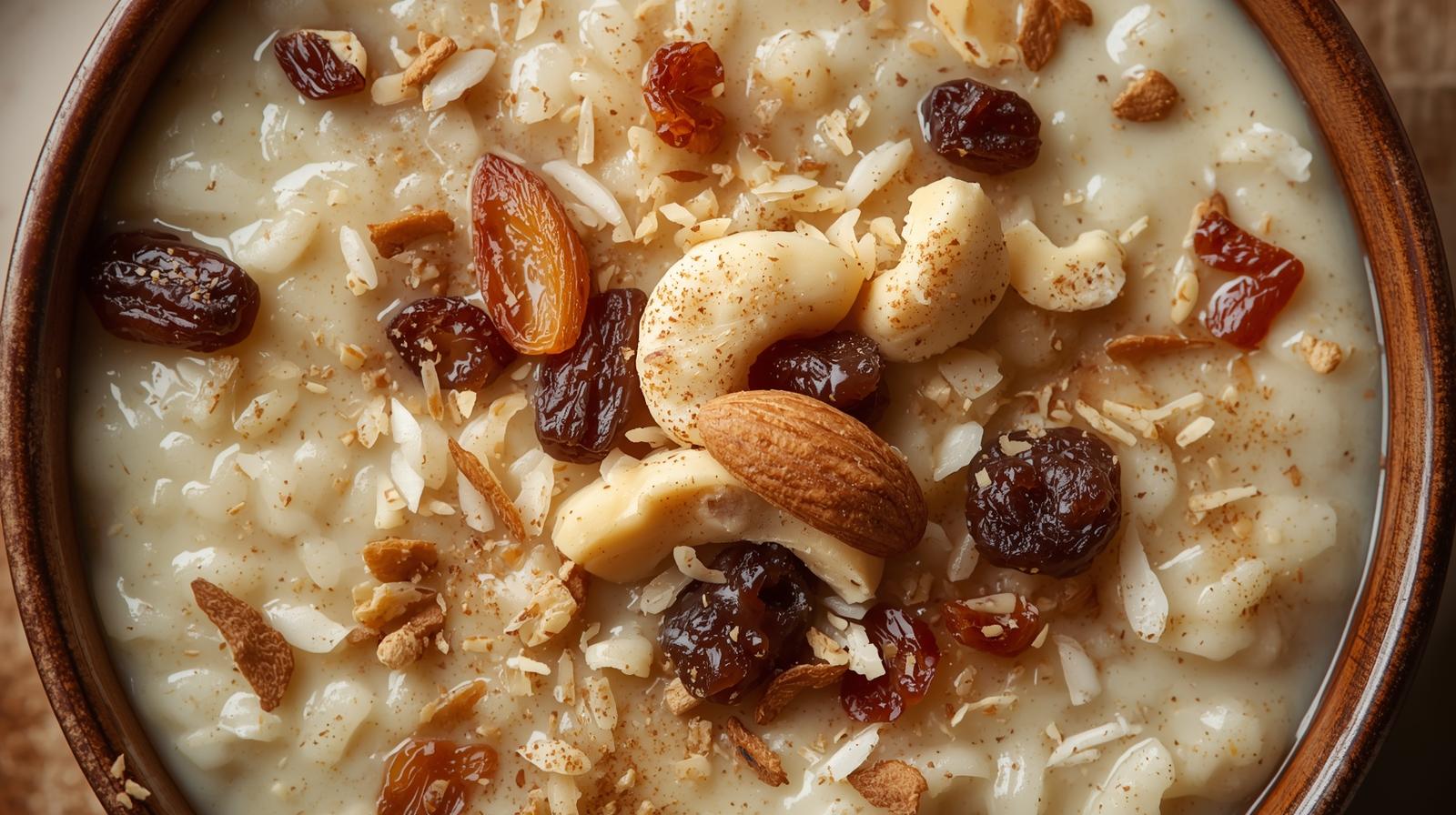
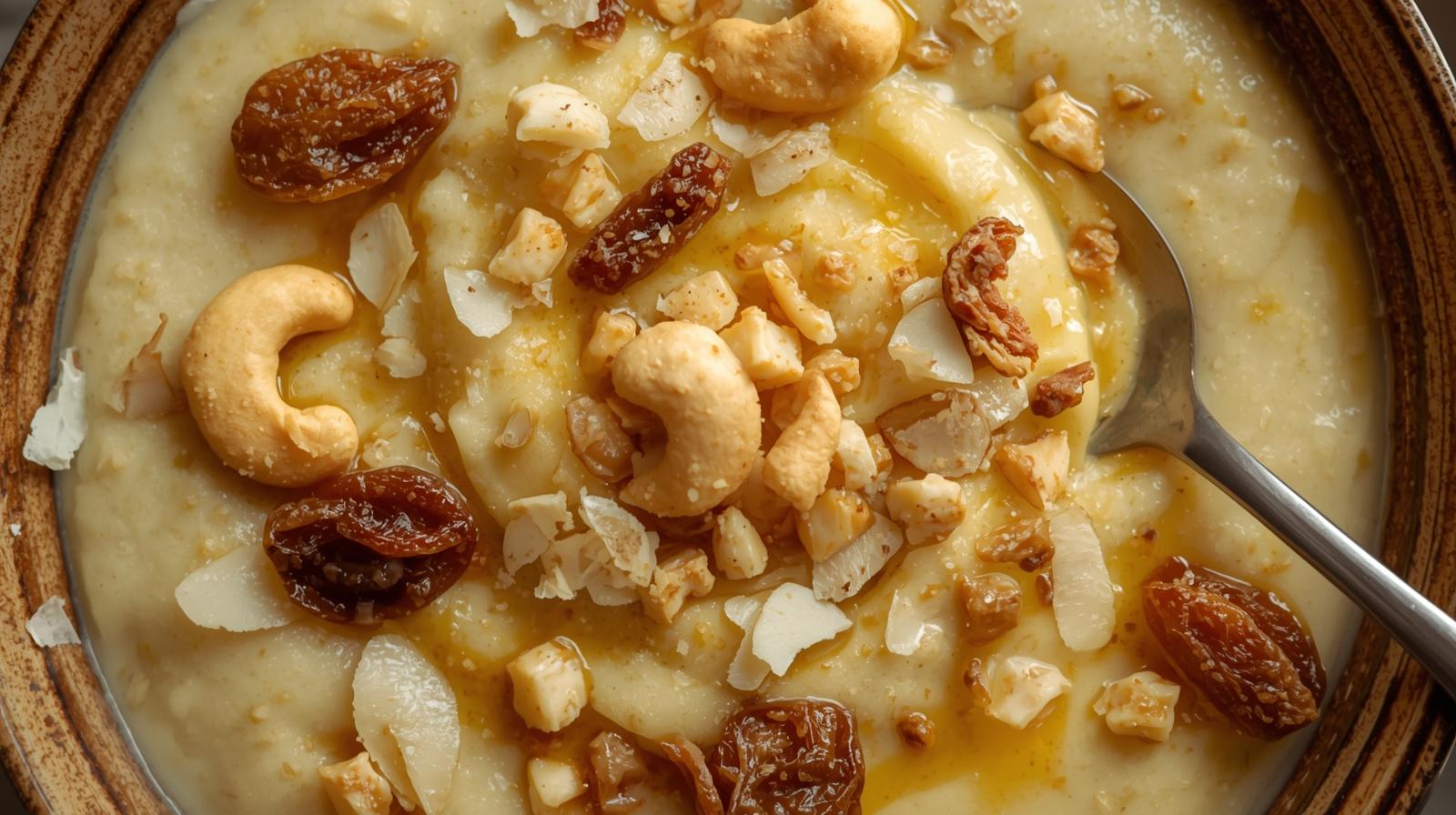
In Nepal, Dry Raisins (locally known as Kismis or Dakh) are widely available in green, black, and yellow varieties
Dry Raisins are nutrient-dense powerhouses that provide concentrated amounts of fiber, vitamins, and minerals compared to fresh grapes. While they are high in natural sugar and calories, their low-to-moderate glycemic index makes them a healthy snack when consumed in moderation.
The key benefits of Dry Raisins include:
- Digestive Support: Raisins are rich in dietary fiber, which adds bulk to stool and helps regulate bowel movements, effectively relieving constipation. They also contain tartaric acid, which may improve intestinal function and balance gut bacteria,
- Heart Health & Blood Pressure: High potassium levels help regulate blood pressure by countering the effects of sodium. Regular consumption is associated with lower “bad” LDL cholesterol and reduced cardiovascular risk,
- Anemia Prevention: They are an excellent plant-based source of iron and B vitamins, which are essential for red blood cell production and preventing iron-deficiency anemia,
- Bone & Dental Strength: Raisins contain calcium and boron, both critical for maintaining bone mineral density and preventing osteoporosis. Despite their sugar content, antimicrobial compounds like oleanolic acid help suppress bacteria that cause cavities,
- Energy & Satiety: Natural sugars (glucose and fructose) provide an instant energy boost, making them ideal for athletes. Their fiber content also promotes satiety, helping to manage appetite and cravings.
Because they lack the water content of fresh grapes, raisins are much easier to overeat, which can lead to unwanted weight gain.
Excessive intake of fiber can cause gas, bloating, and stomach cramps, especially if not accompanied by adequate water.
While generally safe in small portions, the concentrated sugar can cause blood sugar surges in individuals with diabetes if overconsumed.
For the best results, many people prefer soaking raisins overnight in water to improve nutrient absorption and further aid digestion.
Where is it used?