Vegetarian Main Dish

Aloo Paratha
Aloo Paratha is a popular North Indian and Nepal whole wheat flatbread stuffed with a spicy mashed potato filling. It is traditionally served for breakfast but is also enjoyed for lunch or dinner across the Indian subcontinent.

Bamboo Shoot Curry (Tama ko Tarkari)
Bamboo Shoot Curry is a popular, nutritious, and highly seasonal dish, particularly cherished in Asian cuisines, including India, Nepal, Thailand, and Laos. Known for its crunchy texture and slightly sweet, earthy flavor, it is often prepared during the monsoon season.

Beans Sprout Soup (Kwati)
Kwati is a traditional, thick, and highly nutritious Nepali soup made from a mixture of nine different varieties of sprouted beans. The name originates from the Newari language: kwa means “hot” and ti means “soup”.
It is primarily consumed during the festival of Janai Purnima (also known as Gunhu Punhi or Kwati Punhi), which typically falls on the full moon day in August.

Bitter Gourd Masala (Karela Masala)
Bitter Gourd Masala (Karela Masala) is a popular, nutrient-dense South Asian dish that balances the natural bitterness of the vegetable with spicy, tangy, and sometimes sweet flavors. It is often prepared as a dry stir-fry or a semi-gravy curry, usually paired with roti, naan, or rice.
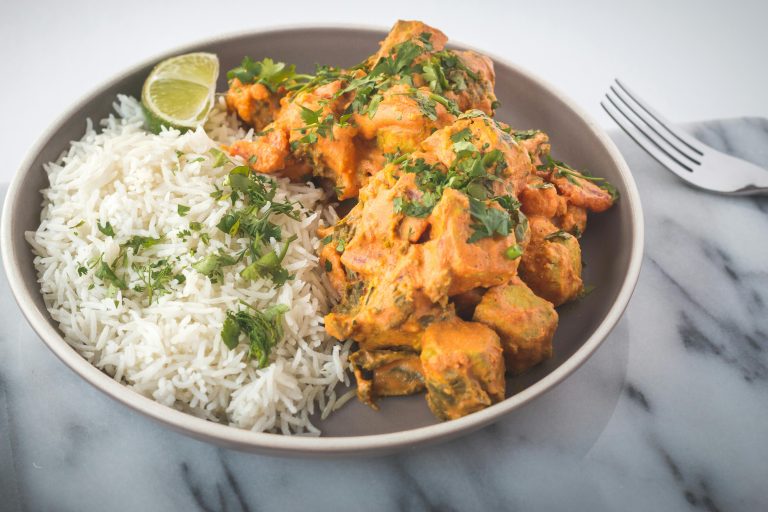
Bottle Gourd Curry (Lauka ko Tarkari)
In Nepal, Lauka ko Tarkari (लौकाको तरकारी) is a simple, healthy, and incredibly comforting everyday Bottle Gourd Curry that is traditionally tempered with fenugreek seeds. It releases its own natural juices while cooking and is a stapled side dish paired with rice and lentils in a standard Nepali Dal Bhat Tarkari meal.
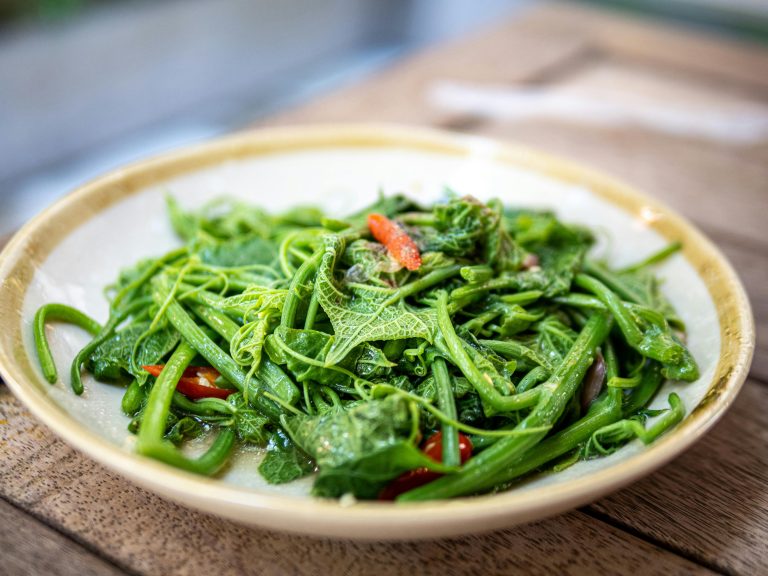
Bottle Gourd Leaves (Louka Ko Saag)
In Nepal, Bottle Gourd Leaves are known as Lauko Ko Saag (लौकाको साग) and are a highly nutritious, cooling, and everyday green vegetable. The tender young shoots and leaves are usually stir-fried in mustard oil with traditional Nepali spices for a simple and healthy side dish.
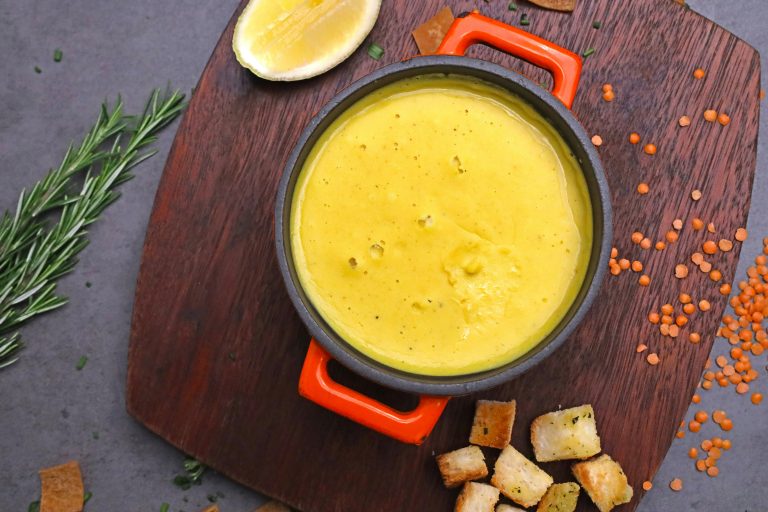
Carom Seeds Soup
A traditional soup for young mothers, as it is said to promote lactation, children, or people suffering from colds and indigestion.

Cauliflower Curry (Misayeko Tarkari)
Cauliflower Curry, also known as Gobi Curry or Aloo Gobi (when combined with potatoes), is a versatile and flavorful staple of Indian and South Asian cuisines. It typically features tender cauliflower florets simmered in a spiced tomato and onion-based sauce.

Cauliflower Pakora (Gobi Pakora)
Cauliflower Pakora (also known as Gobi Pakora) is a popular Indian tea-time snack consisting of crispy, deep-fried cauliflower florets coated in a spiced chickpea flour batter.

Chana
Chana refers to chickpeas, a highly nutritious, protein-rich legume staple. Used either whole or split (chana dal), they are commonly prepared in a spicy, tomato-onion curry known as chana masala or chole.
It an excellent vegetarian, high-fiber food.

Chatamari (Nepali Pizza)
Chatamari is a traditional Newari dish from Nepal, often called the “Nepali pizza” It’s a thin, crispy crepe made primarily from rice flour batter. Cooked on a flat griddle, the base is topped with a variety of savory ingredients such as minced meat, eggs, onions, tomatoes, and spices. The combination of a crunchy rice flour crust with flavorful toppings makes it a popular snack or light meal, especially in the Kathmandu Valley.
It’s eaten during festivals and special occasions, but also beloved as everyday street food.

Chayote Squash Curry (Ishkus)
Chayote Squash Curry is a healthy, mildly sweet, and versatile vegetable dish often served with rice or roti. The squash has a mild, cucumber-like flavor that pairs well with coconut, lentils, and South Indian spices.

Cheese Pakora
Cheese Pakoras are a popular indulgent tea-time snack consisting of cheese, typically processed with cow cheese, cheddar or mozzarella, coated in a spiced gram flour (besan) batter and deep-fried until golden and crispy. They are known for their crispy exterior and gooey, melted cheese interior.
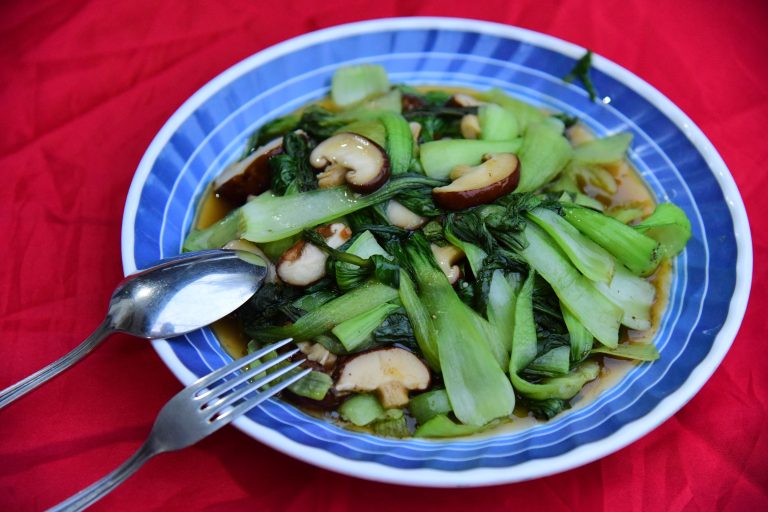
Chinese Cabbage Stir-Fry (Pak Choi)
Stir-Frying Chinese Cabbage (locally known as Banda Gobi or Chinese Cabbage) is a quick, highly nutritious, and budget-friendly meal. By adapting classic Chinese cooking methods using readily available Nepali pantry ingredients, you can make a fresh, aromatic, and savory side dish perfectly paired with Nepali dal bhat or steamed rice.
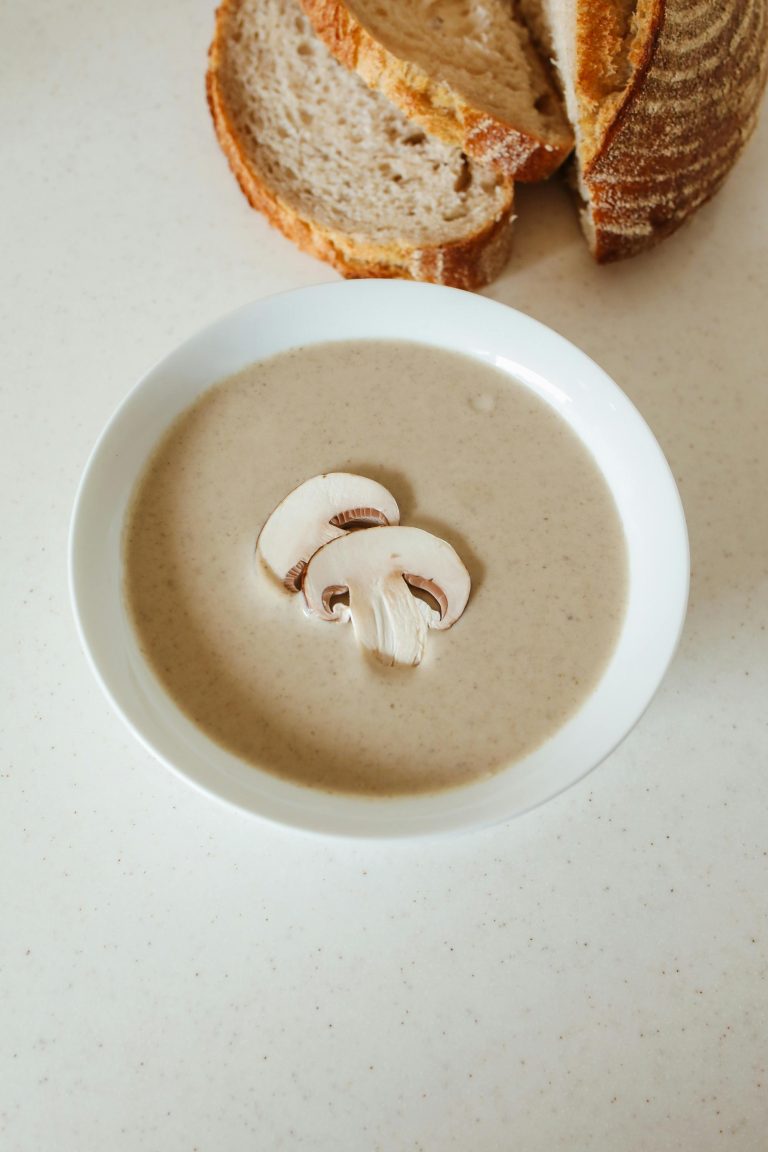
Cream of Fresh Mushroom Soup
Homemade Cream of Fresh Mushroom Soup is a rich, earthy alternative to canned versions, typically made by sautéing a variety of mushrooms with aromatics like onions and garlic, then simmering them in a broth thickened with a roux or cream. Using a mix of mushrooms, such as cremini, button, and shiitake, provides the best depth of flavor.

Cream of Fresh Tomato Soup
Cream of Fresh Tomato Soup is a velvety, comforting dish that highlights the natural sweetness and acidity of ripe garden tomatoes. Unlike canned versions, it often incorporates aromatics like sautéed onions, carrots, and garlic, and is finished with heavy cream or milk for a rich, silky texture.
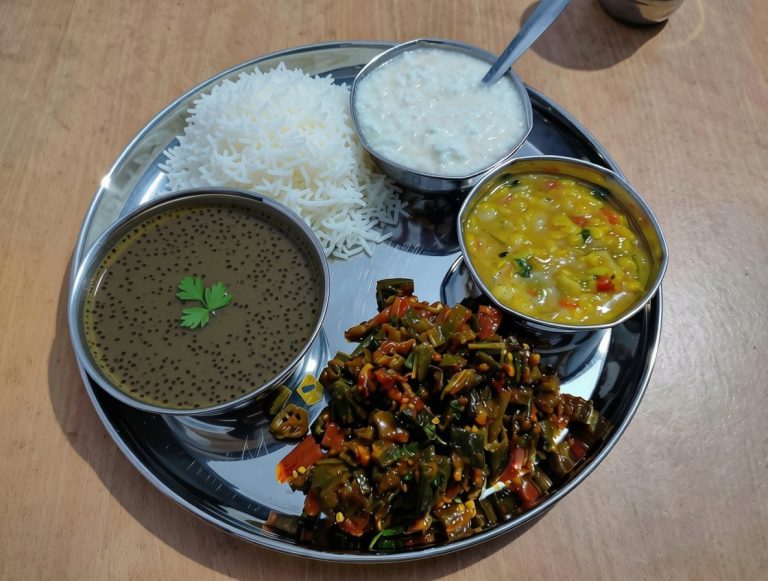
Dal Bhat
Dal Bhat is the traditional and most important meal in Nepal, consisting of steamed rice (bhat) and lentil soup (dal). It is usually served with a variety of side dishes such as vegetable curry (tarkari), greens (saag), and spicy pickles (achar). This wholesome and balanced meal provides essential nutrients and energy, making it a daily staple for people across the country.

Dal Chawal
Dal Chawal is a staple, comforting dish from the Indian subcontinent consisting of steamed rice (“Chawal”) and cooked lentils (“Dal”). Often described as a ultimate comfort food, it is a daily, nutritious, and budget-friendly meal popular across India and Pakistan.
It is commonly served with sides like pickles (achar), papad and salads.

Dhikri
Dhikri is a traditional and healthy steamed rice cake, very popular among the Tharu community of Nepal. It is a staple food at the Maghi festival. It is also served at other festivals such as Dashain and Chhath.
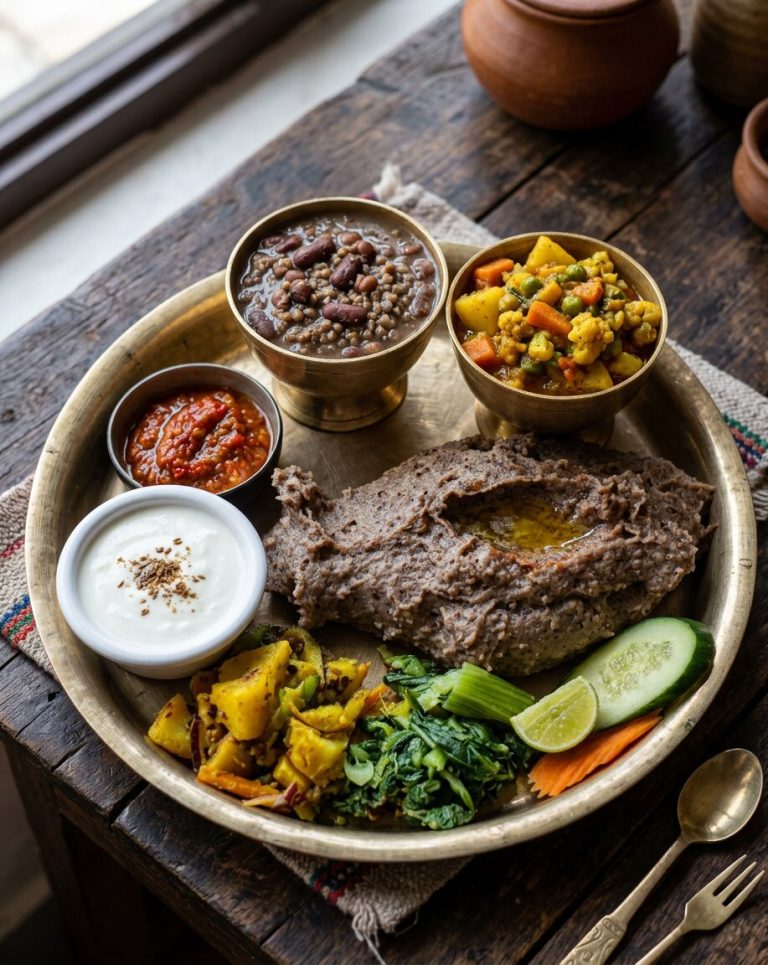
Dhindo
Dhindo (ढिँडो) is a beloved, traditional Nepali staple, essentially a thick, nutritious porridge or dough-like paste made by boiling flour in water.
Long considered the “fuel of the Himalayas” it was traditionally a staple in rural hilly regions where rice was hard to grow.
It is highly nutritious, fiber-rich, and beneficial for diabetic patients as it has a lower glycemic impact than white rice.
