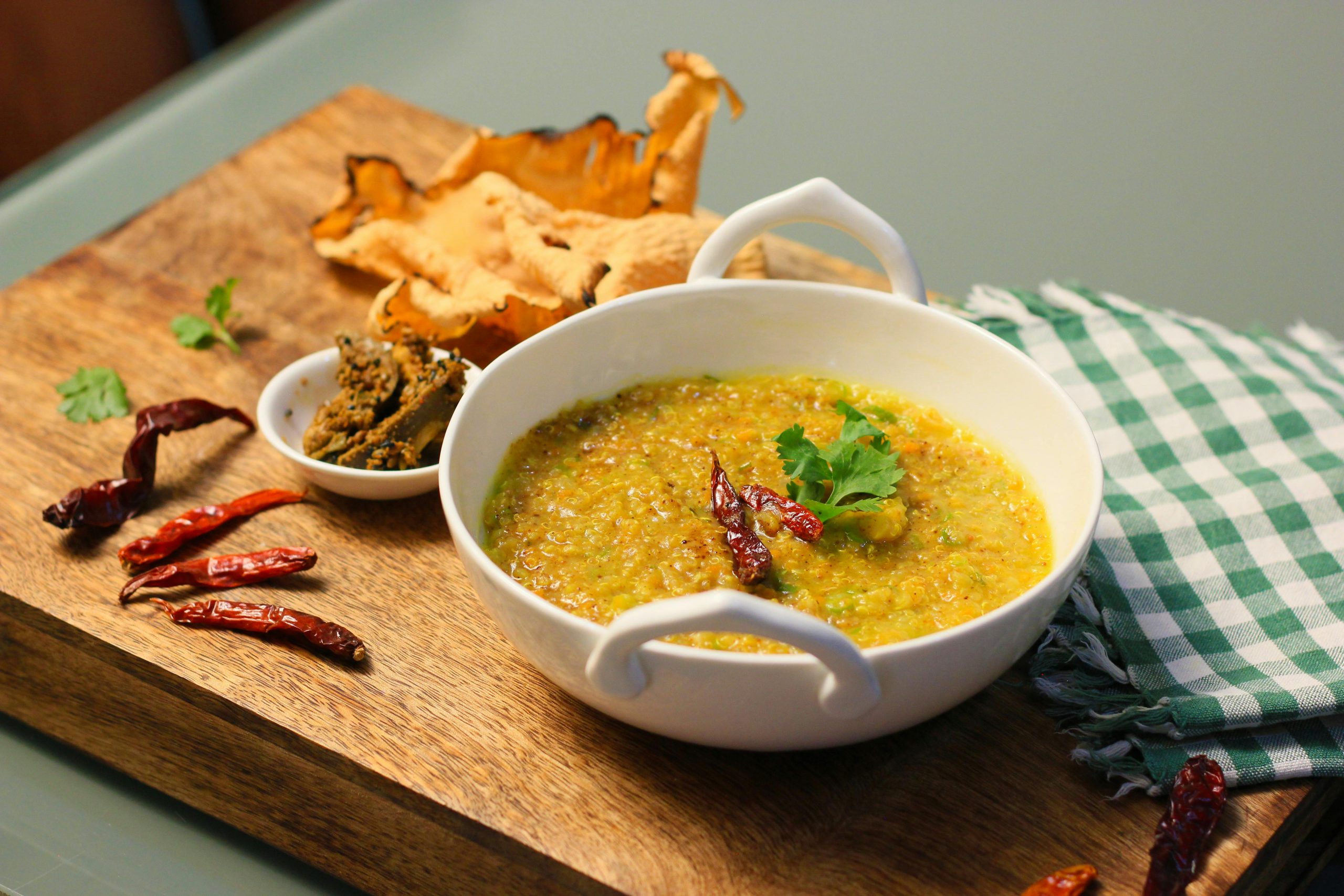
Lentils (Dal)

Lentils, known as Dal in Nepali, are a foundational staple of the national diet and a major agricultural crop in Nepal. They are most famously served as part of Dal Bhat, a meal consisting of lentil soup and steamed rice that is consumed daily across the country. Lentils are the primary protein source in Nepal, particularly for those with limited access to meat.
Nepal is one of the world’s leading producers of lentils, historically ranking among the top five globally.Production is concentrated in the lowland Terai region and some hilly districts like Kailali and Bardiya.
Lentils are highly nutritious, budget-friendly legumes packed with plant-based protein, fiber, iron, and folate, which support heart health, aid digestion, and stabilize blood sugar. They are rich in antioxidants, low in calories, and help manage weight by promoting long-lasting satiety.
You have different types of Lentils in Nepal
- Red Lentils (Musuro Dal): The most common type, valued for its quick cooking time and mild flavor,
- Pigeon Peas (Rahar Dal): Known as yellow lentils with an earthy flavor, popular in traditional households,
- Black Gram/Urad (Kalo Dal): these black lentils have a rich, earthy flavor and creamy texture. They are a signature ingredient in Thakali-style,
- Green/Yellow Gram (Dal Bhat.Moong Dal): Small, yellow, or green lentils that are light and easy to digest. They are often used for children or in lighter recipes,
- Rice Bean (Masyang): Small red/brown lentils cultivated in the hills,
- Horse Gram (Gahat Dal): A small, brownish lentil popular in hilly regions and valued for its medicinal properties and warming effects,
- Split Bengal Gram (Chana Dal): Made from split chickpeas, these have a sweet, nutty flavor and maintain their shape well during cooking.
The key benefits of Lentils include:
- Heart Health: Their high fiber, folate, and potassium content helps lower LDL (“bad”) cholesterol and manage blood pressure. Polyphenols in lentils also provide cardioprotective effects by reducing oxidative stress in blood vessels,
- Digestive & Gut Health: Lentils are rich in prebiotic fiber, which fuels beneficial gut bacteria and promotes regular bowel movements. This healthy microbiome support is linked to improved immunity,
- Protein-Packed: Lentils are a great meat substitute,
- Blood Sugar Control: With a very low glycemic index (GI), lentils cause a slow release of energy, preventing blood sugar spikes and improving insulin sensitivity,
- Energy & Blood Health: As a major plant-based source of iron, lentils help prevent fatigue and iron-deficiency anemia by supporting red blood cell production,
- Nutrient-Dense: They are an excellent source of iron (fighting fatigue), potassium (lowering blood pressure), and folate (essential for cell function),
- Weight Management: The combination of high protein and fiber promotes a feeling of fullness (satiety), which can help reduce overall calorie intake and curb cravings.
To maximize nutrition and reduce gas, it is recommended to soak or sprout lentils before cooking. Pairing them with Vitamin C-rich foods (like tomatoes or lemon juice) significantly improves the absorption of their plant-based iron.
Where is it used?