Mango
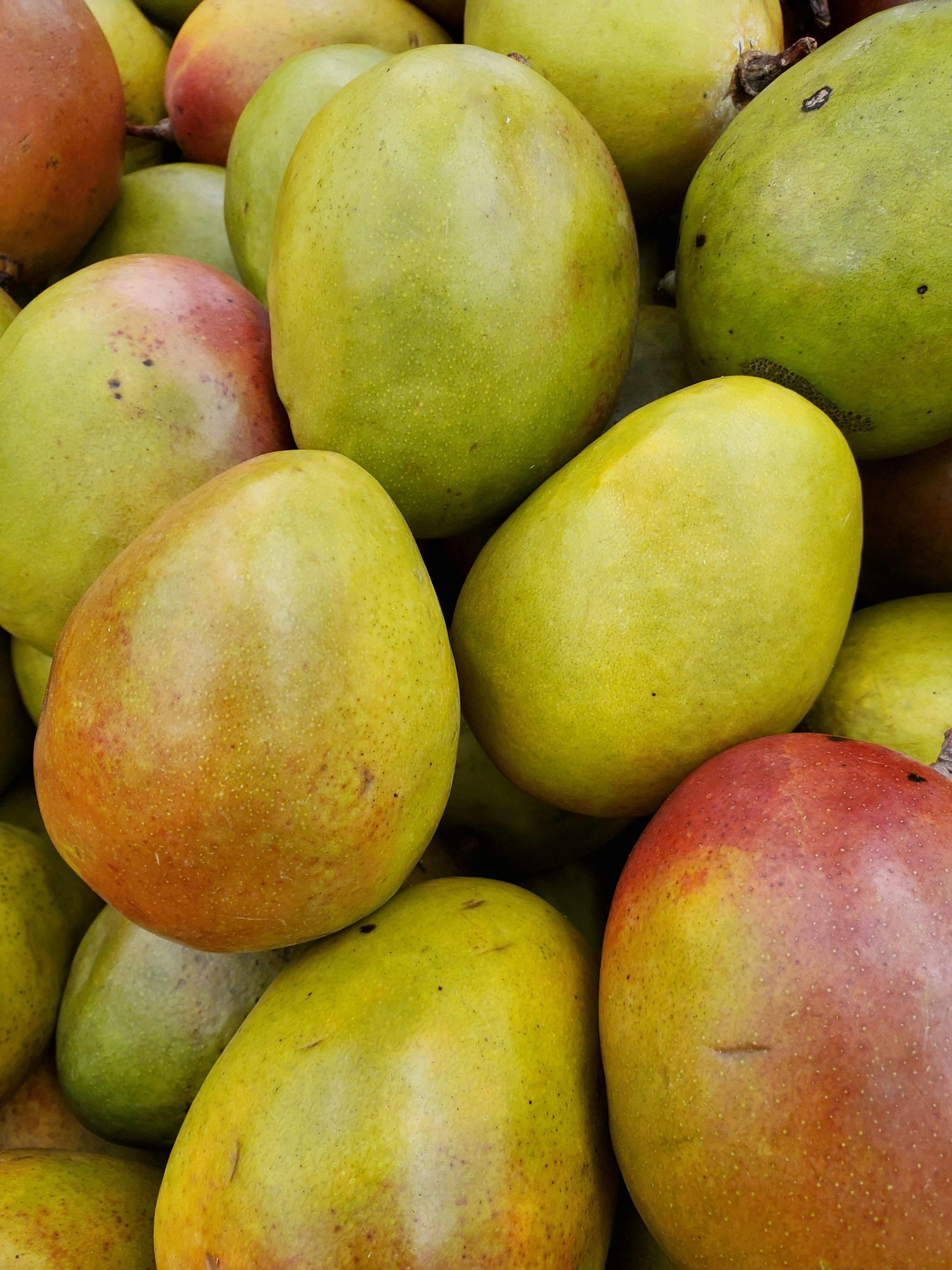
In Nepal, Mangoes are primarily grown in the Terai plains.The peak season for local varieties occurs during the Nepali months of Jestha and Asar (roughly mid-May to mid-July).
Mango is a nutrient-dense “superfruit” that are high in Vitamin A, C, E, fiber, natural enzymes, potassium, magnesium.
The key benefits of Mangoes include:
- Immune System Support: Mangoes are exceptionally high in Vitamin C, providing over 60% of the daily recommended intake per cup. This helps boost white blood cell function and enhances the skin’s barrier against infections,
- Digestive Health: Containing approximately 3 grams of fiber per serving, mangoes aid in regular bowel movements and prevent constipation. They also contain natural enzymes like amylase, which assist in breaking down food for better nutrient absorption,
- Heart Health: The potassium and magnesium in mangoes help regulate blood pressure and support healthy blood flow. Research from 2024 indicates that regular consumption may lower systolic blood pressure and improve lipid profiles,
- Eye & Skin Health: Rich in Vitamin A and antioxidants like lutein and zeaxanthin, mangoes protect the eyes from age-related macular degeneration and UV damage. For the skin, high levels of Vitamin C and E promote collagen production, maintain elasticity, and provide a “natural glow”,
- Powerful Antioxidants: Mangoes contain a unique polyphenol called mangiferin, often referred to as a “super antioxidant”. It helps combat oxidative stress and reduces inflammation, potentially lowering the risk of chronic diseases like diabetes and certain cancers.
Where is it used?