Seeds Ingredient

In Nepal, Barley (known as Jau) is a culturally significant and resilient cereal crop grown from the Terai plains up to 4,000 meters in the high mountains. While it is the fifth most important cereal in terms of area and production, it remains a primary staple food mostly in the western hills and mountain regions.
Barley is deeply integrated into Nepalese life, from religious rituals to daily nutrition.
Rich in fiber, protein, carbohydrates and also a rich source of manganese, selenium, phosphorus, magnesium, and B-vitamins.

In Nepal, Buckwheat, locally known as Phapar, is a vital staple food and the country’s sixth most important cereal crop, especially in remote Himalayan regions. It is highly valued for being naturally gluten-free and adaptable to the harsh, high-altitude climates where other grains often fail.
Buckwheat is deeply integrated into the local diet through several iconic dishes: Phapar ko Dhindo, Phapar ko Roti, Kanchemba, Chhyang (beer) or Raksi (spirit).

Carom Seeds (Ajwain), known as Jwano in Nepal, are aromatic, thyme-like seeds. They are a staple spice used in Nepali cuisine to temper lentils, curries, pickles (achar) and in Jwano ko Jhol (a traditional soup for new mothers, children, or those suffering from colds and indigestion).
Carom seeds are potent, nutrient-rich seeds primarily used to aid digestion, reduce gas, and treat stomach issues due to their active compound, thymol. They also offer anti-inflammatory effects, help alleviate respiratory congestion, assist in weight loss, and possess antibacterial properties. Also used to treat digestive issues, bloating, and as a home remedy for cold, cough, and sore throat.

In Nepal, Chia Seeds are widely available as a popular superfood used for weight loss, energy, digestion and heart health.
Chia seeds are highly nutrient-dense and offer a wide range of health benefits, particularly for heart health, digestion, and weight management.
In Nepal, they are frequently mixed into smoothies, yogurt, or oatmeal. They are also soaked overnight in water or milk to create chia pudding.

Lentils, known as Dal in Nepali, are a foundational staple of the national diet and a major agricultural crop in Nepal. They are most famously served as part of Dal Bhat, a meal consisting of lentil soup and steamed rice that is consumed daily across the country. Lentils are the primary protein source in Nepal, particularly for those with limited access to meat.
Lentils are highly nutritious, budget-friendly legumes packed with plant-based protein, fiber, iron, and folate, which support heart health, aid digestion, and stabilize blood sugar. They are rich in antioxidants, low in calories, and help manage weight by promoting long-lasting satiety.

Coriander seeds, locally known as Dhaniya ko Geda, are a fundamental spice in Nepali cuisine and are widely available across the country for both culinary and agricultural purposes. They are valued for their warm, citrusy aroma and are often used alongside cumin as a primary seasoning.
Often roasted and ground for curries, soups, and spice blends to enhance flavor and aid digestion.
Coriander seeds are highly nutritious, providing antioxidants (Vitamin C), vitamins A/K, folate, and essential oils like linalool that support heart, gut, and immune health. They help lower LDL (bad) cholesterol, reduce blood pressure, regulate blood sugar, and aid digestion. These seeds also offer anti-inflammatory and antibacterial properties, aiding in detoxification, skin health, and relieving menstrual discomfort.

Cumin seeds (Jeera) are a staple spice in Nepal, widely used in daily cooking. They are used in curries, soups, and roasted to enhance flavor in various dishes.
Cumin seeds are a nutrient-dense, antioxidant-rich spice that significantly aid digestion, promote weight loss, improve blood cholesterol, and help manage blood sugar levels. Packed with iron, they boost immunity and provide anti-inflammatory benefits that may aid in managing diabetes and reducing food-borne illness risk.

In Nepal, Fennel Seeds are commonly known as Saunf or Sup. Added whole, roasted, or ground to curries, teas, pickles, and baked goods.
It’s a nutrient-dense spice widely used to improve digestion, freshen breath, and provide antioxidant support. Rich in antioxidants, fiber, and essential minerals like manganese, potassium, and calcium. They contain essential oils and minerals that help manage various health conditions, from respiratory issues to hormonal imbalances.
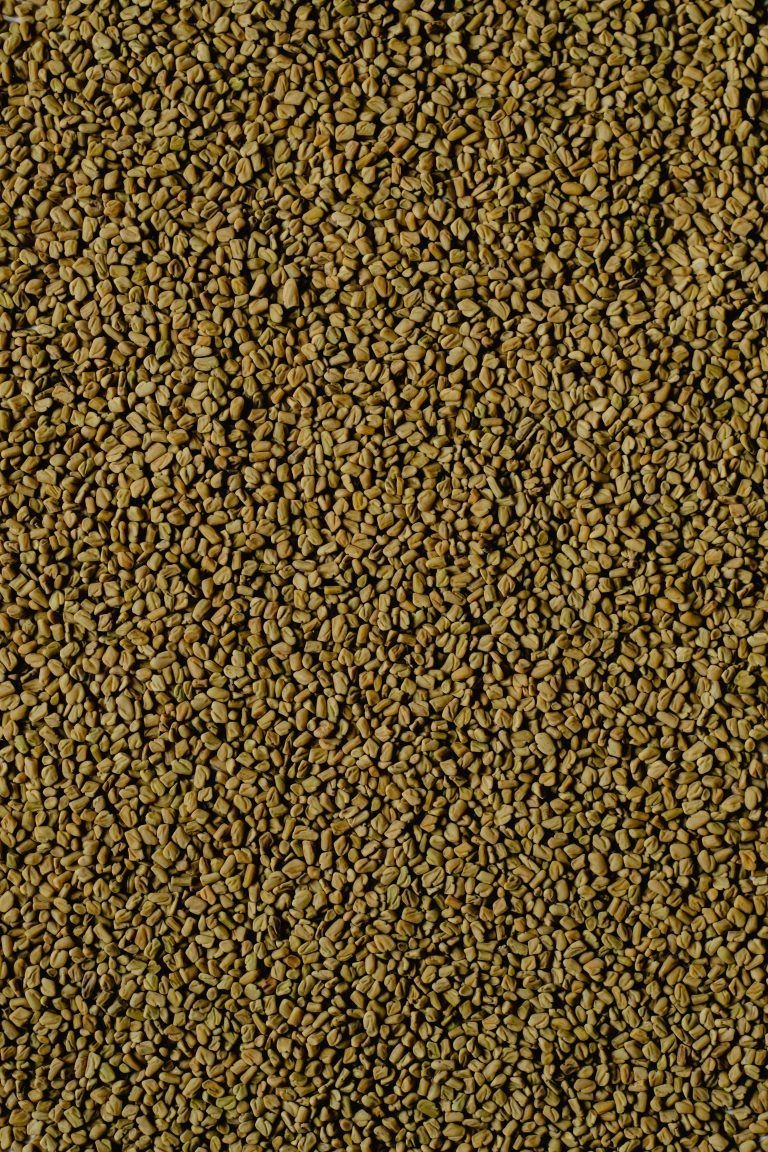
Fenugreek Seeds, known locally as Methi, are a staple spice in Nepali cuisine. Whole seeds are often fried in mustard oil to temper dishes like Alu Sadheko (spicy potato salad) and Bhatmas Sadheko (soybean salad) to release their nutty aroma.
Fenugreek Seeds are widely recognized for their potential to regulate blood sugar, improve digestion, and boost breast milk production in lactating women. Ayurveda practitioners use these bitter seeds to purify blood and reduce inflammation. They are rich in soluble fiber, antioxidants, and bioactive compounds like saponins that support metabolic and heart health.

In Nepal, Hemp Seeds (commonly known as Bhango) are widely used for culinary purposes, particularly in traditional chutneys and as a nutrient-dense superfood.
They are legally available across the country and are prized for being a complete plant-based protein source containing all nine essential amino acids, heart-healthy essential fatty acids, and key minerals like magnesium and iron. They are valued for their ability to reduce inflammation, support digestive health, and potentially lower the risk of heart disease.

Lentils, known as Dal in Nepali, are a foundational staple of the national diet and a major agricultural crop in Nepal. They are most famously served as part of Dal Bhat, a meal consisting of lentil soup and steamed rice that is consumed daily across the country. Lentils are the primary protein source in Nepal, particularly for those with limited access to meat.
Lentils are highly nutritious, budget-friendly legumes packed with plant-based protein, fiber, iron, and folate, which support heart health, aid digestion, and stabilize blood sugar. They are rich in antioxidants, low in calories, and help manage weight by promoting long-lasting satiety.

Millet is a vital, climate-resilient crop in Nepal, with Finger Millet (Kodo) being the fourth most important cereal after rice, maize, and wheat. Traditionally a staple in hilly regions, it is gaining national popularity as a “superfood” due to its high nutritional value and gluten-free properties.
Millets are considered “nutri-cereals” because they are richer in micronutrients than major staples like rice and are high in dietary fiber, minerals (iron, phosphorus), and vitamins. Naturally gluten-free, it serves as a powerful alternative for those with celiac disease or gluten sensitivities while offering significant advantages for metabolic and cardiovascular health.

In Nepal, mustard seeds (known as Tori, Sarsyu, or Rayo) are staple ingredients used for oil production, spice seasoning, and pickling. The seeds range in color from yellow to dark reddish-brown and are primarily cultivated in fertile districts like Chitwan.
Mustard seeds are nutrient-dense, providing selenium, magnesium, and omega-3 fatty acids that promote cardiovascular health, reduce inflammation, and aid in digestion. Rich in antioxidants and glucosinolates, they boost immunity. These seeds also help relieve respiratory issues and manage blood sugar.

In Nepal, Nigella Seeds are most commonly known as Mungrelo. They are also frequently referred to as Kalonji (a name used across South Asia) or Kalo Jeera (meaning “black cumin”). These small, triangular black seeds are a staple spice in Nepali kitchens (Pickles (Achar), Nimki, Vegetable curries (especially pumpkin), and Meat dishes).
Nigella seeds are highly valued in traditional and modern medicine for their rich profile of antioxidants, particularly thymoquinone. These seeds are traditionally used to address a wide range of conditions, from respiratory issues like asthma to metabolic disorders such as diabetes.
Poppy seeds in Nepal, known locally as Khas Khas, Posta Dana, or Aphim, are small, nutrient-dense, oil-rich seeds used in curries, sweets (like kheer and halwa) and as a popular topping for breads
Traditionally used in Ayurveda to promote relaxation, improve digestion due to high fiber content, and support bone health with calcium, iron and magnesium despite strict regulations on the cultivation of the opium poppy plant itself.

Lentils, known as Dal in Nepali, are a foundational staple of the national diet and a major agricultural crop in Nepal. They are most famously served as part of Dal Bhat, a meal consisting of lentil soup and steamed rice that is consumed daily across the country. Lentils are the primary protein source in Nepal, particularly for those with limited access to meat.
Lentils are highly nutritious, budget-friendly legumes packed with plant-based protein, fiber, iron, and folate, which support heart health, aid digestion, and stabilize blood sugar. They are rich in antioxidants, low in calories, and help manage weight by promoting long-lasting satiety.
Semolina, locally known as Suji or Sooji in Nepal, is a coarse flour made from durum wheat, commonly used to make staple Nepali sweet dishes like Suji ko Halwa (a a popular Nepali sweet pudding) or Gundpak. It is used to make savory items like Upma (savory porridge), Idli, or fried items like Puwa in the Terai region. And also high-protein durum wheat semolina is the primary base for local pasta production
Semolina is a nutrient-dense, coarsely ground durum wheat packed with protein, fiber, and iron, which supports sustained energy, heart health, and digestion. It is high in B vitamins and low on the glycemic index, helping regulate blood sugar and provide satiety for weight management.

Sesame seeds, known locally as Til, are an essential agricultural commodity and cultural staple in Nepal. They are primarily grown in the Terai and mid-hill districts, often in marginal lands with limited inputs.
Sesame seeds are nutrient-dense powerhouses, rich in healthy fats, protein, and minerals like calcium, magnesium, and iron. They support heart health by lowering LDL cholesterol and blood pressure, boost bone strength, aid digestion with high fiber, and offer anti-inflammatory and antioxidant benefits, particularly via sesamin and sesamolin.

Whole Wheat flour is a staple used for making rotis and chapatis. It is often labeled as “Chakki Atta” to signify traditional stone-grinding that preserves fiber.
Whole Wheat is a nutrient-dense food that provides significant health advantages over refined grains because it retains the entire grain kernel, including the bran, germ, and endosperm.