Sesame Seeds
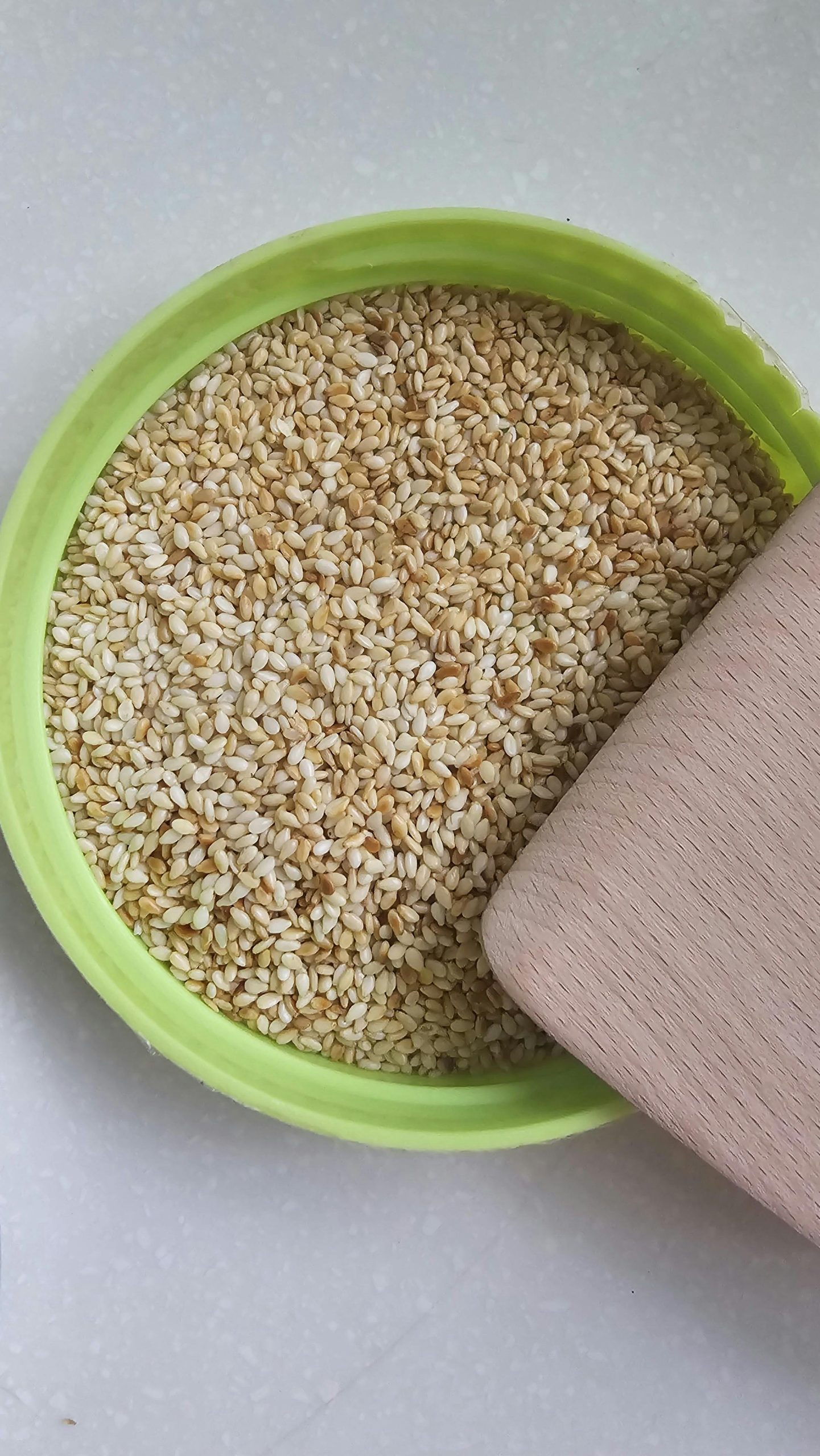
Sesame Seeds, known locally as Til, are an essential agricultural commodity and cultural staple in Nepal. They are primarily grown in the Terai and mid-hill districts, often in marginal lands with limited inputs.
Sesame Seeds are nutrient-dense powerhouses, rich in healthy fats, protein, and minerals like calcium, magnesium, and iron. They support heart health by lowering LDL cholesterol and blood pressure, boost bone strength, aid digestion with high fiber, and offer anti-inflammatory and antioxidant benefits, particularly via sesamin and sesamolin.
Sesame Seeds plays a central role during Makar Sankranti, a major festival also known as Til Sankranti, where. it is traditionally consumed with jaggery in the form of Til Ladoo to provide warmth during winter.
Sesame Seeds is also a key ingredient in the dipping sauces served with Nepalese dumplings (momos), often blended with tomatoes and spices.
Nepal produces three main types of sesame seeds, each with distinct culinary and ritual uses:
- White Sesame (Seto Til): The most common variety used for desserts, breads, and as a garnish,
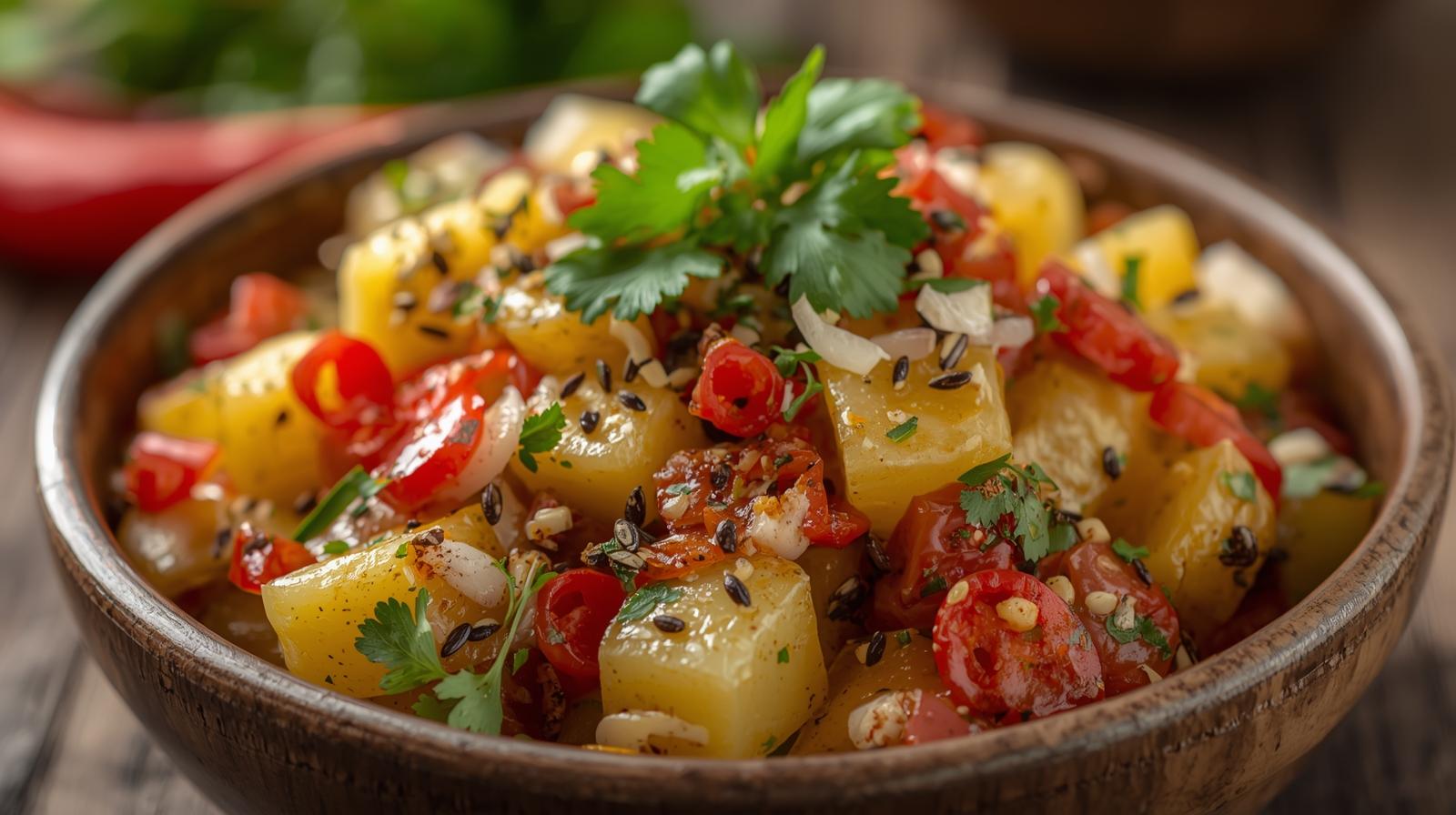
- Brown Sesame (Khairo Til): Highly preferred for its nutty flavor when toasted. Frequently used to make Alu & Til ko achaar (potato and sesame pickle),
- Black Sesame (Kalo Til): Has a stronger, slightly bitter taste. While used in some traditional cooking and Ayurveda, it is considered sacred and is primarily used in religious ceremonies and rituals.
The key benefits of Sesame Seeds include:
- Heart Health: High in lignans and unsaturated fats, they help reduce cholesterol and regulate blood pressure,
- Bone Health: Unhulled seeds are an excellent source of calcium, magnesium, and phosphorus, essential for maintaining strong bones,
- Nutrient Density: They provide iron, copper, and Vitamin B6, which are critical for hemoglobin production and reducing anemia,
- Reduced Inflammation: Compounds like sesamin act as antioxidants, helping to combat oxidative stress and manage chronic inflammation,
- Digestive Health: High in fiber, they aid in digestive health and help prevent constipation,
- Hormonal Balance: They contain phytoestrogens, which may help women manage declining estrogen levels during menopause,
- Immune Support: Rich in zinc, iron, and selenium, which are essential for immune function,
- Skin & Hair Health: The vitamin E, zinc, and healthy fats contribute to skin health and may support hair health.
Where is it used?