Fenugreek Seeds
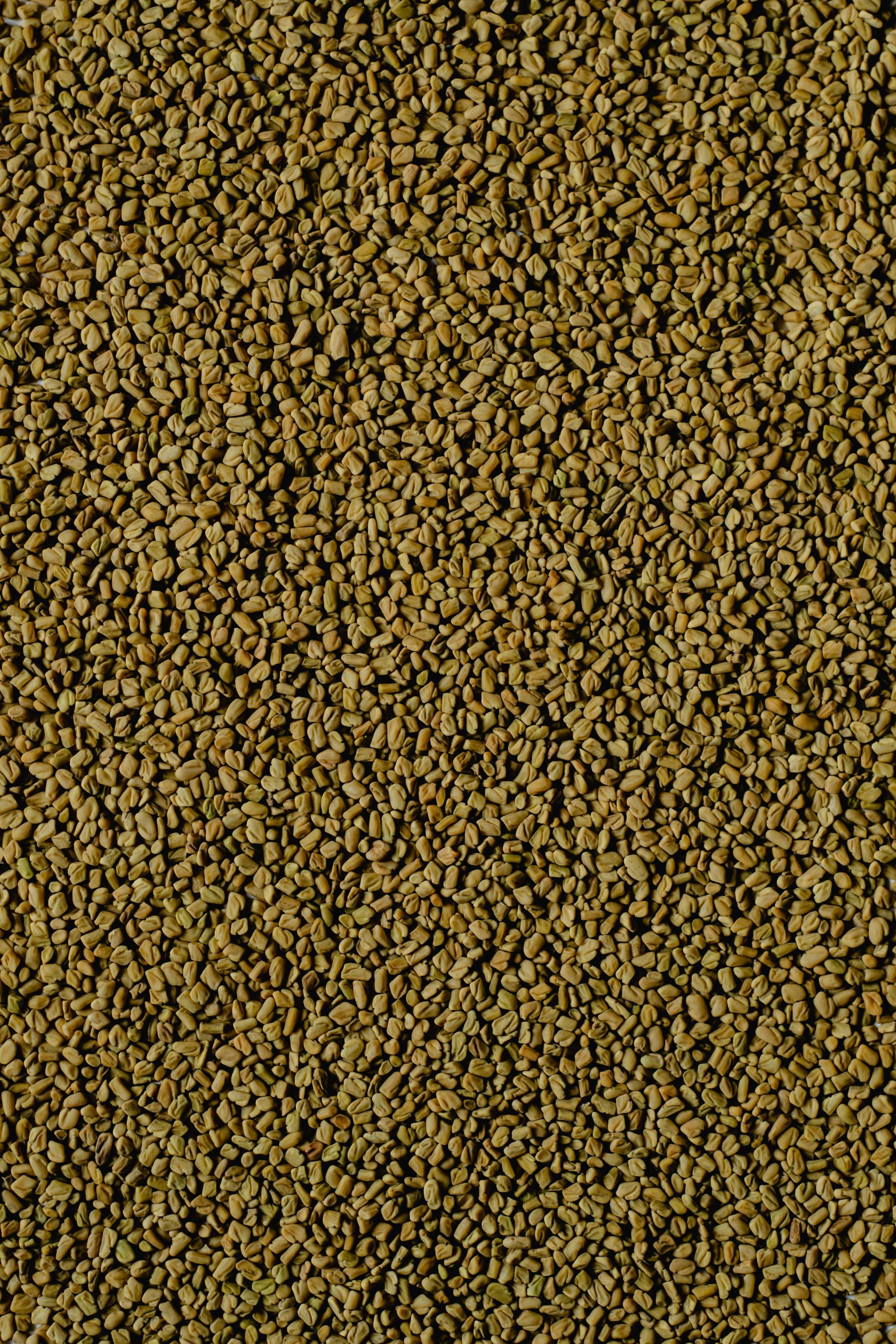
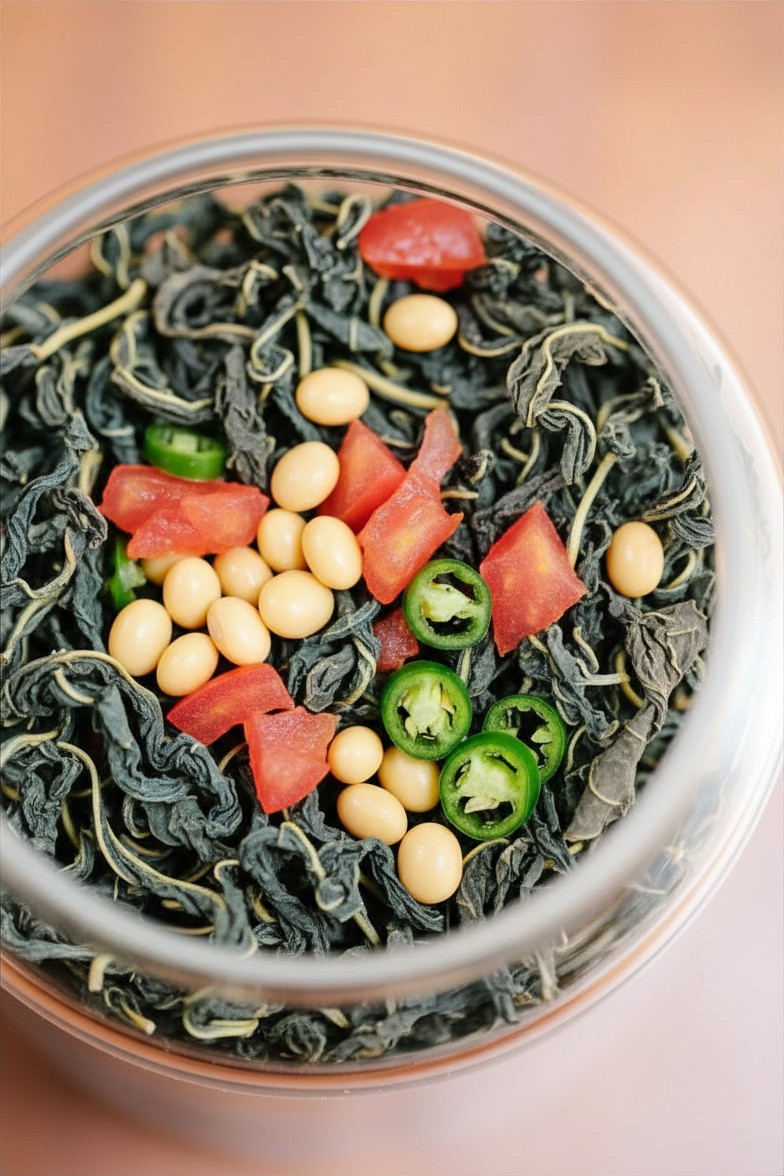
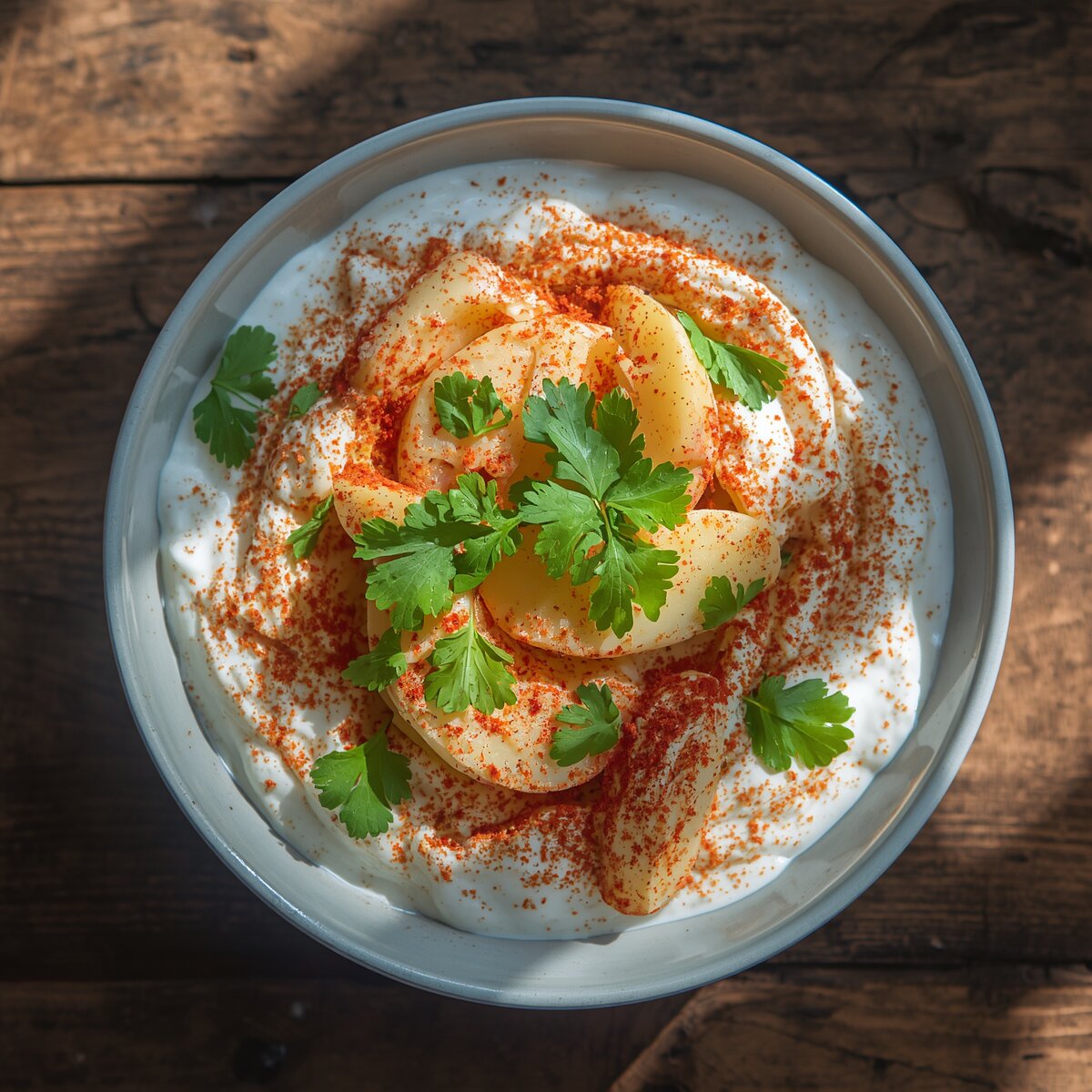
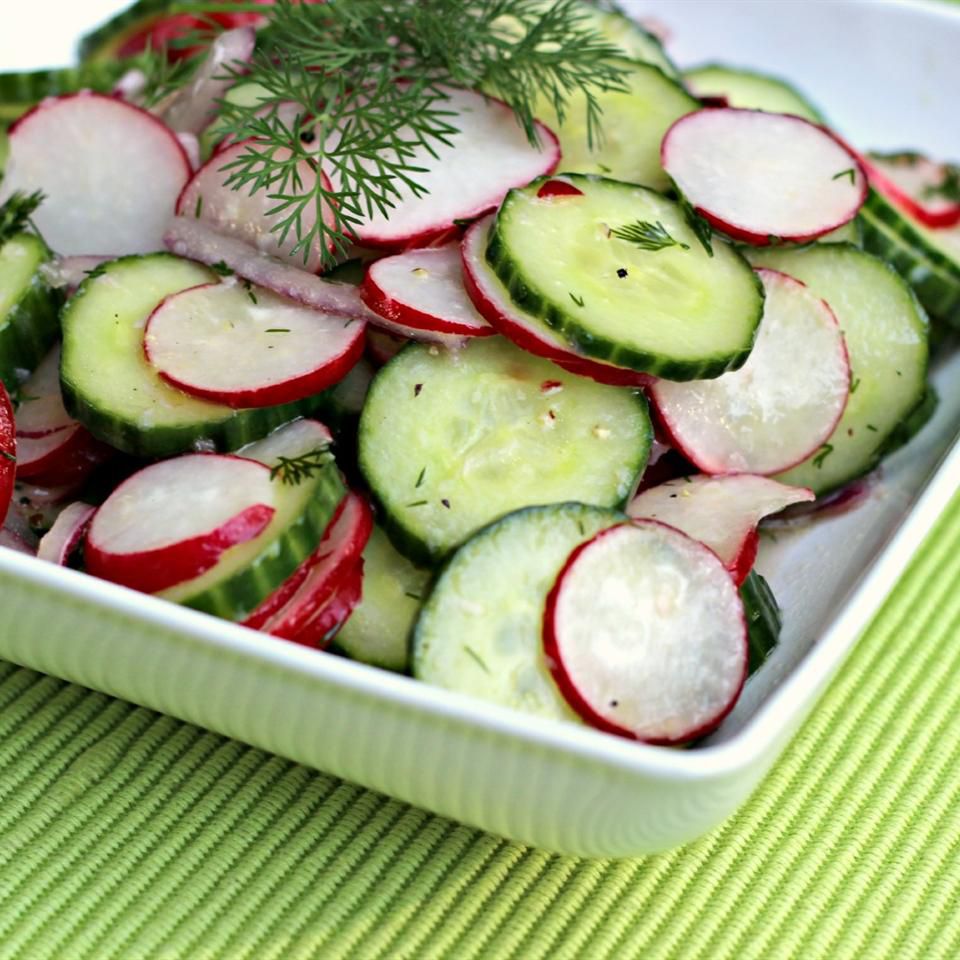
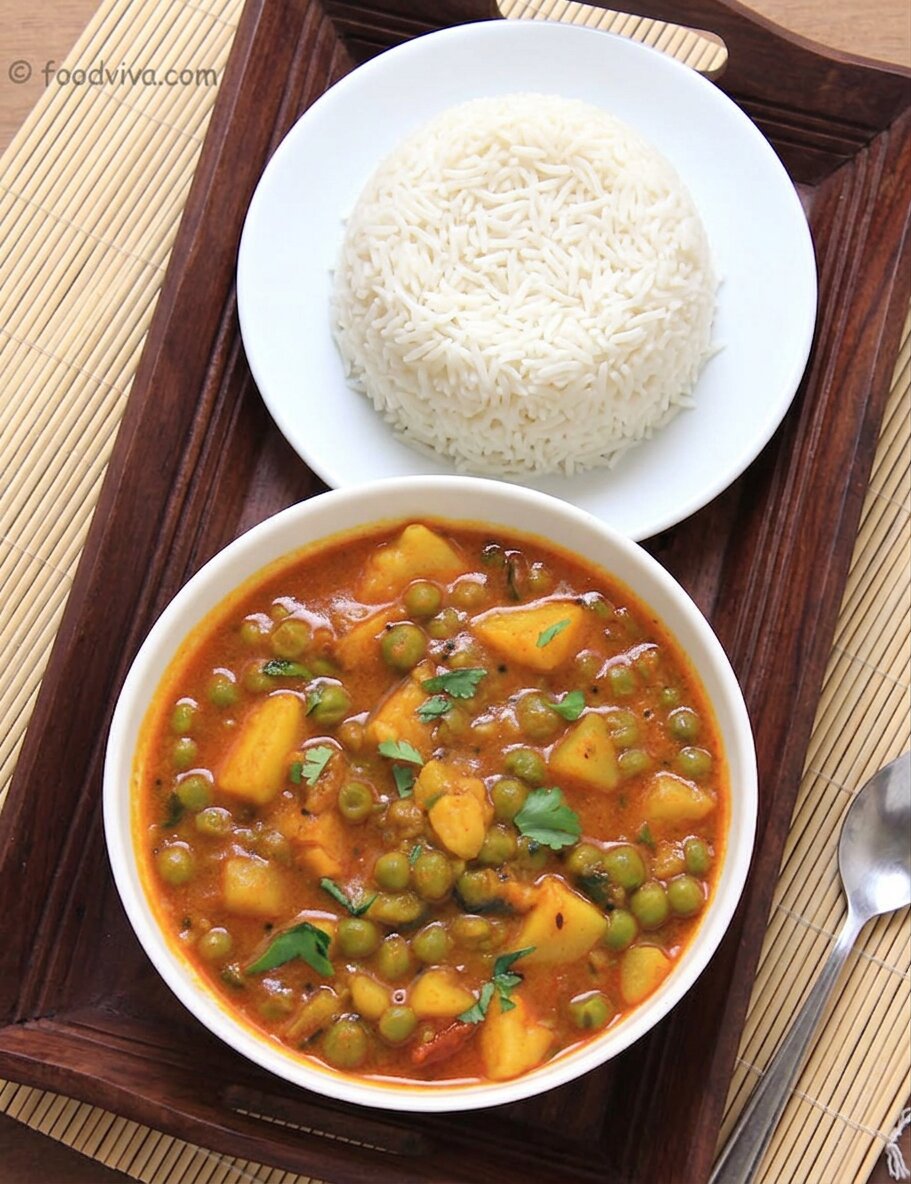
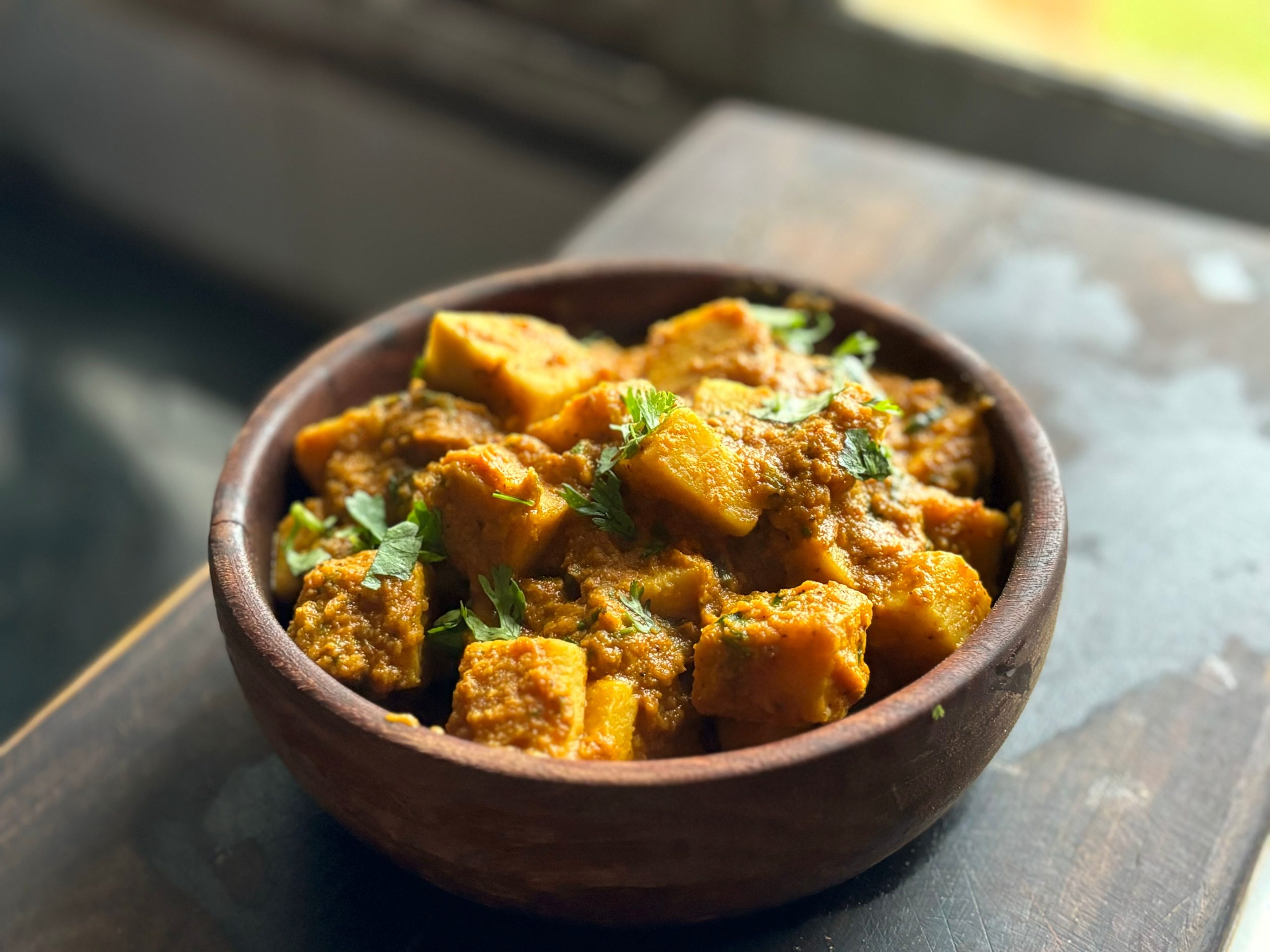
Fenugreek Seeds, known locally as Methi, are a staple spice in Nepali cuisine. Whole seeds are often fried in mustard oil to temper dishes like Alu Sadheko (spicy potato salad) and Bhatmas Sadheko (soybean salad) to release their nutty aroma.
Fenugreek Seeds are widely recognized for their potential to regulate blood sugar, improve digestion, and boost breast milk production in lactating women. Ayurveda practitioners use these bitter seeds to purify blood and reduce inflammation. They are rich in soluble fiber, antioxidants, and bioactive compounds like saponins that support metabolic and heart health.
The key benefits of Fenugreek Seeds include:
- Blood Sugar Regulation: The soluble fiber in fenugreek slows carbohydrate absorption and improves insulin sensitivity, making it a popular supportive remedy for managing Type 2 diabetes and prediabetes,
- Cholesterol Management: Studies indicate that fenugreek can significantly lower “bad” LDL cholesterol and triglycerides while potentially raising “good” HDL cholesterol,
- Weight Management: Its high fiber content promotes a feeling of fullness (satiety), which can help reduce appetite and support weight loss efforts,
- Lactation Support: Often used as a natural galactagogue, fenugreek can stimulate milk glands to increase supply in breastfeeding mothers, with some seeing results in just a few days,
- Women’s Wellness: Fenugreek may alleviate painful menstrual cramps (dysmenorrhea) and reduce symptoms of menopause, such as hot flashes and night sweats.
Common issues include gas, bloating, diarrhea, and a distinctive “maple syrup” odor in sweat or urine.
Fenugreek may interact with blood thinners (increasing bleeding risk) and diabetes medications (causing dangerously low blood sugar).
It is generally not recommended during pregnancy as it may stimulate uterine contractions.
Where is it used?