Beans

Beans Sprout Soup (Kwati)
Kwati is a traditional, thick, and highly nutritious Nepali soup made from a mixture of nine different varieties of sprouted beans. The name originates from the Newari language: kwa means “hot” and ti means “soup”.
It is primarily consumed during the festival of Janai Purnima (also known as Gunhu Punhi or Kwati Punhi), which typically falls on the full moon day in August.
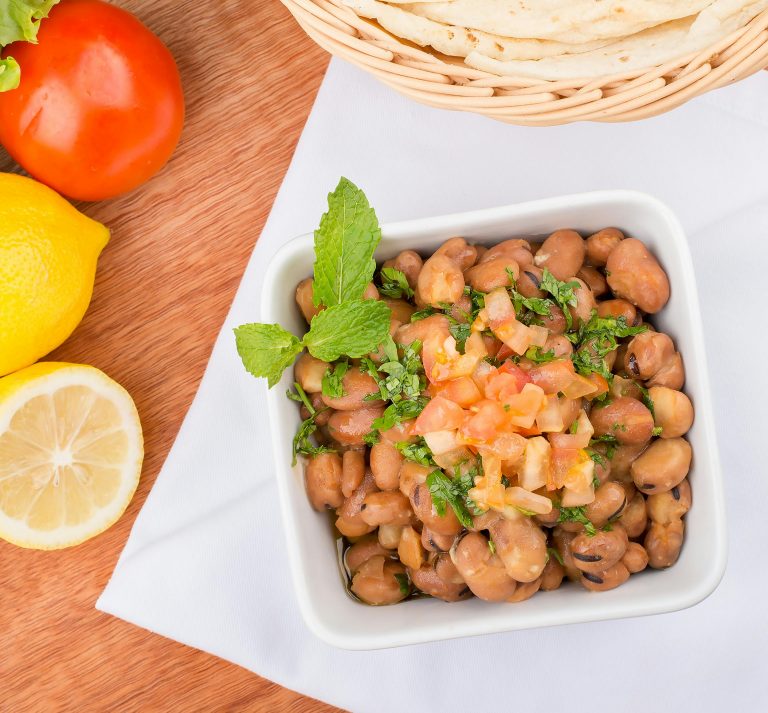
Black-Eyed Beans (Bodi ko Biraula)
Nepalese people mainly consume Bodi ko Biraula (Spicy/Fried Black-Eyed Peas) during festive periods such as Dashain and Tihar or as a tasty daily side dish with rice, flattened rice (chiura), choila and/or pickles (achar).

Chana
Chana refers to chickpeas, a highly nutritious, protein-rich legume staple. Used either whole or split (chana dal), they are commonly prepared in a spicy, tomato-onion curry known as chana masala or chole.
It an excellent vegetarian, high-fiber food.
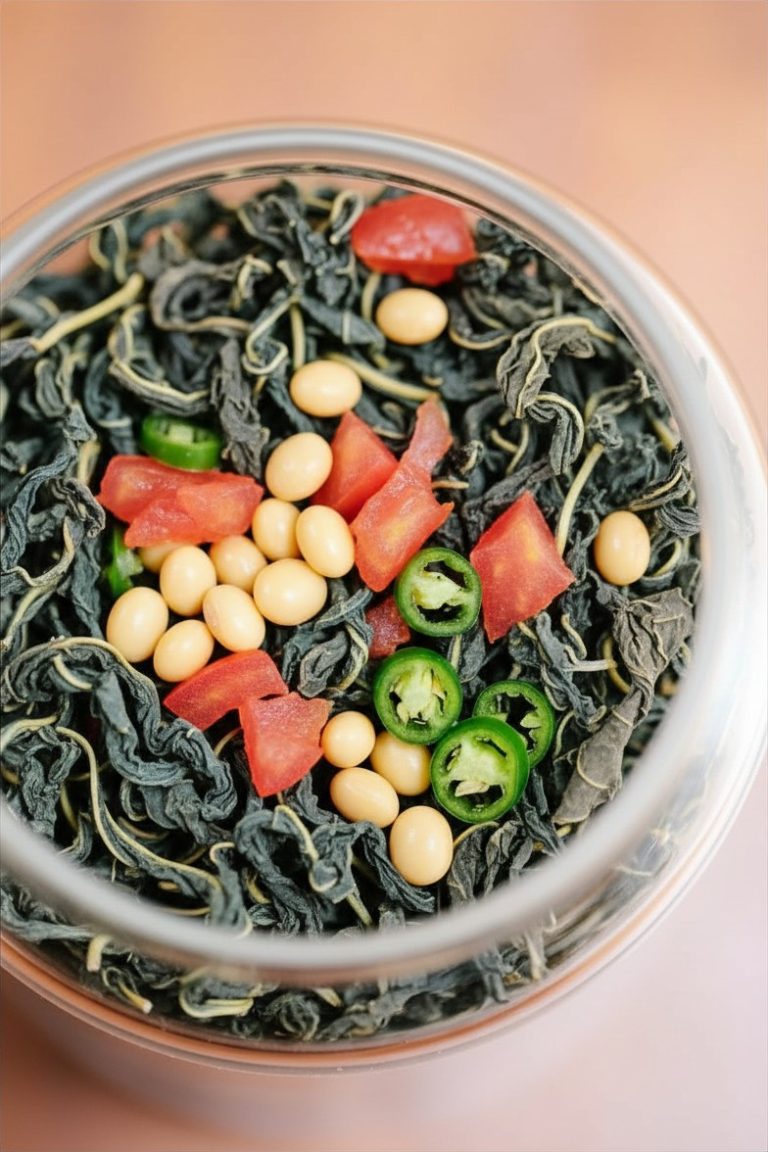
Fermented Vegetables and Soybeans (Gundruk Bhatmas Achar)
Fermented Ghundruk (made from fermented mustard, radish, or spinach leaves) and soybeans are popular traditional Nepali foods, often consumed together in a dry pickle called Ghundruk Ra Bhatmas Ko Sukkha Achar. Fermented Soybeans, known as Kinema, are also eaten as a curry or standalone pickle.
Ghundruk is rich in iron, fiber, and lactic acid bacteria, which can aid digestion and boost the immune system.
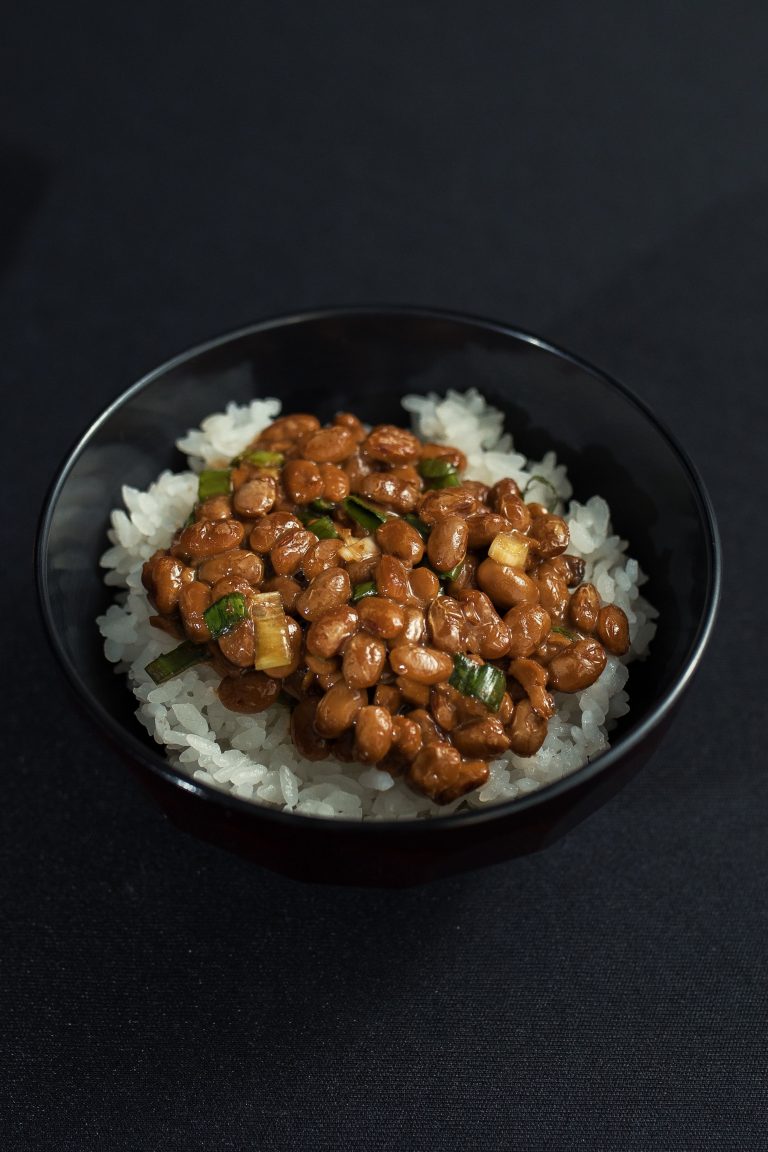
Kinema
Kinema is a traditional fermented soybean food native to the Kirat community (chiefly Limbu and Rai) of Eastern Nepal and the surrounding Himalayan regions. It is known for its sticky, slimy texture and a pungent, ammoniacal aroma often compared to Japanese natto. The name is derived from the Limbu word Kinambaa, where ‘ki’ means fermentation and ‘nambaa’ means flavor.
Kinema is considered a “functional food” and a vital protein source in rural Himalayan diets.

Lentils Pancake (Bara)
Bara, or ‘Wo’ in the Newari language, is a traditional and much-loved Newari dish from Nepal, especially popular in the Kathmandu Valley.
It’s a savory pancake made from ground lentils (typically black or yellow lentils). These popular Newari snacks are crispy on the outside, fluffy in the middle, and seasoned with ginger, garlic and cumin. They are served as a daily snack or, symbolically, as part of ‘sagun’ (good luck food) during festivals and weddings.

Masyang ko Dal (Rice Beans Dal)
Masyang ko Dal is a traditional Nepali lentil dish made from Rice Beans. It is also commonly known as Siltung in some parts of Nepal. Often considered an ideal dal for winter, as it is believed to provide warmth to the body. It is a “superfood” rich in protein, dietary fiber, vitamins, and minerals. It is considered easy to digest and is often recommended for children and the elderly.

Potatoes, Bamboo Shoots and Black-eyed Beans (Aloo Bodi Tama)
Aloo Bodi Tama is a quintessentially sour and spicy Nepali stew that combines three main ingredients: Aloo (potato), Bodi (black-eyed peas), and Tama (fermented bamboo shoots). It is a staple of Newari cuisine, where it is traditionally known as Chhon Kwa.
This dish is naturally vegan and gluten-free, making it a healthy, fiber-rich option.
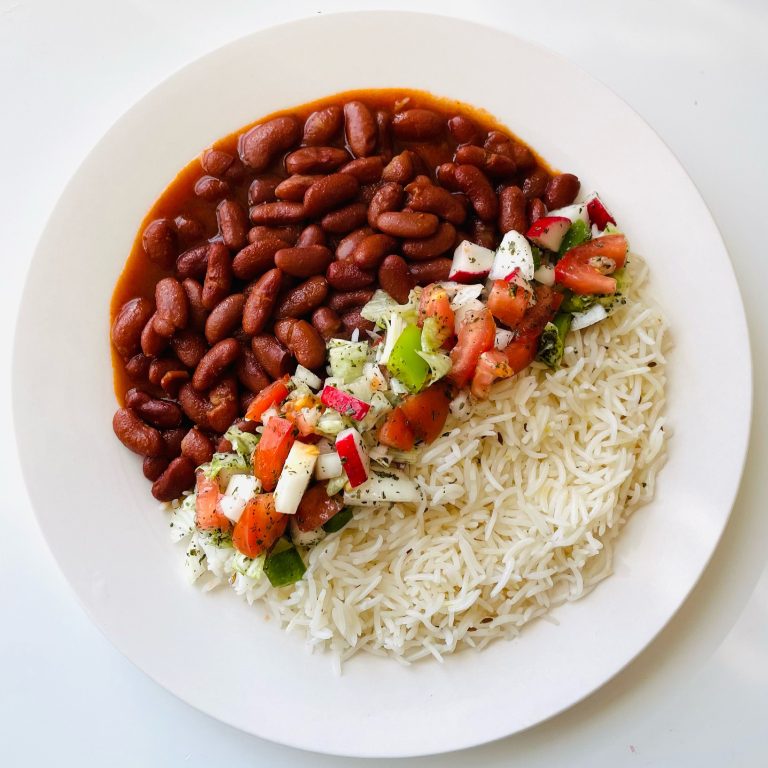
Red Kidney Beans (Rajma)
Rajma is a popular North Indian and Nepali curry made from Red Kidney Beans.
It is a powerhouse of protein, fiber, magnesium, and folate, making it excellent for bone health and heart health.
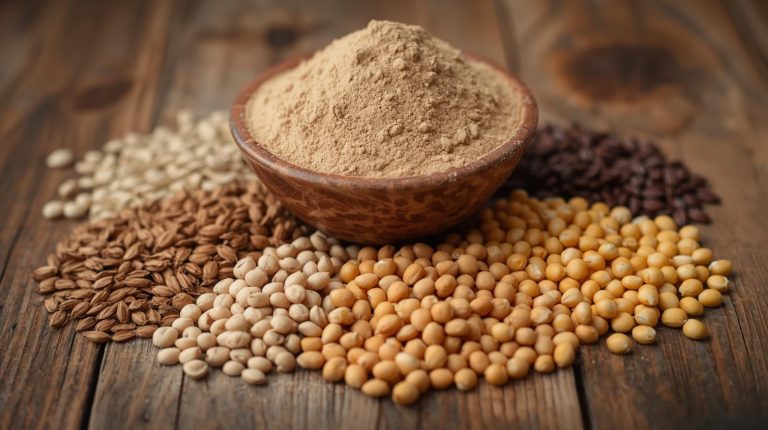
Sattu Powder with 6 Ingredients
Sattu Powder is a nutrient-dense, roasted flour staple, primarily made from black chickpeas (chana), providing high protein, fiber, and iron. While traditional sattu focuses on chana, a “6-flour” blend enhances nutritional value and flavor. It is a natural cooler, digestive aid, and versatile ingredient for drinks, parathas, and porridge.
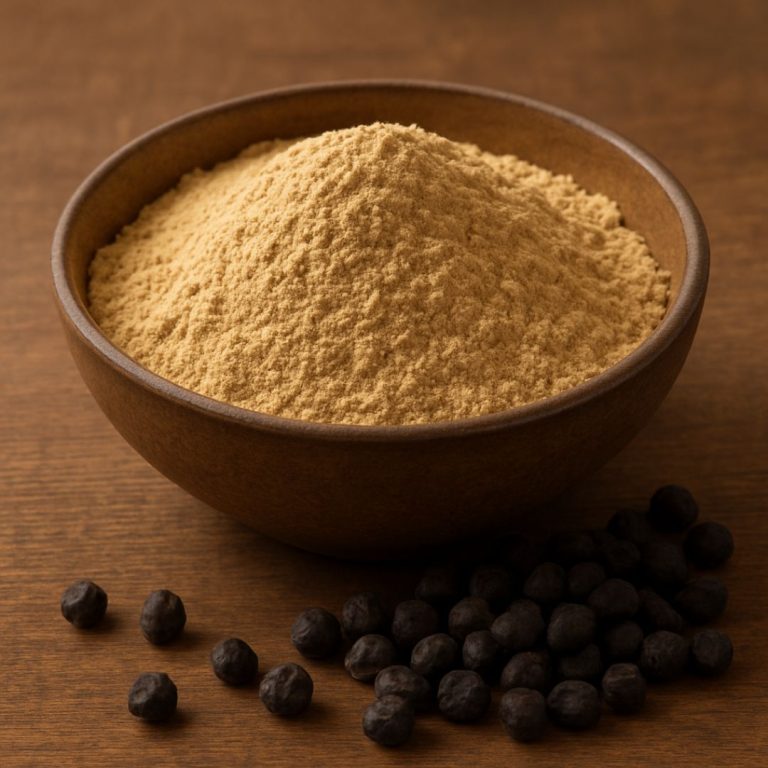
Sattu Powder with Bengal Gram (Black Chickpeas)
Sattu Powder is a nutritious, high-protein, and high-fiber “superfood” made by dry-roasting Bengal Gram (black chickpeas) and grinding them into a fine flour. Known as a traditional Indian, Nepali, and Pakistani powerhouse of energy, it acts as a natural body cooler in summer and aids in digestion and weight management.
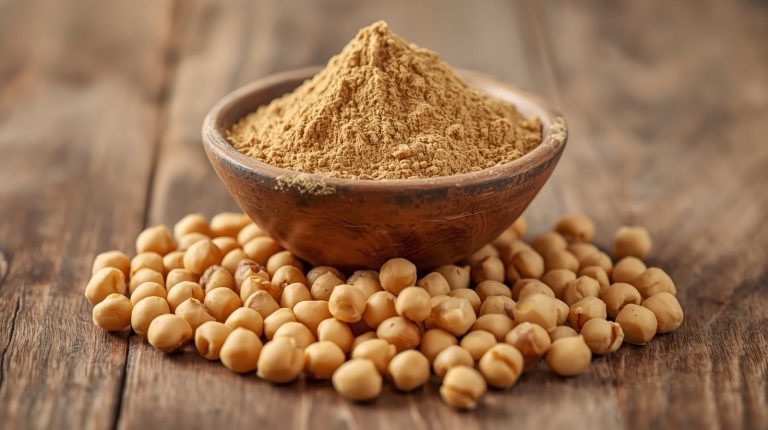
Sattu Powder with Chickpeas
Sattu Powder made from roasted chickpeas is a high-protein, fiber-rich “superfood” originating from India, often called “poor man’s protein”. It acts as an instant energy booster, aids digestion, cools the body, and is excellent for weight loss. Commonly used to make savory or sweet drinks (sharbat), it is also used in parathas, laddoos, and litti-chokh.

Sattu Powder with Spices and Dried Fruits
Sattu Powder, known as a nutritional powerhouse or “poor man’s protein,” is a roasted gram flour that can be elevated into a nutrient-dense, high-energy powder by blending it with spices, nuts, and dried fruits. This mixture is excellent for making instant energy drinks, porridge, or nutritious laddoos, especially during summers
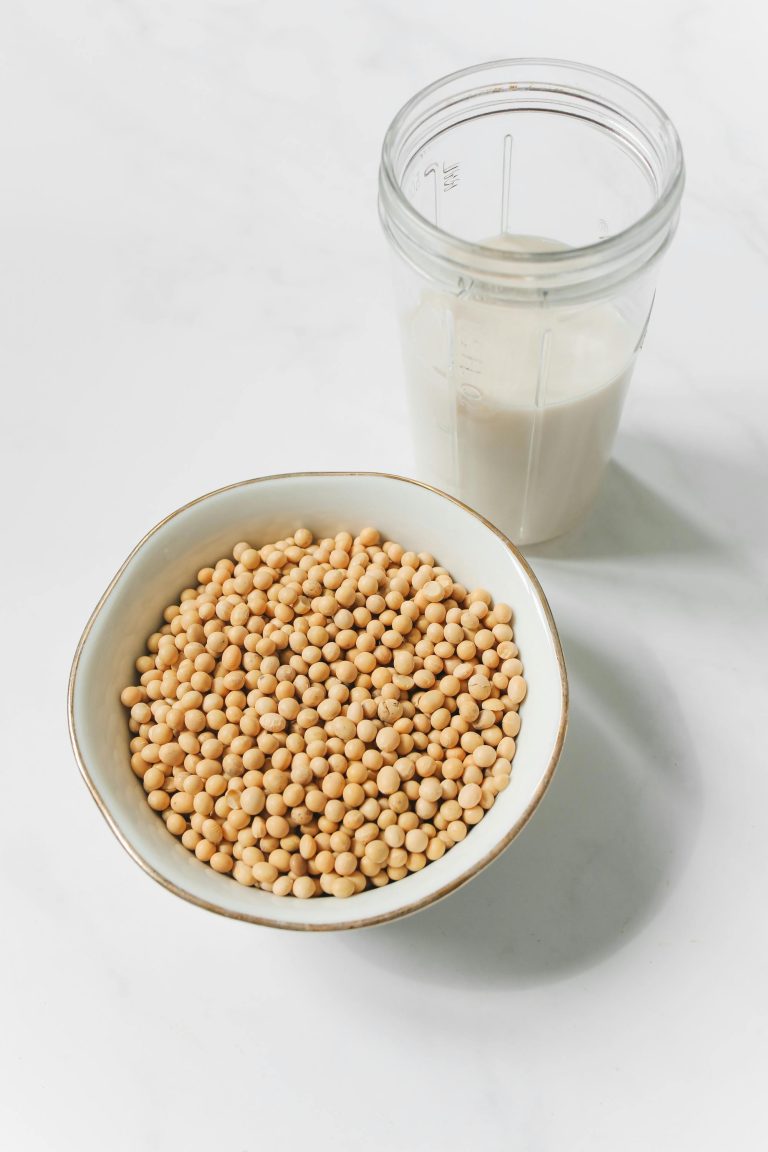
Soybean Milk
Soybean Milk (or Soy Milk) is a popular plant-based dairy alternative made from soybeans, created by soaking, grinding, and boiling soybeans with water, then straining the liquid to produce a creamy, protein-rich beverage used in place of cow’s milk

Soybeans Sadheko (Salad)
Bhatmas Sadheko is a quintessential Nepali snack and appetizer featuring crunchy roasted soybeans marinated in a bold, spicy, and tangy dressing. It is particularly popular in the Newari community.

Tomato Soybeans (Bhatmas Tomato Achar)
Bhatmas Tomato Achar is a popular, tangy, and spicy Nepali side dish (pickle/chutney) made with roasted soybeans (bhatmas), tomatoes, and traditional spices. It is a versatile condiment often served with dal bhat (rice and lentils) or roti.